


—
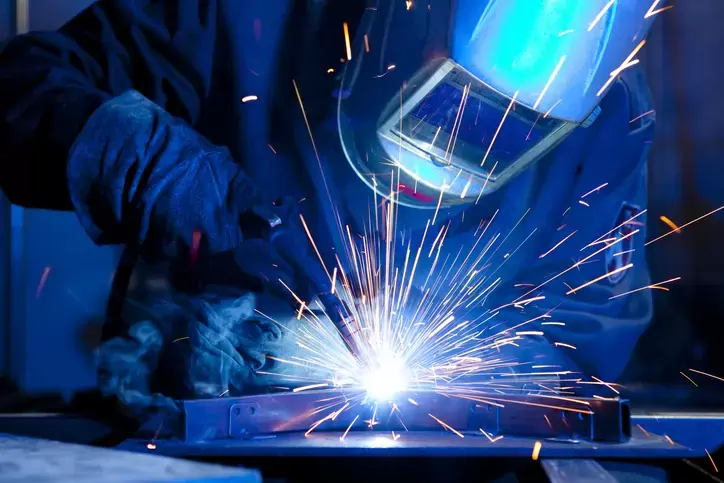
In the world of metalworking, the welding helmet — or “hood” — has changed a lot. It used to be just a heavy, dark bucket you threw over your head to keep from going blind. It was uncomfortable and heavy, making it hard to see what you were actually doing. For a long time, welders just accepted that neck pain and eye strain were part of the job.
But things are different now. Just like high-end designers have moved away from cheap plastic plants to realistic silk flowers for a better look and feel, the welding industry has upgraded its gear. Modern hoods are now designed to keep welders healthy and help them do better work. As Mike Kuehnl said, “Welding is more than just grabbing a stick and going to work. There’s a lot of science and knowledge involved.” Part of that science is wearing the right gear.
For professionals who spend all day in harsh environments, a lightweight, reliable shell is a top priority. Many workers in the field prefer the classic, streamlined designs found at https://ridgeproductswelding.com/ because they offer a balance of durability and comfort that fits into tight spaces.
Better Vision Means Better Welds
The biggest change in modern hoods is the lens. In the old days, you had a “fixed shade” lens. It was always dark. To see your workpiece, you had to lift the hood. To start welding, you had to snap your neck to lower the hood. This movement, done hundreds of times a day, caused a lot of neck pain and long-term injury.
Today, most welders use Auto-Darkening Filters (ADF). These lenses stay clear like sunglasses until you strike an arc. The moment the light hits the sensors, the lens turns dark in a fraction of a millisecond. This keeps your hands free and your neck safe.
Even better, new lenses have “True Color” technology. Older helmets made everything look bright green. This made it hard to see the difference between the melted metal and the waste (slag). New lenses let you see the actual colors of the fire and the metal. When you can see clearly, you make fewer mistakes.
After all, as Lois McMaster Bujold said, “You may fool men. You will never fool the metal.” If the weld isn’t perfect, the metal will eventually break. Clear vision ensures the weld is done right the first time.
Cutting Down the Weight
If you wear a heavy helmet for eight to ten hours a day, your neck and shoulders are going to hurt. Modern hoods are made from high-tech, lightweight materials like carbon fiber or high-impact plastics without sacrificing protection.
Designers have also changed how the “headgear” — the straps inside that touch your head — works. Instead of just one tight band that creates pressure points, new helmets use a system that spreads the weight across your whole head. Some even have a pivot point that shifts the weight to the back of your head when you lift the hood up. This stops the helmet from feeling “front-heavy” and pulling on your muscles.
Staying Cool and Breathing Easy
Welding is hot work. A standard hood can trap your breath and the heat from the torch, making it feel like a furnace inside. This can lead to fatigue and heat exhaustion. Modern helmets solve this in a few ways:
- Better Airflow: Many hoods now have vents that let hot air escape while keeping sparks out.
- Reflective Paint: You will notice many helmets are silver or white. These colors reflect heat away from your face rather than absorbing it.
- Fresh Air Systems: Some high-end setups, called PAPR (Powered Air Purifying Respirator) systems, use a battery pack to blow filtered, fresh air directly into the helmet. This keeps the welder cool and prevents them from breathing in dangerous fumes.
Protecting the Eyes from UV and IR
The light from a welding arc isn’t just bright; it contains Ultraviolet (UV) and Infrared (IR) radiation. This is the same stuff that causes sunburns, but at a much higher intensity. Modern lenses are coated to block 100% of this harmful radiation, even when the lens is in its “clear” state. This means that even if the battery in an auto-darkening lens dies, your eyes are still protected from the invisible rays that cause “arc eye” or “welder’s flash.”
Improving Productivity
When a welder is comfortable, they can work longer and more accurately. Modern hoods include features that allow for different types of work without switching gears. For example, many hoods now have a “Grind Mode.” This locks the lens in a clear state so you can use a grinding wheel to clean the metal without the lens flickering dark every time a spark flies.
There are also settings for “Sensitivity” and “Delay.” Sensitivity allows you to adjust how much light it takes to trigger the lens. This is helpful if you are working outside in bright sunlight or inside a dark shop. Delay controls how quickly the lens returns to clear after you stop welding. This protects your eyes from the bright “glow” of the hot metal immediately after the arc is gone.
The Importance of a Good Fit
A hood that doesn’t fit right is a safety hazard. If it’s too loose, it might fall off while you are under a truck or up on a ladder. If it’s too tight, it can cause headaches. Modern headgear allows for “micro-adjustments.” You can change how far the hood sits from your face (to make room for glasses or a respirator) and how high or low it sits on your head.
Conclusion
At the end of the day, a comfortable welder is a safe welder. When you aren’t fighting a headache or struggling to see through a blurry lens, you can focus entirely on the “puddle” of molten metal. High-quality gear isn’t just about luxury; it is about making sure you can do your job for a long time without hurting your body.
Modern welding hoods have turned a basic piece of safety equipment into a high-tech tool. By choosing a hood that fits well and offers a clear view, you are investing in your craft and your health. Whether you are a hobbyist in your garage or a pro on a pipeline, the right hood makes all the difference.
—

