


—
This content is for informational purposes only and is not intended to provide medical advice.
You’re pushing through long days at work, hitting the gym when you can, and trying to keep everything together at home. But there’s one thing that’s starting to slip: your sleep. Maybe you’re waking up exhausted despite being in bed for eight hours, or your partner keeps mentioning your snoring. You might brush it off as just part of getting older, but poor sleep quality is quietly undermining your health in ways you probably haven’t considered. Studies show that up to 25% of men suffer from sleep apnoea, yet most cases remain undiagnosed and untreated.
The connection between sleep and men’s health runs deeper than just feeling tired. When you’re not getting quality rest, your body can’t produce hormones properly, your mood takes a hit, and your metabolism starts working against you. For men especially, sleep deprivation affects testosterone levels, energy, mental clarity, and even long-term health outcomes. The good news? Understanding the problem is the first step toward reclaiming your vitality. The best CPAP machines in Australia have transformed lives for men dealing with sleep-related breathing disorders, helping them rediscover what it feels like to wake up genuinely refreshed.
Why Sleep Quality Matters for Men
Sleep isn’t just about rest; it’s when your body performs critical maintenance and repair work. For men, the stakes are particularly high when it comes to three key areas:
Hormonal Balance and Testosterone Production
Your body produces most of its testosterone during deep sleep, particularly during REM cycles. When sleep is fragmented or insufficient, testosterone production plummets. Research indicates that men who sleep less than five hours per night can experience testosterone levels 10-15% lower than those who get adequate rest. This hormone doesn’t just affect libido; it influences muscle mass, bone density, energy levels, and overall vitality. Chronic sleep deprivation essentially accelerates the natural decline in testosterone that comes with aging.
Mood Regulation and Mental Health
Ever notice how everything feels harder to handle after a bad night’s sleep? That’s not just in your head. Sleep deprivation directly impacts the brain’s emotional processing centers, making you more prone to irritability, anxiety, and depression. For men who are often conditioned to suppress emotional struggles, poor sleep compounds the problem by making mood regulation physiologically harder. The frustration of constant fatigue can create a cycle where stress disrupts sleep, which increases stress, perpetuating the problem.
Metabolic Health and Physical Wellbeing
Quality sleep is fundamental to metabolic function. When you’re sleep-deprived, your body becomes less sensitive to insulin, making weight management more difficult and increasing your risk of type 2 diabetes. Poor sleep also affects the hormones that regulate hunger, leading to increased appetite and cravings for high-calorie foods. Beyond weight concerns, inadequate sleep significantly elevates cardiovascular risk, contributing to high blood pressure, inflammation, and increased likelihood of heart disease and stroke.
Common Sleep Issues in Men
Understanding what’s disrupting your sleep is crucial to finding the right solution. Men face several common sleep disorders, many of which go unrecognised for years:
1. Sleep Apnea
This is the most serious and prevalent sleep disorder affecting men, particularly those over 40. Sleep apnoea occurs when your airway becomes partially or completely blocked during sleep, causing you to stop breathing repeatedly throughout the night. These interruptions can happen dozens or even hundreds of times, preventing you from reaching deep, restorative sleep stages. Symptoms include loud snoring, gasping or choking during sleep, morning headaches, excessive daytime fatigue, and difficulty concentrating. Left untreated, sleep apnoea increases risk of high blood pressure, heart disease, stroke, and diabetes.
2. Chronic Snoring
While not always a medical emergency, habitual snoring often signals airway obstruction and fragmented sleep patterns. It affects not just your sleep quality but also your partner’s, potentially straining relationships. Snoring can be a precursor to sleep apnoea or indicate other respiratory issues worth investigating.
3. Insomnia and Restless Sleep
Difficulty falling asleep, staying asleep, or waking too early affects millions of men. Causes range from stress and anxiety to poor sleep habits and underlying health conditions. Chronic insomnia creates a cascade of health problems, from weakened immunity to increased accident risk due to daytime fatigue.
4. Restless Leg Syndrome
This neurological condition causes uncomfortable sensations in the legs and an irresistible urge to move them, particularly when lying down. It can significantly delay sleep onset and cause frequent nighttime awakenings.
The common thread? All these conditions prevent your body from completing the essential sleep cycles it needs to function optimally. The longer they go untreated, the more your overall health deteriorates.
CPAP Machines: A Proven Solution
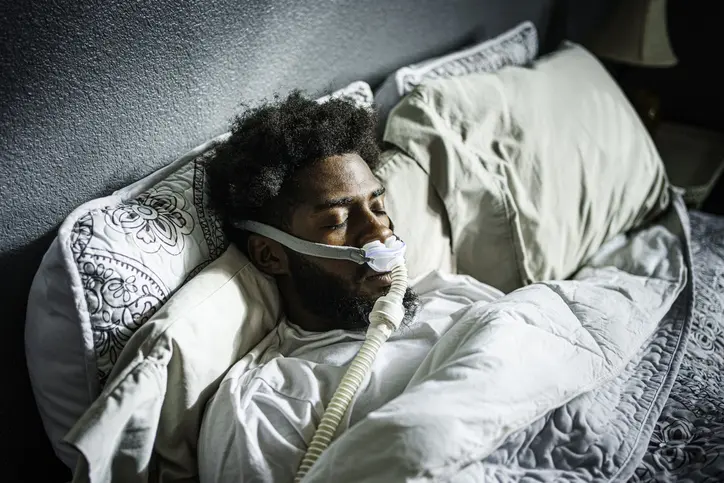
For men diagnosed with sleep apnea, CPAP (Continuous Positive Airway Pressure) therapy represents the gold standard treatment. A CPAP machine works by delivering a steady stream of pressurized air through a mask, keeping your airway open throughout the night. This prevents the breathing interruptions that characterize sleep apnoea, allowing you to achieve the deep, uninterrupted sleep your body desperately needs.
The benefits of consistent CPAP use are remarkable and often appear within days or weeks of starting therapy. Men report waking up feeling genuinely rested for the first time in years, experiencing improved focus and mental clarity throughout the day, increased energy and motivation, better mood and reduced irritability, and improved cardiovascular health markers. Studies show that proper CPAP use can reduce blood pressure, lower cardiovascular disease risk, and even improve sexual function by addressing the underlying fatigue and hormonal disruption caused by poor sleep.
The key to success with CPAP therapy is consistency. Using your machine every night, for the full duration of sleep, allows your body to heal and restore proper function. Modern CPAP machines are quieter, more comfortable, and more advanced than ever, with features like auto-adjusting pressure, humidification, and data tracking to help you and your healthcare provider optimize your treatment.
Choosing the Right CPAP Sleep Apnoea Mask
The mask is your interface with CPAP therapy, and finding the right fit is crucial for comfort and compliance. Many men abandon treatment not because it doesn’t work, but because their mask isn’t suitable for their needs. Understanding the different mask types helps you make an informed choice:
Nasal Masks
These cover your nose and are ideal if you breathe through your nose during sleep. They’re generally lighter and less intrusive than full-face options, offering a good balance of comfort and effectiveness. They work well for men who don’t have significant nasal congestion and prefer a less restrictive feel.
Full-Face Masks
Covering both nose and mouth, these masks suit mouth breathers or anyone with chronic nasal congestion. They ensure effective therapy regardless of how you breathe during sleep. While larger, modern designs have significantly improved comfort and reduced the claustrophobic feeling some men initially experience.
Nasal Pillow Masks
The most minimal option, nasal pillows sit directly at the nostrils rather than covering the nose. They’re perfect for men who feel confined by traditional masks, those who wear glasses or read before bed, and anyone who moves frequently during sleep. They offer maximum freedom of movement while maintaining therapy effectiveness.
The right mask should seal properly without being uncomfortably tight, accommodate your sleeping position (side, back, or stomach), feel comfortable enough to wear all night, and work with any facial features like beards or facial structure. Don’t hesitate to try different styles—finding the perfect fit sometimes requires experimentation. Quality CPAP sleep apnea masks come in various sizes and configurations to suit different face shapes and personal preferences.
Lifestyle Tips to Improve Sleep Quality
While CPAP addresses sleep apnoea directly, combining treatment with healthy sleep habits amplifies the benefits. These practical strategies work whether you’re using CPAP or simply trying to improve your overall sleep quality:
Establish a Consistent Sleep Schedule
Your body thrives on routine. Going to bed and waking up at the same time every day, even on weekends, strengthens your natural circadian rhythm. This consistency makes falling asleep easier and improves sleep quality over time.
Create an Optimal Sleep Environment
Your bedroom should be a sleep sanctuary. Keep the room cool (around 18-20°C is ideal for most people), invest in blackout curtains or a quality sleep mask to eliminate light, reduce noise with earplugs or white noise if needed, and reserve your bed for sleep and intimacy only, not work or entertainment.
Manage Screen Time Before Bed
The blue light emitted by phones, tablets, and computers suppresses melatonin production, making it harder to fall asleep. Establish a digital curfew at least one hour before bed. If you must use devices, enable night mode settings that reduce blue light exposure.
Watch Your Evening Intake
Avoid large meals within three hours of bedtime, limit alcohol consumption (it might help you fall asleep but significantly disrupts sleep quality), cut off caffeine by early afternoon, and stay hydrated throughout the day but reduce fluid intake close to bedtime to minimize nighttime bathroom trips.
Incorporate Regular Exercise
Physical activity improves sleep quality, but timing matters. Aim for at least 30 minutes of moderate exercise most days, but finish intense workouts at least three hours before bed. Morning or afternoon exercise often produces the best sleep benefits without causing pre-bed alertness.
Manage Stress and Wind Down Properly
Develop a relaxing pre-sleep routine that signals your body it’s time to rest. This might include reading (not on a screen), gentle stretching or meditation, a warm shower, or breathing exercises. Address daytime stress through regular exercise, time management, or speaking with a professional if anxiety is chronic.
These lifestyle modifications work synergistically with CPAP therapy for men dealing with sleep apnoea, creating comprehensive improvements in sleep quality and overall health.
Conclusion
Sleep isn’t a luxury you can afford to sacrifice, it’s the foundation of your hormones, mood, energy, and long-term health. Poor sleep quality doesn’t just make you tired; it systematically undermines your vitality in ways that compound over years.
If you’re dealing with chronic fatigue, loud snoring, or morning headaches, sleep apnoea could be the culprit. The good news? Effective solutions exist. CPAP therapy has transformed lives for countless men, helping them reclaim the restorative sleep their bodies need to function at their best.
For men in Western Australia experiencing sleep apnoea symptoms, consulting with providers like Rockingham CPAP offers practical guidance and support. With the right approach, you can rediscover what it feels like to wake up genuinely refreshed and energised.
Your health is worth the investment. Start prioritising your sleep today.
—

