


—
This content is for informational purposes only and is not intended to provide legal advice.
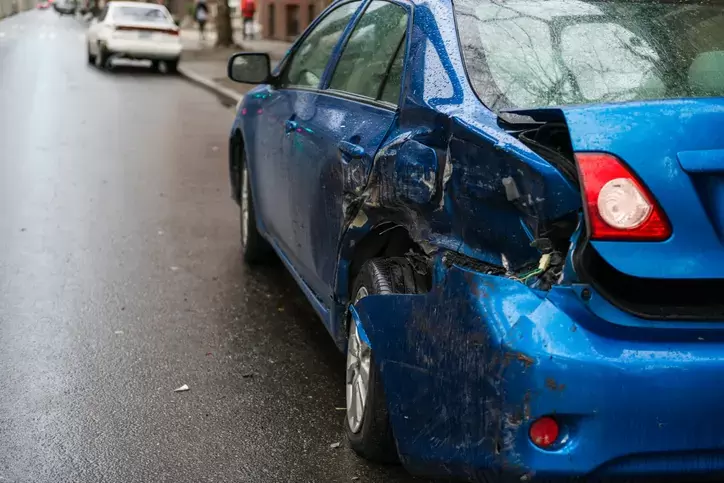
Hit-and-run accidents create complex situations for drivers seeking compensation. When the at-fault driver leaves the scene, you may be unsure how to pursue recovery through your insurance or hold the responsible party accountable. Understanding your coverage options and the role legal assistance can play helps you respond effectively and ensures you know the steps required under U.S. law.
Understanding Your Insurance Options After a Hit-and-Run
If you are involved in a hit-and-run, your first step is to review your auto insurance policy. Most policies include uninsured motorist coverage or collision coverage that may apply, depending on the circumstances. Understanding your policy’s exclusions and limits helps prevent unexpected issues, and you should also confirm whether it requires reporting the accident within a specific timeframe.
According to Philbrook Law, documenting the accident thoroughly is equally important. Collect photographs, witness statements, and police reports, as insurers rely on this evidence to support your claim. Clear and organized documentation can affect both the speed and outcome of the settlement. It also helps identify which portions of your policy apply to your situation, allowing you to submit your claim in line with your coverage limits.
Filing a Police Report and Working With Law Enforcement
Promptly filing a police report is required in many states and strengthens your insurance claim. Providing accurate information about the time, location, and description of the other vehicle increases the chances that authorities may identify the responsible driver. Make sure to obtain a copy of the report for your records, as insurers often request it during the claims process. Reporting the incident quickly can also help preserve evidence before it is lost or degraded.
Keeping in contact with law enforcement after your report is filed can also help you track any progress in locating the hit-and-run driver. Updates from the police may impact how your insurance company handles your claim or when it approves payment.
How Uninsured Motorist Coverage Works
Uninsured motorist (UM) coverage is designed to protect you when the at-fault driver cannot be identified or lacks insurance. This coverage can pay for medical expenses, lost wages, and property damage in a hit-and-run scenario. It may also cover costs that exceed your other available insurance limits, depending on your policy. Knowing the limits of your UM coverage helps you understand the maximum benefits you can claim.
The specifics of UM coverage vary by state and policy, so you should review your declarations page carefully. Some states require that you notify your insurer promptly after the accident to maintain eligibility for compensation under this provision.
The Role of Attorneys in Maximizing Your Claim
Attorneys assist by interpreting policy language and ensuring claims meet legal and procedural requirements. They can communicate with your insurance company on your behalf and present documentation that supports your entitlement to compensation. They can also identify gaps or ambiguities in coverage that might otherwise limit your recovery. Having professional guidance ensures that all deadlines and procedural requirements are properly met, reducing the risk of claim denial.
Legal assistance may also help uncover additional sources of recovery, such as claims against municipal or commercial entities if their negligence contributed to the accident. Even if the other driver remains unidentified, structured representation can improve claim outcomes and reduce disputes.
Settlements, Disputes, and Litigation Considerations
Many hit-and-run claims are resolved through settlement, but disputes over coverage or liability can arise. An attorney can evaluate settlement offers and identify whether the amount accurately reflects your damages, including medical costs, repair expenses, and lost income. They can also negotiate with insurers to ensure that all losses, including future or ongoing expenses, are considered in the settlement. Careful review of settlement terms helps prevent accepting an offer that might leave you undercompensated.
If necessary, your claim can proceed to litigation. Filing a lawsuit against the responsible party, once identified, or pursuing arbitration through your insurer may be options. Attorneys guide clients through procedural requirements and deadlines, reducing the risk of claims being denied for technical reasons.
Planning for Future Protection and Coverage
After a hit-and-run accident, reviewing your policy limits and coverage types can prevent future gaps in protection. Increasing uninsured motorist limits or adding collision coverage may be advisable based on your experience and exposure. You may also consider adjusting deductibles or adding supplemental coverage to address specific risks you face. Evaluating your policy regularly helps ensure that changes in your driving habits or vehicle use are reflected in your coverage.
Insurance providers may also offer resources for driver safety and accident reporting that streamline claims handling. Staying informed about your coverage can ensure you are prepared in case of another unexpected incident.
Taking Informed Steps After a Hit-and-Run
Being involved in a hit-and-run accident requires careful attention to your insurance policy, documentation, and legal options. Prompt reporting, understanding your coverage, and considering legal guidance can enhance your ability to recover financial losses. Knowing the procedures and potential avenues for compensation allows you to make informed decisions and handle the aftermath with clarity.
—

