


—
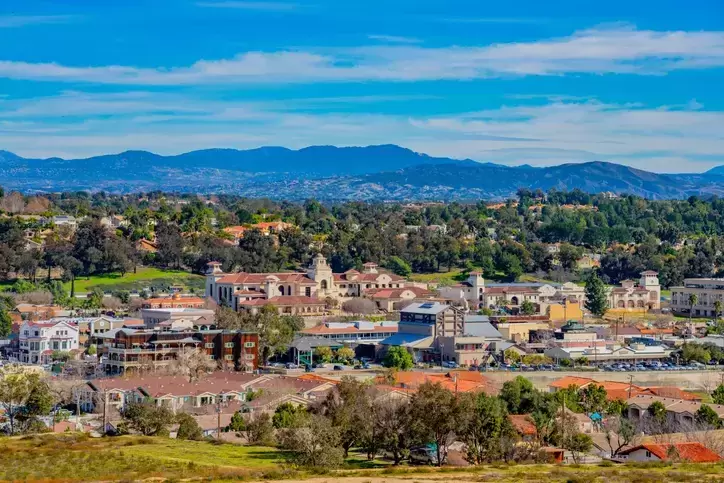
Nestled in the rolling hills of Southern California, Temecula emerges as a hidden gem, offering a unique blend of pastoral beauty and modern living. This comprehensive guide delves into the heart of what it means to call Temecula home, exploring the myriad of advantages and challenges that come with residing in this increasingly popular locale.
Known for its lush vineyards, vibrant cultural scene, and strong community spirit, Temecula presents a compelling case for those considering a move to this charming city. However, like any urban oasis, it also has its complexities.
From the cost of living to the nuances of daily life, this guide aims to provide an honest and thorough overview of the pros and cons of living in Temecula, CA, helping potential residents and curious minds alike to understand the true essence of life in this Southern California haven.
What Are the Pros and Cons of Temecula, CA
Pros of Temecula, CA
A. Serene Wine Country
Temecula, California, renowned for its serene wine country, has become a must-visit destination for wine enthusiasts and tourists alike. The region, famous for its diverse and quality wineries, offers a unique blend of old-world charm and modern flair.
Notable wineries like Doffo Winery, which combines Argentinian wine-making traditions with Temecula’s terroir, and Ponte Winery, known for its sustainable winegrowing practices, are just a few examples of the diverse offerings in the area.
The wineries in Temecula, like Baily Winery and South Coast Winery Resort & Spa, not only produce wines of remarkable character but also provide luxurious experiences that include tasting rooms, spas, and restaurants.
With over 40 distinct wineries, each offering a unique experience, the Temecula wine country has become a prominent feature in California’s viticulture scene.
Beyond the picturesque vineyards and the array of wines, Temecula’s wine country is undergoing significant development to enhance its infrastructure and capacity. In 2022, Riverside County announced plans for more than $20 million in infrastructure improvements in the wine country area, aiming to spur millions more in private development.
These improvements include sewer projects totaling $19 million and other enhancements like roundabouts and trail networks. This investment reflects the county’s commitment to developing the local economy and transforming Temecula’s wine country into a premier, world-class destination.
B. Family-Friendly Atmosphere
Temecula, CA, is celebrated for its family-friendly atmosphere, offering an array of activities and destinations that cater to all ages. The city boasts several parks, such as the Margarita Community Park, which includes a dog park, baseball fields, a football/soccer field, tennis courts, and a roller hockey rink, along with the inclusive Eagle Soar Playground and Splash Pad.
For those seeking cultural enrichment, the Ronald H. Roberts Temecula Public Library hosts special events for children and families, featuring a dedicated Kids’ Library with interactive spaces and a variety of resources.
Outdoor enthusiasts can enjoy spaces like the Temecula Duck Pond and Veterans Memorial, Kent Hintergardt Memorial Park, and Patricia H. Birdsall Sports Park, which provide ample opportunities for picnics, sports, and relaxation. Moreover, creative outlets such as the Painted Earth Pottery and Art Studio offer a chance for families to engage in artistic activities together.
C. Booming Local Economy
Temecula’s local economy is characterized by a dynamic and growing business environment. The city has a median household income of $143,718, indicating a relatively high-earning population.
This prosperity is reflected in the vibrant community and the city’s continuous pursuit of growth and development. Temecula’s strategic location, near populous counties like San Diego, Orange, and Los Angeles, makes it an attractive place for commercial activities, particularly in manufacturing commerce.
It’s also noteworthy that Temecula is rated as one of the top 20 least expensive cities to do business in California, according to the Kosmont-Rose Institute. The city’s economy benefits significantly from tourism, especially from its status as the heart of Southern California’s Wine Country. In 2019, travel and tourism in the Temecula Valley injected more than $1 billion into the local economy and supported over 9,000 jobs, highlighting the substantial economic contribution of this sector.
Cons of Temecula, CA
A. Cost of Living
Temecula’s local economy is characterized by a dynamic and growing business environment. The city has a median household income of $143,718, indicating a relatively high-earning population. This prosperity is reflected in the vibrant community and the city’s continuous pursuit of growth and development. Temecula’s strategic location, near populous counties like San Diego, Orange, and Los Angeles, makes it an attractive place for commercial activities, particularly in manufacturing commerce.
It’s also noteworthy that Temecula is rated as one of the top 20 least expensive cities to do business in California, according to the Kosmont-Rose Institute. The city’s economy benefits significantly from tourism, especially from its status as the heart of Southern California’s Wine Country.
In 2019, travel and tourism in the Temecula Valley injected more than $1 billion into the local economy and supported over 9,000 jobs, highlighting the substantial economic contribution of this sector.
B. Traffic and Commutation
Traffic and commutation in Temecula, CA, are significant aspects to consider for residents and commuters. While specific data on traffic patterns and congestion levels is not detailed in the sources, it is understood that, like many growing cities, Temecula experiences its share of traffic challenges.
The city’s location in Southern California, known for its busy roads and highways, suggests that Temecula is no exception to traffic issues, especially during peak hours.
Navigating through Temecula, CA, is generally easy, thanks to a well-planned infrastructure that includes major highways and local roads catering to both the city’s growing population and daily traffic. While commuters traveling to and from nearby cities, along with local traffic, do contribute to the regular movement on these roads, the city’s layout is adept at handling these flows.
However, like any expanding urban area, there can be moments of congestion, particularly during peak travel times and on key roadways. If you’re considering relocating within Temecula, rest assured that movers in Temecula, CA, are experienced and well-equipped to facilitate a smooth transition, navigating the city’s roads efficiently and ensuring your move is hassle-free.
C. Weather Extremes
Weather extremes in Temecula, CA, reflect the broader impacts of climate change, with significant effects on local conditions. Temecula faces a growing risk of drought, with water stress being a key concern. This risk is influenced by both the source of water supplies and the strategies implemented to adapt to changing climatic conditions. Property owners are advised to take steps to mitigate their drought risks.
Additionally, the risk of wildfires in Temecula is notably high, especially on the most dangerous fire weather days, which are expected to increase through 2050. A large proportion of buildings in Temecula are at significant risk of fire damage, and the city’s proximity to vegetation contributes to this risk. Climate change exacerbates wildfire risks by creating hotter and drier conditions conducive to the spread of fires.
Temecula also experiences extreme heat, with the number of hottest days projected to rise. In the past, residents typically experienced about 7 days annually with temperatures above 102.8°F, but by 2050, this is expected to increase to an average of 32 days per year. This rise in frequency and intensity of heat waves poses significant health risks, particularly in areas with cooler average temperatures.
The Verdict: Is Temecula the Right Place for You?
A. Assessing Your Priorities
In Temecula, CA, the focus on assessing and prioritizing community needs is evident in the city’s strategic planning, particularly through the Quality of Life Master Plan (QLMP). Adopted by the City Council in November 2022, the QLMP is a living document that reflects the vision and long-term goals of Temecula. It serves as a roadmap for the city, identifying specific community needs, goals, and potential improvements.
The plan is crucial for maintaining and enhancing the quality of life in Temecula as the city continues to grow and evolve. It guides planning and investment decisions, ensuring vision and continuity for the city’s future development.
B. Weighing the Financial Implications
Weighing the financial implications of living or doing business in Temecula, CA, involves considering various economic factors and reports. The city’s Annual Comprehensive Financial Report (ACFR) is a key resource for evaluating Temecula’s financial condition.
This report includes a comprehensive summary of the city’s finances and other relevant information for the audit year, such as economic overviews, financial analyses, and statistical data.
C. Embracing the Lifestyle
Embracing the lifestyle in Temecula, CA, is about enjoying the unique blend of urban amenities and rural charm that the city offers. Temecula is known for its laid-back pace of life, where community and tradition play a significant role.
Residents and visitors alike are drawn to the city’s vibrant community, rich history, and picturesque setting amidst rolling hills and vineyards. Local coffee shops like Bean Coffee Roasters, with their freshly roasted brews and homemade pastries, are popular spots for starting the day.
—

