


—
Survival kits stand as indispensable resources for individuals aiming to prepare for unforeseen situations or emergencies. Regardless of whether you’re an outdoor enthusiast, a frequent traveler, or simply someone keen on being ready for unexpected circumstances, crafting a well-equipped survival kit is a prudent decision.
Comprehending the Purpose
Before assembling a survival kit, a fundamental understanding of its primary purpose is crucial. The core aim of a survival kit is to furnish essential tools and supplies necessary for sustaining oneself during emergency situations. This includes natural disasters, accidents, or scenarios where conventional resources are inaccessible. The objective is to achieve self-sufficiency, addressing basic needs until external assistance arrives or normal conditions are restored. Websites like PreparedBee.com make it easy to get all the supplies in one place.
Foundational Components
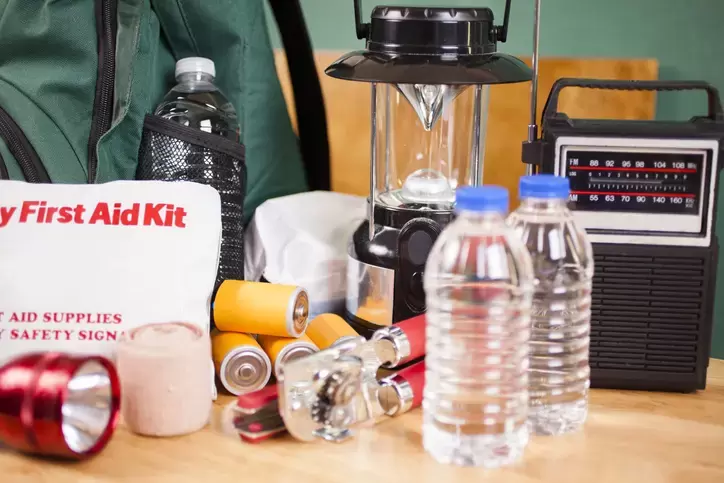
A well-constructed survival kit encompasses fundamental components designed to meet various needs. These typically encompass water and water purification methods, non-perishable food items, a first aid kit, a multi-tool, a flashlight with extra batteries, a communication device (such as a whistle), and a fire-starting tool. These items lay the groundwork for the kit, ensuring the ability to address immediate concerns like hydration, nutrition, basic medical requirements, illumination, and signaling.
Tailor to Location and Climate
Tailor your survival kit based on your geographical location and the prevailing climate. Individuals in colder climates might require additional items such as thermal blankets, hand warmers, and extra layers of clothing. Conversely, those in warmer climates might prioritize items like sunscreen, insect repellent, and lightweight clothing. Customizing your kit to the specific challenges of your environment enhances its overall efficacy.
Essentials for the First Aid Kit
An indispensable component of any survival kit is a comprehensive first aid kit. It should encompass bandages, antiseptic wipes, pain relievers, adhesive tape, scissors, tweezers, and any necessary prescription medications. Personalize the first aid kit based on individual health needs and potential risks in the environment.
Shelter and Apparel
Incorporate items that provide shelter and protect against the elements. A compact emergency shelter, such as a Mylar space blanket or a lightweight tent, can prove invaluable. Additionally, pack extra clothing suitable for the climate, including a hat, gloves, and sturdy footwear. If space allows, consider a durable tarp for additional shelter options.
Tools and Multi-Purpose Items
A multi-tool serves as a versatile inclusion in any survival kit, offering various functions in a compact form. Other useful tools may include a knife, duct tape, and a small shovel. These items can be invaluable for improvisation and problem-solving in challenging situations.
Water and Purification
Water, being essential for survival, necessitates inclusion in your kit along with a reliable water purification method. Incorporate a portable water filter, water purification tablets, or a small water purification device to ensure a safe and sufficient water supply.
Rationed Food
Include non-perishable, energy-dense food items such as energy bars, trail mixes, or freeze-dried meals. Opt for foods with a prolonged shelf life and minimal preparation requirements. Periodically rotate these items to ensure freshness.
Navigation and Communication
A compass, map, and a communication device are crucial for navigating unfamiliar terrain and seeking help. Integrate a whistle for signaling and consider a portable emergency radio to stay informed about weather conditions and emergency broadcasts.
Regular Maintenance and Review
Survival kits are not one-size-fits-all and require regular review and updates. Check expiration dates on food and medication, replace batteries in flashlights, and ensure all components are in good condition. Periodically reassess the kit’s contents based on changes in the environment or personal needs.
A meticulously prepared survival kit serves as a valuable asset for individuals seeking preparedness for unforeseen situations. By comprehending the purpose, including essential components, customizing based on location and climate, prioritizing first aid, including shelter and clothing, packing versatile tools, ensuring water and purification, including food rations, prioritizing navigation and communication, and regularly maintaining and reviewing the kit, individuals can confront unexpected challenges with a sense of preparedness and resilience.
—

