


—
The way Americans eat is changing. Not because people care less about food, but because the landscape around it has shifted. Prices are higher, choices feel more deliberate, and the tools people use to navigate their food lives have expanded.
Through all of it, one thing stays consistent: food remains one of the most personal and communal parts of everyday life. This article explores how people are adapting without losing what makes dining meaningful in the first place.
Food Culture Has Always Been About Connection: Casual Dining Continues to Thrive
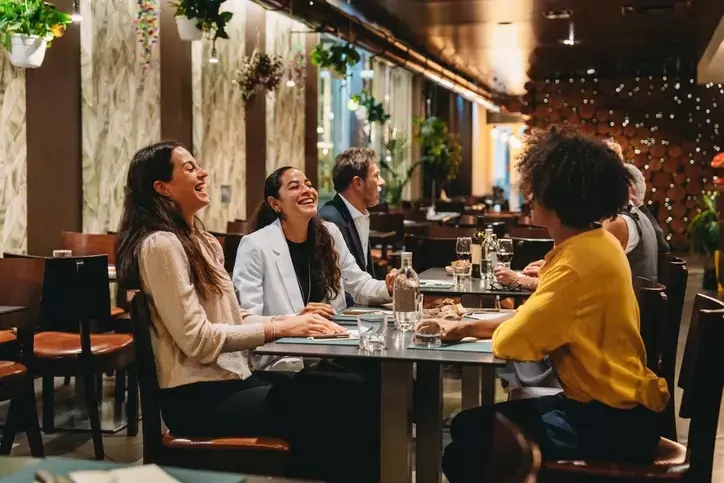
Food is woven into how people live. It marks the end of a workday, fills the space between catching up with friends, and gives neighborhoods a shared rhythm. That hasn’t changed, even as financial pressures have made people more selective about where and how they spend.
What has shifted is the kind of dining experience people gravitate toward. High-end and elaborate are taking a back seat. Casual, comfortable, and consistent are winning. People want familiar menus, relaxed atmospheres, and places that feel like they actually belong in the neighborhood.
Comfort food is having a moment because it delivers on all three things people are prioritizing right now: atmosphere, affordability, and consistency. Staying connected to food culture doesn’t require spending more. It requires finding the right places. And across the U.S., casual dining continues to fill that role quietly and reliably.
Rising Costs Are Changing How People Eat Out
Inflation has touched almost every part of daily life, and dining out is no exception. Menu prices are higher, portions feel smaller in some places, and the casual “let’s just go out tonight” decision has become a more considered one for a lot of households.
That doesn’t mean people have stopped eating out. It means they’ve gotten more intentional about it. Fewer outings, but ones that feel more deliberate and worthwhile. People are weighing quality against cost more carefully than before, looking for spots that genuinely deliver value rather than just convenience.
Dining has shifted from something spontaneous to something planned. And in that planning, people are becoming clearer about what they actually want from the experience.
Understanding the Basics of Food Assistance in the U.S.
Food assistance programs have become a real part of how many American households manage their food budgets. EBT, or Electronic Benefits Transfer, is one of the most widely used tools in that space. It works similarly to a debit card, allowing recipients to purchase food at approved retailers using benefits loaded onto the card each month.
For people who are new to it or simply curious, questions like how does EBT work are a natural starting point. Understanding the basics helps people make the most of what’s available to them without having to navigate confusing policy language.
EBT works like a prepaid card, loaded monthly with benefits that can be used at participating stores and, increasingly, at certain food establishments. It’s a practical tool and understanding it is part of getting how a significant portion of Americans navigate their food lives today.
Where People Turn for Reliable Food Insights Today
How people access information about food has changed just as much as how they access food itself. When dining decisions involve more thought than they used to, having reliable sources to turn to makes a real difference.
People want to know where to eat, what’s worth the price, and how to stay connected to food culture without feeling left behind by trends or priced out of experiences.
Online platforms have stepped into that space in a meaningful way. From food trend coverage to honest restaurant recommendations and practical dining advice, the best food content helps readers make better decisions, not just more aspirational ones.
That’s where platforms like Varga Bar come in. Built around food news and culinary insights, Varga Bar covers the kind of content that actually helps people engage with food culture in a real way. From emerging dining trends to in-depth chef interviews and practical guides for home cooks and foodies alike, it serves as a resource for anyone who wants to stay informed about the American food landscape.
Good food content should close the gap between inspiration and access. Varga Bar approaches that with a focus on quality, relevance, and the kind of insights that make food feel approachable for everyone.
Enjoying Food Experiences Without Overspending
Some of the best food experiences don’t come with a high price tag. Casual dining, local staples, and value-driven menus have always delivered, and right now they’redelivering for more people than ever.
The key is combining inspiration with practical thinking. Following food platforms that highlight accessible options, checking menus ahead of time, and leaning into neighborhood spots over destination restaurants all help. It’s less about finding cheaper food and more about making smarter choices with what you have. Good meals are still very much within reach for people who know where to look.
Going Ahead: Food Should Be Both Inspiring and Accessible
Food culture is richer when it includes everyone. The best dining experiences aren’t reserved for people with unlimited budgets. They belong to anyone who cares about good food and genuine connection.
Trusted content, practical knowledge, and tools like understanding how EBT works all play a role in making that possible. Whether someone is following the latest culinary trends or simply figuring out how to make their food budget stretch further, the goal is the same: keeping food a meaningful, accessible part of everyday life.
—

