


—
Let’s face it: choosing the perfect heater can feel overwhelming. With so many options out there, it’s easy to get lost in the details. But don’t worry—we’re here to help. Whether you’re eyeing propane heaters for your cozy cabin or just want to know what’s out there, this guide has got you covered. By the end of this article, you’ll know exactly which heater fits your home and lifestyle. Ready to dive in? Let’s go.
The Most Common Types of Heaters You Can Find
When it comes to heaters, variety is the name of the game. Let’s break it down.
Electric Heaters
Electric heaters are some of the most versatile options available. They’re easy to use, affordable, and don’t require a complex setup.
1. Fan Heaters
Imagine this: You step out of bed on a chilly morning, and your room feels like an icebox. A fan heater can warm it up in minutes. These compact devices use an electric fan to blow air over a heating element. The result? Quick, focused heat. Perfect for small spaces or when you need a fast warm-up.
The downside? They can be a bit noisy and might not be the best for long-term heating. But for a quick fix? They’re fantastic.
2. Radiant Heaters
Need something that warms you up directly? Think radiant heaters. These beauties use infrared technology to heat objects and people, not the air. It’s like basking in the sun—minus the sunburn.
They’re silent and energy-efficient for targeted heating. Great for a chilly office or outdoor patio. But keep in mind: they’re not ideal for heating an entire room.
3. Convection Heaters
Ever noticed how a pot of soup warms evenly on the stove? That’s the idea behind convection heaters. They circulate warm air throughout the room, creating consistent, even heat.
These heaters are ideal for bedrooms or living spaces where you want quiet, sustained warmth. Just be patient—it can take a little time to feel the effects.
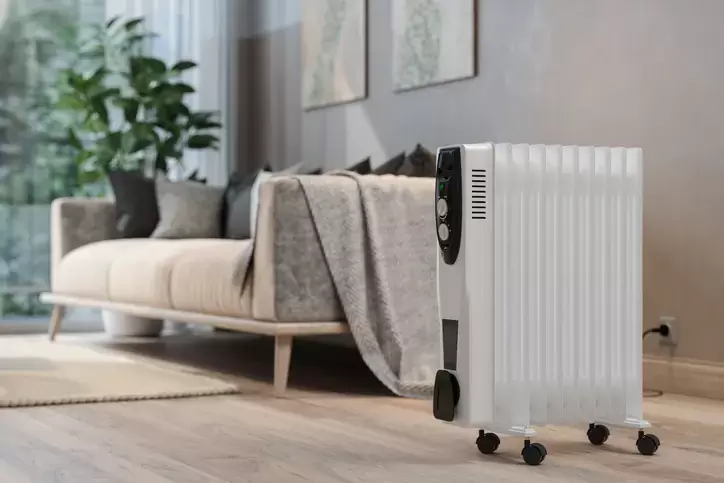
4. Oil-Filled Radiators
Oil-filled radiators are like the trusty workhorses of the heater world. They take a while to heat up, but once they do? The warmth lasts for hours.
These heaters are silent, safe, and great for overnight use. Bonus: they don’t dry out the air like some other options. Perfect for those cold winter nights when you just want to snuggle up and relax.
5. Panel Heaters
Looking for something sleek and modern? Panel heaters might be your go-to. These slim devices can be mounted on walls or placed on the floor, making them versatile and space-saving.
While they’re not as powerful as other electric heaters, they’re perfect for small, well-insulated rooms. Plus, they look great—a stylish touch to your home’s décor.
Gas Heaters
Gas heaters are powerful, efficient, and perfect for larger spaces. But they come with a few considerations. Let’s explore.
1. Gas Flued Heaters
Gas flued heaters are a solid choice if you’re after reliable, long-lasting warmth. They use a flue (a fancy term for a vent) to expel gases outside, making them a safe indoor option.
These heaters are perfect for larger living areas. The trade-off? Installation costs can be higher, and you’ll need to connect to a gas line.
2. Unflued (Portable) Gas Heaters
Unflued gas heaters are the ultimate in portability. No vents, no fuss. Just plug them in (to the gas supply) and enjoy.
However, they’re best used in well-ventilated spaces due to the release of combustion byproducts. Think garages or workshops rather than bedrooms.
3. Wall-Mounted Gas Heaters
If space is at a premium, wall-mounted gas heaters are a great option. These units are compact, efficient, and perfect for heating small to medium-sized rooms.
They’re often used as a permanent fixture, making them a reliable addition to your home’s heating system. Just remember: professional installation is usually required.
4. Gas Log Fires
Want the charm of a fireplace without the hassle of wood? Gas log fires deliver that cozy, flickering glow. They look like a traditional fireplace but run on gas—no ash, no mess.
These heaters are ideal for creating ambiance while keeping you warm. They’re more about style than function, though, so don’t rely on them to heat a large area.
Other Heating Options
Looking for something a little different? Here are some other popular options to consider.
Reverse Cycle Air Conditioning
Think of reverse cycle air conditioning as the Swiss Army knife of heating and cooling. It’s an all-in-one solution that works year-round.
While these systems can be pricey to install, they’re energy-efficient and perfect for heating larger homes. The best part? You’ll stay cool in summer, too.
Wood Heaters
Nothing beats the crackle of a wood heater on a cold winter’s night. These traditional heaters are perfect for creating a warm, rustic vibe.
But there’s a catch. You’ll need a steady supply of wood and a bit of effort to keep them going. If you’re up for the work, they’re a charming and effective option.
Hydronic Heaters
Hydronic heaters use water to distribute heat throughout your home. They’re silent, energy-efficient, and provide a consistent warmth that feels luxurious.
These systems are often used in radiant floor heating. The downside? They’re expensive to install. But if comfort is your priority, they’re worth considering.
Factors to Consider When Choosing a Heater
Choosing a heater isn’t just about the type. There are other factors to think about.
1. Room Size
Size matters—especially when it comes to heaters. A small heater in a large room will struggle to keep you warm. On the flip side, a powerful heater in a tiny space can feel overwhelming.
Measure your space and choose a heater with the appropriate wattage or BTU rating. It’s a simple step that can make all the difference.
2. Energy Efficiency
Nobody likes a hefty energy bill. That’s why energy efficiency is so important. Look for heaters with high energy ratings or features like programmable timers and thermostats.
Electric heaters are usually more efficient for small spaces, while gas heaters excel in larger areas. Pick what suits your needs and budget.
3. Installation Requirements
Some heaters are plug-and-play, while others require professional installation. Gas heaters, for example, often need a connection to a gas line.
Think about your home’s setup and whether you’re ready to handle the extra costs and effort of installation.
4. Safety Features
Safety first! Especially if you have kids or pets. Look for heaters with features like automatic shut-off, cool-to-touch surfaces, and tip-over protection.
And don’t forget to follow the manufacturer’s guidelines. A little caution goes a long way.
Well, Which One Is Right for Your Needs?
Still unsure? Let’s recap. Electric heaters are versatile and great for smaller spaces. Gas heaters are powerful and efficient for larger areas. Reverse cycle air conditioning offers year-round comfort, while wood and hydronic heaters bring something special to the table.
Think about your needs, your space, and your budget. There’s no one-size-fits-all answer. The good news? With so many options, you’re bound to find the perfect fit.
Find Your Perfect Heater Today
Heating your home doesn’t have to be complicated. With the right information, you can make a choice that keeps you warm and happy all winter long. So go ahead, explore your options, and make the decision that’s right for you. After all, you deserve a home that’s as cozy as it is stylish.
—

