


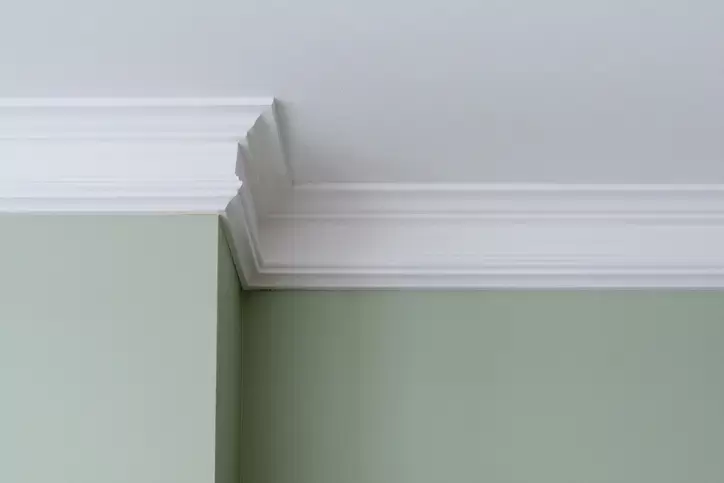
When it comes to adding character and style to your home, the choice between Victorian coving and modern moulding can be crucial. Both offer unique aesthetic appeals and can significantly influence the overall look of your interiors. To make the best decision for your home, it’s essential to understand the differences between these two styles and how they align with your design vision.
Victorian Coving: Elegance and Tradition
Victorian coving is synonymous with elegance and tradition. Originating in the 19th century, this style of coving is characterized by its intricate designs, ornate patterns, and curvaceous lines. Typically found in period homes, Victorian coving adds a sense of grandeur and historical charm. It often features floral motifs, egg-and-dart patterns, and intricate detailing that reflects the opulence of the Victorian era.
If your home has a traditional or classical aesthetic, Victorian coving can enhance its character. It’s particularly well-suited for high ceilings and rooms that demand a touch of sophistication. The ornate designs can serve as a focal point, drawing attention to the architecture of the space. Additionally, Victorian coving is often painted in white or cream tones to highlight its details, adding depth and dimension to your rooms.
Modern Moulding: Sleek and Minimalist
In contrast, modern moulding embraces sleek lines, minimalistic designs, and a contemporary aesthetic. This style of moulding is often simpler, with clean edges and geometric shapes that complement modern interiors. The focus is on creating a seamless transition between walls and ceilings, often with a more understated and functional approach.
Modern moulding like Gaudi Coving is ideal for homes with a contemporary or minimalist design. It can create a sense of continuity and flow throughout your space, enhancing the modernity of your interiors. Unlike Victorian coving, which commands attention, modern moulding tends to blend into the background, contributing to a cohesive and streamlined look. It’s versatile and can be paired with various color schemes, materials, and furnishings, making it a popular choice for modern homes.
Which Is Right for Your Home?
The decision between Victorian coving and modern moulding ultimately depends on your home’s style and your personal preferences. If you’re drawn to the elegance of traditional designs and want to infuse your home with a sense of history and grandeur, Victorian coving is the way to go. It’s perfect for period properties or homes where you want to preserve or recreate a classic look.
On the other hand, if your home embodies a more contemporary vibe, with an emphasis on simplicity and clean lines, modern moulding will likely be a better fit. It offers a subtle yet effective way to enhance your interiors without overwhelming the space.
Final Thoughts
Both Victorian coving and modern moulding have their merits, and your choice should reflect the overall style and atmosphere you wish to create in your home. Whether you opt for the ornate detailing of Victorian coving or the sleek simplicity of modern moulding, both can add a unique and defining touch to your interiors. Consider the architectural features of your home, your design preferences, and how each style will complement your existing decor before making your decision.
–
This post brought to you by Nigel Bird
photo: iStock

