


—
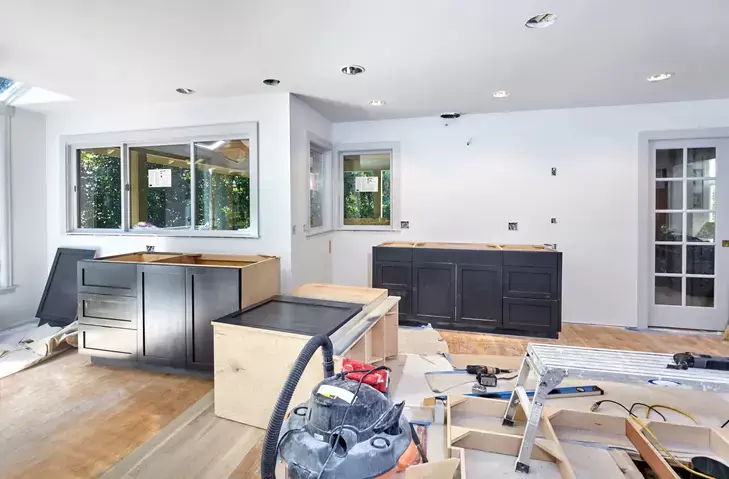
Embarking on home improvements can be an exciting endeavor, but before diving into renovations or upgrades, it’s crucial to consider several key factors. It is no small industry, Americans spent $457 billion dollars on home improvements alone in 2020.
These considerations can make a significant difference in the success, cost-effectiveness, and overall impact of the home improvement project. Here are three essential points to contemplate before starting home improvements.
Avoid Over-Capitalising
An important point when carrying out home improvements is to avoid overspending and considering the return on investment.
There are some things which are very easy to overspend on, such as new bathrooms, kitchens, dens and gyms – but if you spend too much kitting them out, you risk making a good return on investment.
For example, if all the homes in your street are worth $500,000, it does not make sense to spend $300,000 on home upgrades if the value of the house will not increase as significantly.
There could be an important conversation over whether the renovations are important to maximize your living space and quality of life – and to look at the long term personal benefits over a quick investment.
But seeing how much you spend, relative to the value of the property and its potential price is important.
Scope and Planning
There are some home improvements that do not require any formal planning permission from your local council and this includes anything internal that does not affect the outside or impact your neighbors. This includes any painting or decorating, new floors, new roof tiles, new central heating system, security cameras, air conditioning, new driveway or even adding a conservatory which can be without planning if it is up to a certain size.
Other improvements will require planning permission and often the help of professional architects and builders, including home extensions, loft conversions and swimming pools.
You will have to weigh up whether your renovations require professionals or if they are DIY jobs that you can do yourself. You will need to consider costs and timings of using professionals over completing the jobs yourself and whether this ties in with your goals, especially if you and your family have to move out whilst the renovations are taking place.
How You Finance Renovations
A lot of homeowners are able to finance their improvements through their savings, whether it is $10,000 for a new bathroom or $30,000 for a new kitchen. But otherwise, it is very common to use loans or types of finance to help you manage the costs.
A typical home improvement loan is unsecured, so you can borrow up to $100,000 without using your home as collateral. This option exists too, but if you fall behind on payments, it could be putting your property at risk of foreclosure.
Other options for larger and more ambitious renovations could involve using development finance, bridging loans or refurbishment loans which are usually secured against your property and allow you to pay for your home improvements over 1 to 2 years. This can be useful if you are spending several hundreds of thousands on upgrading the property and want to borrow the money quickly, with a view to either refinance at the end of the loan term or perhaps sell on the property for a profit.
—

