


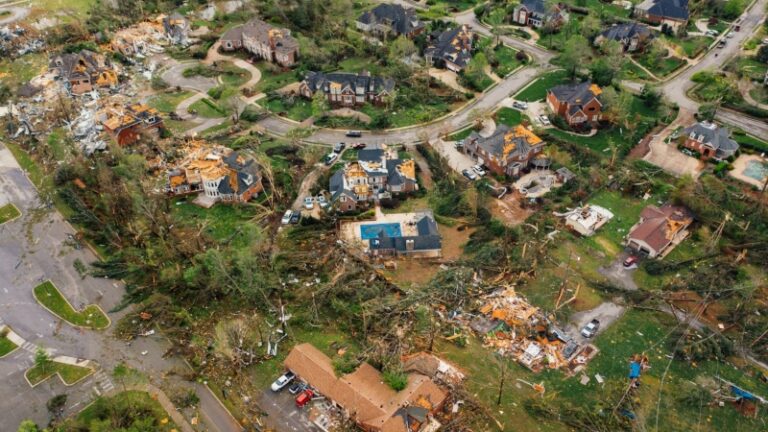
Storm season can turn a solid roof into a stress test overnight. One loud crack of thunder, a few hours of hard wind or hail, and suddenly you’re staring at missing shingles, ceiling stains, or a yard full of debris. If you’re trying to figure out what matters first, what can wait, and how to avoid expensive mistakes, you need a clear plan. Roof damage moves fast, and confusion usually makes it worse.
Get a Professional Inspection Before Problems Grow
A roof doesn’t need a dramatic hole in it to be in trouble. Some storm impacts loosen materials, break adhesive seals, or shift components just enough to create future leaks. You may not spot those issues from the driveway.
A professional inspection helps you separate surface-level mess from actual roofing failure. In many cases, homeowners dealing with storm damage roofing concerns need more than a quick glance; they need someone who can identify compromised shingles, hidden water entry points, and repair needs before the damage spreads.
A strong inspection should cover shingles, flashing, ridge caps, vents, decking concerns, and drainage components. Ask for photos and a clear written summary. If the explanation sounds vague or overly dramatic, that’s a red flag. You want precision, not storm-chasing sales theater.
Start With Safety, Not Curiosity
Right after a storm, your first instinct might be to go outside and inspect everything up close. Try not to. Wet shingles, loose flashing, fallen branches, and downed power lines can turn a simple check into a hospital visit.
Instead, start from the ground. Use your phone to zoom in on the roofline. Look for missing shingles, bent gutters, exposed underlayment, or piles of granules near downspouts. Inside your home, check the attic and ceilings for damp insulation, water spots, or that unmistakable “something is definitely not dry” feeling.
If the damage looks serious, keep people away from affected rooms. Water can travel in odd paths, so a stain in one corner may connect to a roof problem somewhere else entirely. Storm damage is sneaky like that.
Know the Difference Between Cosmetic and Structural Damage
Not all roof damage carries the same level of urgency. A few bruised shingles may not threaten your home today, but cracked seals, lifted edges, or punctures from debris can open the door to leaks fast.
Cosmetic damage usually affects appearance more than performance. Think minor discoloration, small granule loss, or dents in metal components that haven’t broken seams. Structural or functional damage is the bigger issue. That includes torn shingles, damaged decking, flashing failures, sagging sections, or moisture intrusion.
This distinction matters when you talk to insurers and contractors. A roof can look mostly fine from the curb and still have compromised areas that shorten its lifespan. Wind, hail, and flying debris often create damage that spreads over time, especially when small weak spots meet the next round of bad weather.
Document Everything Before Any Major Cleanup
Before you start tossing branches, tarping sections, or calling three different people at once, document what happened. Photos and notes are your best friends here. Take wide shots of the house, then close-ups of specific problem areas. Include damaged siding, gutters, windows, and interior leaks too.
Useful details to record include:
– The date and approximate time of the storm
– What you observed first
– Visible roof and property damage
– Any active leaking inside the home
– Emergency steps you took to reduce damage
If a contractor later provides an estimate, keep that with your records. The same goes for receipts from temporary repairs or water mitigation. A messy paper trail can slow down claims and create arguments over what happened when. Boring admin work, yes. Also extremely helpful.
Understand How Insurance Usually Fits Into the Process
Homeowners insurance often covers sudden storm-related roof damage, but that doesn’t mean every claim gets approved automatically. Policies vary, deductibles matter, and adjusters look closely at roof age, maintenance history, and whether damage came from one storm or long-term wear.
When filing a claim, move quickly but carefully. Report the issue, share documentation, and be specific about what you observed. Avoid guessing about causes if you’re not sure. “Water stain appeared after hail and high wind” is stronger than a dramatic theory involving six different roof failures.
It also helps to understand that insurers may distinguish between repairable damage and full replacement scenarios. A newer roof with localized impact damage may qualify for targeted repair. An older roof with widespread storm impact could become a more complicated discussion, especially if matching materials are an issue.
Temporary Repairs Help, but They’re Not the Finish Line
Emergency steps can reduce immediate loss, especially when water is actively entering the home. Tarping exposed areas, moving valuables, placing buckets under drips, and drying wet materials can all buy you time.
Still, temporary fixes are exactly that: temporary. A tarp can fail. Sealant can crack. A bucket under a leak is not a home improvement strategy, no matter how committed you are to the bucket.
What matters most is making sure the temporary work doesn’t hide the full problem. Water often gets under shingles, behind fascia, or into insulation before it becomes visible indoors. If repairs focus only on the obvious opening, moisture can stay trapped and lead to mold, rot, or damaged decking.
Treat emergency measures as damage control, not a final solution.
Watch for Contractor Red Flags After Major Storms
Big storms tend to attract aggressive contractors, including legitimate companies and a few who treat neighborhoods like speed-run sales zones. Urgency is real after severe weather, but pressure tactics are not.
Be cautious if someone:
– Knocks on your door and demands an immediate signature
– Offers a “today only” deal after minimal inspection
– Promises insurance approval
– Asks for large upfront cash payments
– Refuses to provide written scope details
– Has no local presence or verifiable reviews
A solid contractor should explain findings clearly, outline repair options, and answer questions without acting offended that you asked them. You’re hiring someone to protect your home, not auditioning for a loyalty program.
Storm recovery is stressful enough without adding avoidable contractor drama to the mix.
Think Beyond the Repair and Plan for the Next Storm
Once your roof is repaired, it’s worth looking at prevention. You can’t negotiate with weather, but you can make your home less vulnerable next time. Ask whether your current roofing materials are rated well for local wind or hail patterns. Check attic ventilation, flashing condition, gutter performance, and nearby tree limbs.
A simple long-term plan may include:
– Annual roof inspections
– Gutter cleaning before storm season
– Trimming branches near the house
– Checking attic moisture after heavy weather
– Keeping copies of inspection and repair records
Roof damage rarely feels urgent until the exact second it does. Staying organized, acting early, and relying on qualified help can save you money and a lot of frustration. When storms hit, a calm process beats panic every time.
***
This content is brought to you by James Oliver.
—
Photo Credit: pexels

