


—
This content is for informational purposes only and is not intended to provide legal advice.
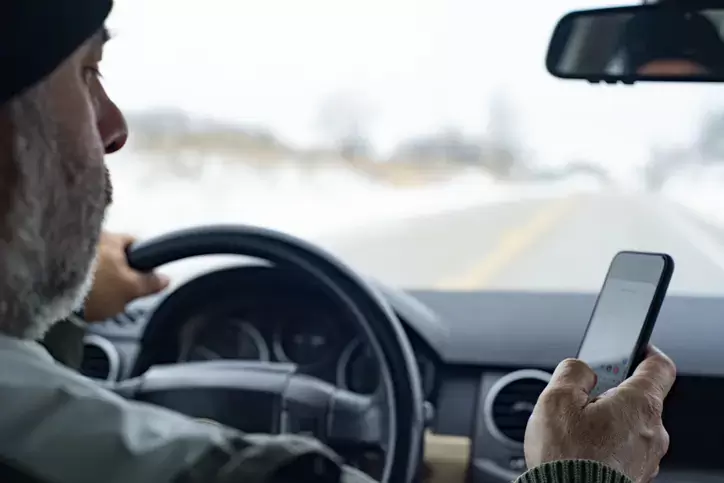
A distracted driving crash is dangerous enough when only two vehicles are involved. When several cars, trucks, or motorcycles become part of the collision, the scene can quickly become chaotic. One driver glances at a phone, reaches for something, looks away from traffic, or reacts too late, and that single moment of inattention can set off a chain of impacts.
Multi-vehicle crashes are often harder to untangle because every driver may have a different version of what happened. Some may blame the first impact, while others may argue that later drivers were following too closely or failed to avoid the wreck. After this kind of collision, a person injured in the crash may want to speak with a car crash attorney in Charleston to understand how fault, evidence, and insurance issues may be investigated.
One Moment of Inattention Can Start a Chain Reaction
Distracted driving often delays reaction time. A driver who is looking at a phone or adjusting a screen may not see traffic slowing ahead. By the time they look up, there may be no time to brake safely.
In a multi-vehicle crash, that first mistake can push one vehicle into another, block a lane, or force nearby drivers to swerve. A single rear-end impact can become a pileup when traffic is heavy, visibility is poor, or vehicles are traveling at highway speeds.
The First Impact Is Not Always the Whole Story
It may be tempting to blame only the driver who started the crash. In some cases, that driver may carry the greatest responsibility. However, later impacts may also matter.
Another driver may have been speeding, following too closely, distracted, or failing to respond to hazards ahead. A careful investigation should examine each vehicle’s movement before and after impact. This helps determine whether one person caused the entire collision or whether multiple drivers share fault.
Why Distracted Drivers Often Fail to Brake
Braking evidence can reveal important details. A driver who was paying attention may leave skid marks or show signs of emergency braking. A distracted driver may strike another vehicle without slowing much at all.
This lack of braking can increase the force of the collision and make injuries worse. It may also support the argument that the driver was not watching the road. Vehicle data, road marks, witness statements, and damage patterns can help show whether the driver reacted in time.
Phone Use May Leave a Digital Trail
Cellphone distraction is one of the most common concerns after a serious crash. A driver may deny texting, scrolling, checking directions, or making a call. Phone records may help show whether the device was active near the time of the collision.
Other technology may also matter. Navigation apps, rideshare apps, delivery apps, vehicle infotainment systems, and social media activity may provide clues. These records usually need to be preserved quickly because some data may become harder to access over time.
Vehicle Damage Can Help Reconstruct the Sequence
In a crash involving several vehicles, damage patterns may help show the order of impacts. Front-end damage, rear-end damage, side impacts, crushed frames, airbag deployment, and vehicle resting positions may all tell part of the story.
For example, one vehicle may have been pushed into another rather than striking it independently. That distinction can matter when drivers and insurance companies argue about who caused which damage and injuries. Photographs and repair inspections can help preserve this evidence.
Witnesses May See Different Pieces of the Crash
No single witness may see the entire collision. One person may see a driver looking down before impact. Another may notice that traffic had already stopped. A third may hear a crash and then see later vehicles collide.
When these accounts are gathered together, they can create a clearer picture. Witness statements are especially useful when drivers disagree about speed, lane position, braking, or which vehicle hit first.
Dashcams and Traffic Cameras Can Change the Case
Video footage can be powerful in a multi-vehicle crash. A dashcam may show traffic slowing, a vehicle drifting, or a driver failing to brake. Business cameras, traffic cameras, and nearby home cameras may capture parts of the crash or the moments before it.
This footage may disappear quickly if no one requests it. Businesses and agencies may overwrite recordings within days or weeks. Identifying possible camera locations early can help preserve evidence before it is lost.
Injuries Can Come From More Than One Impact
A multi-vehicle crash may expose the body to several forces from different directions. Injuries may result from:
- Being rear-ended
- Being pushed into another vehicle
- Being struck from the side
- Multiple impacts affecting different body parts
- Neck, back, head, shoulder, knee, or chest trauma
- Existing injuries becoming worse with each impact
Medical records, vehicle damage, and expert analysis can help connect the injuries to the crash sequence.
Commercial or Work Vehicles Add More Questions
Some multi-vehicle crashes involve delivery drivers, company cars, trucks, or rideshare vehicles. If a distracted driver was working at the time of the crash, the employer, delivery company, or another business may need to be examined.
Work records, GPS logs, dispatch messages, app data, and company policies may show whether the driver was distracted by job demands. In some cases, pressure to meet deadlines or respond to messages may have contributed to unsafe driving.
Weather and Road Conditions Can Increase the Damage
Rain, fog, darkness, construction zones, and heavy traffic can make distracted driving even more dangerous. A driver who looks away on a clear, empty road may still have time to correct the mistake. In poor conditions, that same distraction can leave no room for recovery.
Drivers are expected to adjust their behavior to the conditions around them. If traffic is backed up, visibility is low, or roads are wet, looking away from the road becomes even more reckless.
Early Evidence Collection Can Prevent Confusion
Multi-vehicle crash scenes can be cleared quickly to reopen traffic. Once vehicles are towed and debris is removed, important details may be harder to prove. Photos should capture vehicle positions, damage, debris, road marks, traffic signals, weather, and nearby cameras.
Injured people should also keep medical records, repair estimates, witness contacts, police report information, and insurance correspondence. A clear file can help organize a claim that might otherwise become confusing because so many parties are involved.
When One Distraction Leaves Many People Hurt
A distracted driver may look away for only seconds, but the results can spread across several vehicles and many lives. Multi-vehicle crashes can leave victims with serious injuries, financial stress, damaged vehicles, and months of disputes over who was responsible.
The key is not to accept the first version of the crash as the final answer. Phone records, video footage, witness accounts, vehicle damage, and crash reconstruction may reveal how one driver’s inattention created a chain reaction. When the evidence shows that distraction caused the crash, injured victims can pursue accountability for the harm that followed.
—

