


—
Cycling is often described as a simple activity. You get on a bike, start pedaling, and follow the road or trail ahead. Yet anyone who has spent several hours in the saddle knows that the experience depends on far more than the bicycle alone.
Fitness, bike fit, weather, road surface, hydration, and nutrition all influence how a ride feels. Clothing is another major factor, although many riders underestimate its importance when they first start cycling.
The right cycling apparel can make a ride feel smoother, more comfortable, and more enjoyable. The wrong clothing can create friction, trap heat, restrict movement, and turn small irritations into serious discomfort.
For men who ride regularly, cycling apparel is not simply a matter of appearance. It is equipment designed to support the body through repetitive movement, changing weather, and long periods in a fixed position.
Understanding how cycling clothing works can help riders make better choices, avoid common problems, and enjoy more time on the bike.
Cycling Clothing Is Designed for a Riding Position
Ordinary sportswear is usually designed for standing, walking, or running. Cycling places the body in a very different position.
A rider leans forward, bends at the hips, reaches toward the handlebars, and keeps the knees moving continuously. The back is curved, the shoulders remain relatively stable, and the legs repeat the same motion thousands of times during a long ride.
Cycling apparel is shaped around this position.
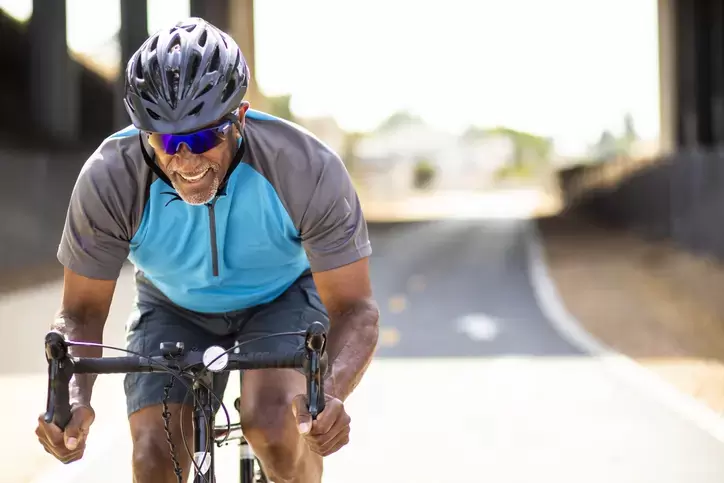
A cycling jersey is typically longer at the back so it continues to provide coverage when the rider leans forward. The front is often shorter to prevent excess fabric from gathering around the stomach.
Sleeves are designed to sit comfortably when the arms reach toward the handlebars. The shoulders and upper back are shaped to support movement without pulling against the rider.
Cycling shorts and bib shorts also use a highly specific construction. They are cut to remain stable while the hips and knees move repeatedly. The fabric stretches in several directions, helping the garment follow the body instead of resisting it.
These details may seem minor when a rider is standing in front of a mirror. On the bike, they can make a significant difference.
Comfort Becomes More Important as Distance Increases
A short ride can be completed in almost any clothing. A rider may not notice a loose shirt, an uncomfortable seam, or moisture trapped against the skin during a quick trip around the neighborhood.
The situation changes as the distance increases.
During a two, three, or four-hour ride, the body performs thousands of repeated movements. A seam that rubs slightly during the first 20 minutes may cause painful irritation later. Damp fabric can become heavy and cold. Loose material may move constantly in the wind.
Comfort problems tend to accumulate.
This is why experienced cyclists pay close attention to fit, fabric, seams, padding, and ventilation. Good apparel does not eliminate physical fatigue, but it reduces unnecessary distractions.
When clothing works correctly, the rider can focus on pacing, traffic, technique, scenery, and the experience of the ride itself.
Bib Shorts Can Change the Entire Ride
For many men, bib shorts are the most important piece of cycling clothing.
Unlike regular shorts, bib shorts use shoulder straps to hold the garment in place. This removes the need for a tight waistband and reduces pressure around the stomach.
The design also prevents the shorts from sliding down or shifting during movement.
Inside the shorts is a padded insert commonly called a chamois. Its purpose is not simply to provide softness. A good chamois helps distribute pressure, manage moisture, and reduce friction between the rider and the saddle.
Different riders may prefer different levels of padding, density, and shape. More padding is not always better. A thick, poorly positioned insert can feel bulky or create pressure in the wrong areas.
The fit of the shorts is equally important. They should sit close to the body without restricting blood flow or movement. Excess fabric can fold, bunch, and create friction.
Leg grippers should keep the shorts stable without cutting aggressively into the skin.
The right bib shorts can make long rides significantly more comfortable. They help the rider maintain a stable position and reduce the risk of chafing, saddle discomfort, and skin irritation.
Moisture Management Protects Comfort and Performance
Cycling generates heat and sweat, even in cool weather.
Cotton clothing absorbs moisture and holds it against the body. Once wet, it dries slowly, becomes heavier, and can create discomfort.
Technical cycling fabrics are designed to move moisture away from the skin and allow it to evaporate more efficiently. This process helps the body regulate temperature.
Moisture management is especially important for men who ride at moderate or high intensity. Sweat can build quickly under a jersey, around the back, and beneath the straps of bib shorts.
If the fabric cannot release that moisture, the rider may feel overheated during hard efforts and cold during descents or rest stops.
A good cycling jersey uses breathable materials and may include lighter panels in areas where heat builds most quickly.
This does not mean the rider will remain completely dry. The goal is to prevent moisture from becoming trapped for long periods.
Better moisture control can improve comfort, reduce irritation, and help the body manage temperature more effectively.
Temperature Regulation Requires More Than One Garment
Cycling exposes the body to rapidly changing conditions.
A rider may feel warm while climbing, cold while descending, and comfortable again on flat roads. Wind speed, shade, cloud cover, and altitude can change how the same air temperature feels.
The body also generates different amounts of heat depending on effort.
This makes layering one of the most useful skills a cyclist can develop.
A lightweight base layer can help move moisture away from the skin. A jersey provides the main layer of coverage. Arm warmers, a vest, or a packable jacket can be added or removed as conditions change.
The best cycling wardrobe is flexible.
Instead of wearing one heavy garment, riders can combine several lighter pieces and adjust them during the ride.
This approach is especially useful in spring and autumn, when mornings may be cold but temperatures rise later in the day.
Proper apparel does not only protect against cold. It also helps prevent overheating by allowing the rider to remove layers before sweat accumulates excessively.
Fit Affects Aerodynamics and Energy Use
Cyclists often associate aerodynamics with professional racing, expensive wheels, or aggressive riding positions. Clothing also plays an important role.
Loose fabric catches the wind and creates drag. At higher speeds, a flapping jersey can require the rider to use more energy to maintain the same pace.
A close-fitting cycling jersey creates a smoother shape and reduces unnecessary air resistance.
The rider does not need to be competing for this to matter. Reduced drag can make group rides, long road sessions, and windy conditions feel easier.
However, a performance fit should not be confused with an uncomfortable fit.
The clothing should sit close to the body, but it must still allow full breathing and movement. A jersey that is excessively tight may restrict the chest, shoulders, or stomach.
Men also have different body shapes. Some have broad shoulders and a narrow waist. Others have a heavier upper body, larger arms, or more muscular legs.
The best fit is the one that remains stable in the riding position without creating pressure, pulling, or restriction.
Reduced Friction Helps Protect the Skin
Chafing is one of the most common cycling problems, especially during long rides, hot weather, or high-volume training.
It occurs when the skin repeatedly rubs against fabric, another area of skin, or the saddle. Sweat and heat can make the problem worse.
Good cycling apparel reduces this risk through close-fitting fabrics, carefully placed seams, and moisture management.
Bib shorts should remain stable against the skin instead of shifting with every pedal stroke. Flat seams can reduce pressure points. A properly fitted chamois can minimize movement in sensitive areas.
Cyclists should also avoid wearing underwear beneath bib shorts. The additional seams and fabric can trap moisture and increase friction.
For longer rides, some men use chamois cream to reduce rubbing and protect the skin.
No garment can completely prevent discomfort if the bike fit or saddle is unsuitable. However, well-designed clothing removes many avoidable causes of irritation.
Good Apparel Supports Confidence
Cycling clothing has a psychological role as well as a physical one.
Many men feel uncertain when they first wear close-fitting cycling apparel. The garments may feel unfamiliar, especially for riders who are used to loose gym clothing or casual shorts.
Over time, most cyclists recognize that the fit serves a practical purpose.
When clothing fits properly and looks good, it can increase confidence. The rider feels prepared, comfortable, and connected to the activity.
This confidence may make it easier to join a group ride, participate in an event, or spend more time training outdoors.
Style is personal. Some riders prefer simple colors and minimal branding. Others enjoy bold graphics, bright designs, or coordinated kits.
Modern brands such as Montella Cycling give riders access to technical cycling apparel that also offers a more distinctive visual identity.
A rider does not have to choose between performance and personality. Clothing can support the body while also reflecting individual taste.
Visibility Can Improve Safety
Cycling apparel can also make a rider easier to see.
Bright colors, reflective details, and high-contrast patterns help cyclists stand out against roads, trees, buildings, and changing light conditions.
Visibility becomes especially important during early morning rides, evening training, cloudy weather, or sections of road with shadows.
Reflective elements work by returning light toward its source, making the rider more noticeable in vehicle headlights.
No jersey or jacket can replace lights, careful road positioning, and defensive riding. However, visible apparel adds another layer of protection.
Men who prefer dark or neutral clothing can still improve visibility by choosing garments with reflective logos, panels, or details.
A rider does not need to wear fluorescent clothing from head to toe. The goal is to create enough contrast and movement for drivers to recognize the cyclist quickly.
Pockets Make the Ride More Practical
One of the most useful features of a cycling jersey is the rear pocket system.
Most jerseys include three pockets across the lower back. These provide easy access to food, a phone, tools, a small pump, gloves, or a packable jacket.
The pockets are positioned behind the rider because they remain accessible while cycling and do not interfere with the riding position.
A secure zipper pocket may be added for keys, money, or other valuable items.
Good pockets should hold their shape without allowing items to bounce excessively. The jersey must also remain stable when the pockets are loaded.
This practical storage allows riders to carry essential items without using a backpack, which can trap heat and place pressure on the shoulders.
For longer rides, pockets become part of the rider’s organization system. Food may go in one pocket, tools in another, and clothing layers in the third.
A well-designed jersey makes these items easier to reach without stopping.
Different Rides Require Different Clothing
There is no single cycling outfit that works perfectly in every situation.
A fast road ride may require a close-fitting jersey and aerodynamic bib shorts. A gravel ride may call for more durable fabrics, extra storage, and protection from dust or branches.
A short urban commute may prioritize visibility and weather protection.
Long endurance rides place greater emphasis on chamois comfort, moisture control, and reliable pockets.
Weather also changes the requirements.
Hot conditions demand breathable fabrics and sun protection. Cold weather requires insulation and wind resistance. Rain makes water resistance, quick drying, and temperature management more important.
Men who ride regularly benefit from building a small system of compatible garments rather than buying random individual pieces.
A practical cycling wardrobe may include:
- Short-sleeve jerseys for warm conditions
- Bib shorts with a comfortable endurance chamois
- A lightweight base layer
- Arm and leg warmers
- A wind-resistant vest
- A packable rain jacket
- Full-finger and short-finger gloves
- Warm socks or shoe covers for colder rides
These pieces can be combined in different ways depending on the forecast and the planned intensity.
Quality Can Provide Better Long-Term Value
Cycling apparel varies widely in price.
Budget products may be sufficient for occasional short rides, but regular cyclists often benefit from better fabrics, stronger construction, improved padding, and more precise fit.
Quality does not always mean choosing the most expensive product available. It means looking for features that support the type of riding being done.
A well-made jersey should maintain its shape, manage moisture, and keep the zipper and pockets functioning after repeated use.
Bib shorts should preserve compression and chamois structure over time. Seams should remain flat and secure.
Durability is important because cycling clothing is washed frequently. Sweat, sunscreen, road dust, and repeated stretching can place stress on the materials.
A product that fits well and survives many rides may offer better value than a cheaper garment that quickly loses shape or becomes uncomfortable.
Proper Care Extends the Life of Cycling Apparel
Cycling clothing should be washed soon after use. Leaving sweat in the fabric can create odor and damage elastic fibers over time.
Most garments should be washed at a low temperature with a gentle detergent. Fabric softener is usually best avoided because it can reduce the moisture-wicking ability of technical materials.
Zippers should be closed before washing to prevent them from catching on other garments. Bib shorts and jerseys can be placed in a laundry bag for additional protection.
Air drying is generally better than using high heat. Excessive heat can weaken elastic fabrics, grippers, and printed designs.
Cycling apparel should also be stored completely dry.
Proper care helps garments maintain their shape, color, compression, and technical performance for longer.
Clothing Cannot Correct Every Cycling Problem
Good apparel can improve comfort, but it cannot compensate for a poorly adjusted bike.
Persistent knee pain, numbness, hand pressure, or severe saddle discomfort may be caused by bike fit rather than clothing.
Saddle height, saddle position, handlebar reach, cleat alignment, and riding posture all influence how pressure moves through the body.
A high-quality chamois may reduce friction, but it cannot make an unsuitable saddle work perfectly. A technical jersey may regulate heat, but it cannot prevent dehydration.
Cycling performance depends on several connected systems. Clothing is one of them.
The best results come when apparel, bike fit, training, nutrition, and recovery all support the rider together.
The Right Clothing Makes Cycling Easier to Enjoy
The main benefit of cycling apparel is not that it makes a rider look more experienced. Its purpose is to remove unnecessary obstacles.
Good clothing reduces friction, manages sweat, supports movement, improves visibility, and helps the body adapt to changing weather.
It can make a long ride more comfortable, a fast ride more efficient, and a social ride more enjoyable.
For men who want to cycle regularly, the right apparel can also strengthen the habit. When preparation feels easier and the body remains comfortable, there are fewer reasons to cut the ride short or avoid going out.
Cycling should still require effort. Hills will remain difficult, headwinds will remain frustrating, and long distances will still create fatigue.
The clothing will not pedal the bike.
What it can do is allow the rider to focus on the challenges that matter rather than being distracted by heat, chafing, pressure, or poorly fitting fabric.
That is why cycling apparel should be viewed as functional equipment rather than an optional accessory.
The right kit supports comfort, confidence, and consistency. Over time, those improvements can transform not only how a man feels during a single ride, but also how strongly cycling becomes part of his life.
—

