


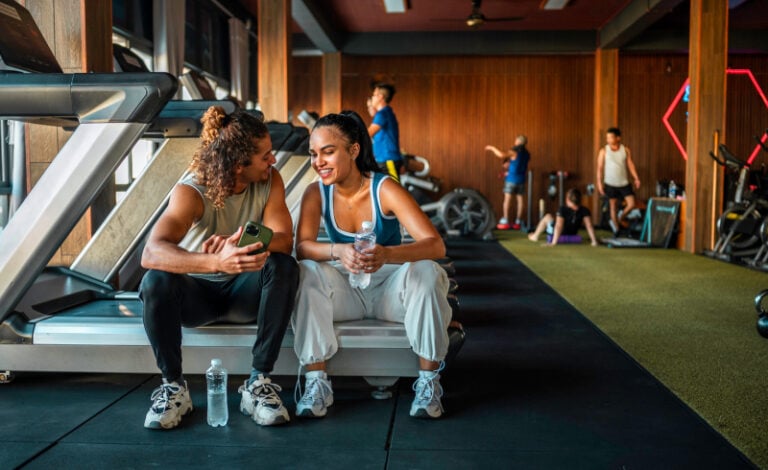
Americans experiencing COVID-19 symptoms are being urged to skip the gym if they are relying on medication to reduce a fever or to feel well enough to exercise.
The warning follows renewed attention to XFG, the COVID-19 variant also known as Stratus and nicknamed “American COVID” in some media coverage. The variant has been circulating internationally for around a year, and current evidence does not indicate that it causes more severe illness than other circulating variants.
In its October 9 update, the Centers for Disease Control and Prevention reported that COVID-19 activity remained elevated in some U.S. regions while declining nationally.
Dr. Samuel Sarmiento, a physician working alongside laboratory experts at Licensed Peptides, warns that temporarily relieving symptoms can give gymgoers a misleading impression of their recovery.
“If you need medication to bring down a fever or make yourself feel capable of training, postpone the workout,” Dr. Sarmiento says.
“Feeling better for a few hours does not establish that you have recovered. You also need to consider whether you could pass the infection to someone else.”
Fever, body aches and exhaustion are reasons to rest
Mayo Clinic advises against exercise when someone has a fever, significant fatigue or widespread muscle aches. It also advises avoiding exercise with others when experiencing COVID-19 or another contagious illness.
Dr. Sarmiento explains:
“A workout you usually handle comfortably may feel very different when you are sick. If you have a fever, body aches or significant exhaustion, even a lighter version of your usual session may be too much.
Missing a workout can feel frustrating when you have built a routine, but you do not need to make up every session you miss. Give yourself time to recover.”
The fever-free guidance includes an important condition
CDC guidance says people can resume normal activities when, for at least 24 hours, their symptoms have been improving overall and they have had no fever without using fever-reducing medication.
The agency recommends additional precautions for the following five days, including cleaner air, a well-fitting mask and distancing when around others, because people may still spread the virus.
Dr. Sarmiento highlights the distinction between returning to everyday activities and returning to strenuous exercise.
“Bringing your temperature down with medication does not meet the fever-free condition,” he explains.
“And meeting the CDC guidance does not automatically mean you are ready for heavy lifting or a high-intensity class. You still need to consider your recovery and any remaining symptoms.”
One negative home test is not a green light
A single negative antigen test cannot rule out COVID-19. For people with symptoms, FDA recommendations call for a second antigen test 48 hours after an initial negative result.
Dr. Sarmiento advises,
“If you feel sick, one negative home test should not be your reason to attend a crowded gym.
Follow the testing instructions and take precautions around other people.”
Return gradually and pay attention to symptoms afterward
American College of Cardiology guidance recommends that athletes with mild or moderate COVID-19 symptoms unrelated to the heart or lungs wait until those symptoms resolve before resuming training. Persistent loss of taste or smell is an exception.
The guidance supports a gradual return, with medical assessment for symptoms such as chest tightness, unusual breathlessness, palpitations or lightheadedness.
Dr. Sarmiento recommends keeping the first session back manageable: “Once you have recovered sufficiently to restart, choose a shorter, easier workout. Pay attention to how you feel during it and afterward, rather than immediately aiming for your previous weights or pace.”
People with ongoing symptoms need an individualized approach. CDC notes that some people with long COVID experience worsening symptoms 12 to 48 hours after even minor exertion. Anyone experiencing this pattern should seek medical advice rather than continue increasing their workouts.
Trouble breathing or persistent chest pain requires emergency medical attention. People at higher risk of severe COVID-19 should contact a healthcare professional promptly about treatment, which must begin early in the illness.
—
The Good Men Project is a mission-driven men’s media platform. A major platform for stories about men, identity, fatherhood, and emotional intelligence—and a trusted home for the national conversation about masculinity.
The Good Men Project accepts paid guest posts and provides bulk guest post packages for SEO agencies and resellers.

If you believe in the work we are doing here at The Good Men Project, please join us as a Premium Member today.
All Premium Members get to view The Good Men Project with NO ADS.
Need more info? A complete list of benefits is here.
Photo credit: iStock

