


Since looting is a hot topic right now, I thought it would be good to educate some people on the history of it.
The same people condemning the protestors for civil disobedience, forget the looting of Africa — a whole continent was robbed by their ancestors yet they want to criticise a social justice movement.
I’m not completely surprised though, western education systems skip through that part of history.
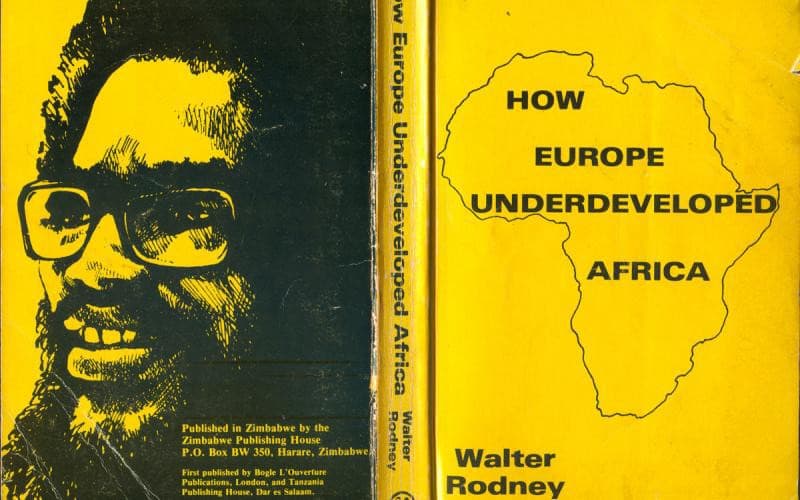
This is why Walter Rodney’s book, “How Europe Underdeveloped Africa”, is an essential read. Everyone must read it to understand the long-lasting effects of colonialism.
It helps readers understand Africa’s constant losing battle with poverty, instability and corruption.
It discusses how Africa and Europe’s trade contacts influenced both continents significantly — the development of Europe is a direct result of the underdevelopment of Africa.
This book breaks down why “colonialism was so long ago though, it can’t be the reason why Africa is suffering today” is an invalid argument.
Reason 1:
Colonialism’s main purpose was to exploit resources and to send goods back to the mother country.
Europe Underdeveloped Africa by using it as a tool to develop itself. This was done through slavery, abuse of natural resources, and trade.
The precolonial trade period between the two gave Europe a dominating political power in Africa. Europe benefited from the opportunity to make use of whatever seemed profitable in Africa.
Rodney highlights the necessity of following the development patterns of both Africa and Europe. This helps us understand how they formed the capitalist-imperialism system.
Europeans had to seek countries that were less developed to exploit their raw materials, supplies and markets. While also finding new profitable investments.
2 well-known examples of these investments included:
- The mines of South Africa
- The Suez Canal (which was dug out by Egyptians and on Egyptian soil but owned by the British and French. This helped extend their political power over Egypt and Sudan)
Africa’s main value to Europe was in the raw materials and labour. The rise of European demand for more slaves disrupted Africa’s development. Able-bodied men were held captive and could no longer work on their land — causing famines to erupt throughout Africa.

Source: Libquotes
. . .
Reason 2:
After “abolishing” slavery, the mechanism of exploitation changed.
African labour was no longer shipped to other parts of the world. Instead, it was exploited through the commodities it could produce.
Whenever Africans realised that Europeans were accepting a certain product in place of slavery, they put all their effort into producing it. The export of slaves proved to be significantly declining in areas rich with ivory, rubber, palm and groundnuts.
According to Walter Rodney, capitalism flourished in Africa because of the polarization of money and power. On one extreme Africa was in poverty, and on the other Europe was flourishing with economic and technological advances.
In his opinion, colonialism extended the existence of capitalism in Western Europe. He defines imperialism as capitalist expansion.
Capitalism in its imperialist form recognised that locals should have some form of self-governance. This applied to many parts of the world, excluding Africa.
European capitalists decided that the best approach for Africa was direct colonisation — a racially driven decision of course.
. . .
Reason 3:
Europeans implemented the divide and conquer tactic throughout their stay in Africa. This helped establish and prolong their colonial rule.
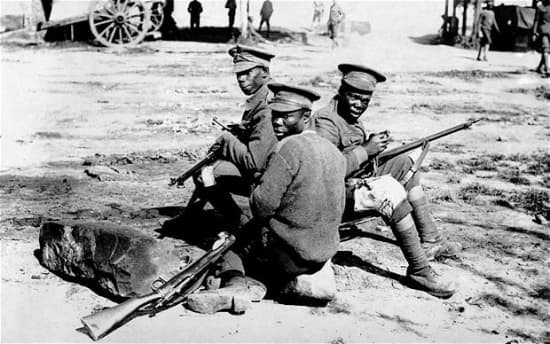
During the colonial period, Africans were trained to preserve colonial relations. They even managed to recruit Africans to serve in the First World War. This ensured that individuals carried colonial values even after independence.
Source: Black History Month
. . .
“But colonialism helped develop the continent” :
Rodney contests against the politicians who believe that colonisation was beneficial to Africa. He states: “Colonialism was a monstrous institution holding back the liberation of man”.
Colonialism only had one side — exploitation. There is no other explanation or justification for it. He adds that the only positive development in colonialism was when it ended.
Colonial governments discriminated against employing African workers in high positions. It made sure that the white worker was being paid higher than the black worker even if it was for the same job. This is still common practice today.
Rodney also argues against the underdeveloped argument. Those that claim the continent was underdeveloped before colonialism fail to recognise that development is subjective.
Education and innovation in pre-colonial Africa existed. It was relevant to the way of life in Africa and produced well-rounded personalities to fit into the African society of that time.
Pre-colonial African developments were halted and no compensations have been given for that.
. . .
This was a brief glimpse of the contents of the book. Everyone must read it so we can move the conversations about Africa forward. Instead of scratching our heads in confusion, we can directly link the exploitation of the continent by Europe to the struggles it is facing today.

Source: Libquotes
—
This post was previously published on Equality Includes You and is republished here with permission from the author.
—
***

If you believe in the work we are doing here at The Good Men Project and want to join our calls on a regular basis, please join us as a Premium Member, today.
All Premium Members get to view The Good Men Project with NO ADS.
Need more info? A complete list of benefits is here.
Talk to you soon.
—
Photo credit: Pambazuka Press

