


At their best, our gardens can not only bring benefits for us but the environment as well. Turning your outdoor space into an eco-friendly environment can be both economical and more sustainable, with less need for regular maintenance.
The great thing about building a sustainable garden is that we can all reap the rewards of environmentally-focused spaces no matter the size of our garden or the budgets we’re working with.
Unsure of how to turn your garden into a vibrant and sustainable haven? Let’s look at six easy steps to improve your eco-friendly credentials:
1. Don’t Mow the Grass Too Often
This step may come as a welcome surprise, but mowing your garden less can bring significant benefits to the local environment and provide wildflowers and pollinators that need them a great boost.
In particular, avoiding over-mowing your garden between March and September, and particularly in May, can help to bring new life into your outdoor spaces.
“Plant life guidance across the year recommends a layered approach to the garden cut, where shorter grass is complemented by areas of longer grass,” explains Oli Wilson of the National Plant Monitoring Scheme. “This two-tone approach boosts floral diversity and nectar and pollen production through the year.”
The environmental benefits of leaving your grass to grow that little bit longer has led to the emergence of ‘No Mow May’, a campaign that’s seen the emergence of a vast array of plant species across gardens including wild strawberries, snake’s-head fritillary, and wild orchids as well as bees, moths, and butterflies.
2. Water Features Can be a Refreshing Addition
If you’re able to use the space in your garden to add a water feature, it can make a transformative impact on its sustainability.
Installing a garden pond can offer some refuge for amphibians and insects, as well as vital drinking or bathing water for birds and mammals.
If your garden or budget is a little too small to add a permanent water feature, a bird bath can make a major difference in your sustainability, and even leaving a dish of water on the ground could go a long way.
3. Keep Your Garden Tools Electric
One easy way to boost your sustainability is to make the switch from petrol-powered tools to electric ones. On average, a petrol-based power tool emits 0.848 kg of carbon per litre of petrol used. In addition to this, petrol tools can emit dangerous particulates and generate more noise pollution.
4. Shade Sales Make Summer Gardens Safer
During the hot summer months, excessive UV exposure can be harmful to people and plants alike. As a way of enjoying the warm weather in a safer environment, adding a shade sail to your garden can help reduce the damage caused by the sun’s rays.
In addition to this, shade sails are extremely flexible and portable, meaning that they can offer great protection to your plant life during the hottest days of the year without becoming a constant eye-sore throughout the garden.
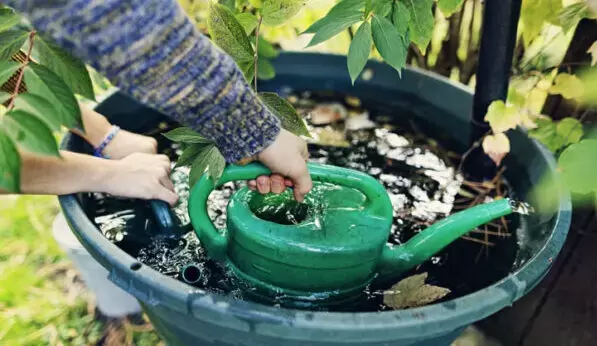
5. Make Use of Your Rainwater
While we may be accustomed to watering our plants via a tap, rainwater is the preferred water type for many plants due to the high levels of calcium they can hold. For plants that favor acid-soil like Azalea, Camellia, and Rhododendron, rainwater can be great for drawing.
By harvesting your rainwater, you can use more natural resources to keep your plants looking better. Take a moment to consider how you can slow the movement of rainwater through your garden and create a way of storing your rainwater to use on your plants.
6. A Little Mulch Can Make a Big Difference
Last but not least, mulching is one of the most effective ways of helping to make your garden more sustainable. Not only can it prevent weeds from appearing where they’re not wanted, but it can also hold plenty of moisture within the soil.
If you live in an area that can have water restrictions, mulch can be a lifesaver for your plants. Adding a two-to-three-inch layer of mulch to your garden beds around plants can help your flowers to grow better and thrive even as the temperature ramps up in the summer.
Good mulch options for more sustainable gardens can include shredded bark, cocoa bean hulls, pine needles, grass clippings, and coir (based on coconut hulls).
Every Day is a School Day in Sustainability
As far as sustainability goes, the best thing that eco-friendly gardeners can do is continue learning about the best approaches and practices for their outdoor spaces.
There are new discoveries and revelations every day about the ways we can look after our gardens, and keeping an open mind and continually doing our research can be a great way of ensuring that our gardens remain healthy and sustainable.
—
iStock image

