



In the most popular wedding month of the year, June, about thirteen thousand couples in the United States commit to a lifelong relationship full of joy, love, happiness, and friendship, when saying the words “I do”.
Of course, however, it doesn’t work out this way for most couples. Most marriages fail, either by the relationship developing into being dysfunctional and bitter or by ending in separation and divorce. Of all couples who get married, only three out of ten of those remain in happy, healthy marriages.
. . .
Social scientists first began studying marriages, observing them in action, back in the 1970s. The studies were in response to a crisis of married couples divorcing at unprecedented rates. One of those researchers was psychologist John Gottman. He has studied thousands of couples in an attempt to figure out what makes relationships last and has dedicated the past four decades to this research. John Gottman and his wife run Gottman Institute, an institute devoted to assisting couples in building and maintaining healthy, happy, loving relationships based on scientific studies.
In 1986, Gottman, along with his colleague Robert Levenson, set up the “Love Lab” at the University of Washington, where he began conducting research and collecting data. Doctors, Gottman and Levenson would bring newlyweds into the lab where they would then observe how the couple interacted with each other.
They would hook the newlyweds up to electrodes and would proceed to ask them questions about their relationship. These questions were asked to discover what kind of conflicts they were facing together, details on how they met, and a positive memory they shared.
As each individual spoke, the electrodes would measure their heart rate, blood flow, and how much sweat they were producing. The researchers would then send the couples home, where they would follow up with them six years later to discover if they were still together.
The couples were divided into two major groups: the masters and the disasters, based on the data which was gathered. The masters were still together, happily, after those six years. The disasters were either chronically unhappy or had broken up within those six years. When the data were analyzed by the researchers, they noticed a very clear difference between the masters and disasters. The disasters appeared to remain calm during their interviews, however, their physiology, being measured by electrodes, told a very different story. Their sweat glands were active, their heart rates were accelerated, and their blood flow was fast. John Gottman found that, after following thousands of couples longitudinally, the more active (physiologically) that the couples were in the lab, the quicker their relationship appeared to deteriorate over time.
. . .
So you may be asking, what does physiology have to do with any of this?
The problem was that the disasters, in their relationship, displayed all the signs of arousal of being in fight-or-flight mode. Sitting next to their partner having a conversation was, to their bodies, like facing off with a tiger. They were prepared to attack and be attacked, even when discussing mundane or even pleasant aspects of their relationship. This made them aggressive towards each other and sent their heart rates soaring. For example, an aroused husband may say to his wife “why don’t you tell them about your day. It won’t take long.” when the couples were discussing how their day had gone. The masters, however, showed much lower physiological arousal. They felt calm and connected, which transpired into affectionate and warm behavior from those individuals, even when they would argue.
John Gottman wanted to explore more on how the masters created such love and intimacy, while the disasters seemed to destroy it. In 1990, during a follow-up study, he designed a beautiful lab designed to have the appearance of a bed and breakfast retreat, on the University of Washington campus. Gottman invited 130 newlywed couples to attend the lab for a day, where he observed as they did what most couples do on vacation: clean, cook, eat, chat, listen to music, and hang out. During this study, he made a crucial discovery, one that explains why some relationships thrive while others deteriorate.
As the day went on, partners would make connection requests. For example, a husband may say to his wife “Honey, look at this beautiful bird outside”, he’s not just commenting on the bird. The husband is requesting a response from his wife, a sign of support and interest, in hopes the two will connect. The wife now has two choices, she can either respond by turning toward her husband or turn away from him. Though this observation may appear quite minor and silly, it has the potential to reveal much about the health of their relationship. The husband believed that the bird was important enough to strike up a conversation and the question now is whether the wife is capable of respecting and recognizing this.
Those who turned toward their significant other responded by engaging, showing interest, and support of the conversation. Those who turned away would reply with a very minimal response or would not respond at all, choosing to continue doing whatever it was they were doing, opposed to recognizing their partner’s attempt of striking up a conversation. These particular interactions had intense effects on marital well-being. Of those couples who turned away from their partner, thirty-three percent of them had divorced by the time of the six-year follow-up study. Of those couples who turned toward their partner, eighty-eight percent of them were still together by the time of the six-year follow-up study.
By observing these types of interactions, John Gottman can predict with up to a ninety-four percent certainty whether couples will be broken up, together and happy, or together and unhappy several years later. Much of it comes down to how much spirit of kindness each individual brings to their relationship.
. . .
People who see negativity when it’s not there and focus on criticizing their partners miss out on a huge fifty percent of the positive things their partner is doing. People damage their relationships by making their partners feel worthless, not valued, and invisible by responding minimally, deliberately ignoring them, or giving them the cold shoulder. Those who treat their partners with disrespect and criticize them are responsible for destroying their relationship. Being mean will only lead to the end of a relationship. Kindness, on the other hand, is the glue that holds a relationship together. Research has shown that kindness is the most important predictor of a sustainable marriage. Kindness provides feelings of care, love, and security for each partner. There is a great deal of evidence that shows when someone is a receiver or a witness to kindness, they will be more inclined to show kindness themselves.
If your partner expresses a need and you find yourself stressed, tired, or distracted then kindness comes into play when choosing, despite how you are feeling, to turn towards your partner, participating in that interaction. At this moment the easiest response would be to turn away from your partner and continue doing whatever you were doing, however, neglecting these small moments of emotional connection will slowly but surely wear away at the relationship. Neglect creates a barrier between partners and produces a breeding ground for resentment for the person being ignored.
During an argument is, of course, the most difficult time to display kindness, though this is also one of the most important times to be kind. Allowing aggression and animosity to spiral out of control is a recipe for disaster in any relationship and can cause irrevocable damage. Kindness does not mean that we are unable to express anger, the kindness simply informs how we choose to express that anger. You could throw plates at your partner, or you could sit down and explain why you’re feeling the way you are. I think we are all able to recognize which of these paths is the correct one to take.
People often confuse small acts of generosity as kindness and although they do go hand in hand, being treated in a loving, caring, respectful manner (kindness) far outweighs receiving a gift, and is much more likely to assist in the longevity of a relationship. While there are many causes of a relationship breakdown, what drives the deterioration of many relationships, is often the lack of kindness. As everyday stresses of life begin to pile up many couples may put less effort into their relationship, allowing grievances they hold against each other to tear them apart.
Within the first few years of marriage, for most couples, levels of satisfaction dramatically decline. Among couples who endure and go on to live happily together for many years, the one apparent thing is their spirit of kindness towards each other guiding them forward in life.
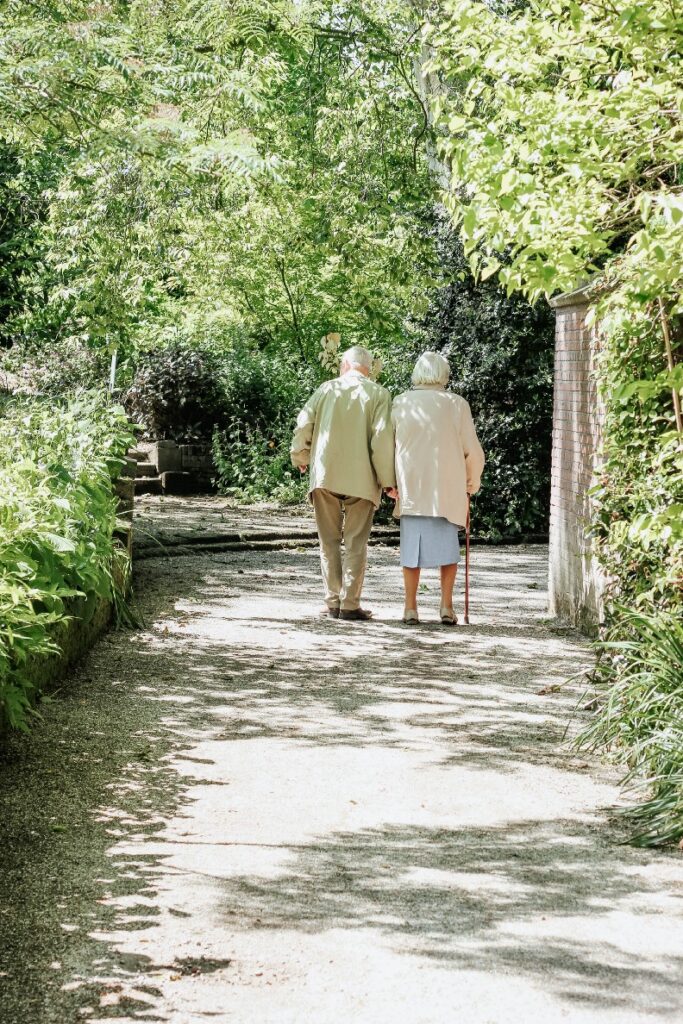
Photo by Micheile Henderson on Unsplash
—
This post was previously published on Medium.
***

If you believe in the work we are doing here at The Good Men Project and want a deeper connection with our community, please join us as a Premium Member today.
Premium Members get to view The Good Men Project with NO ADS. Need more info? A complete list of benefits is here.
—
Photo credit: Drew Coffman on Unsplash
