



We are at war — until we know the lyrics to love one another
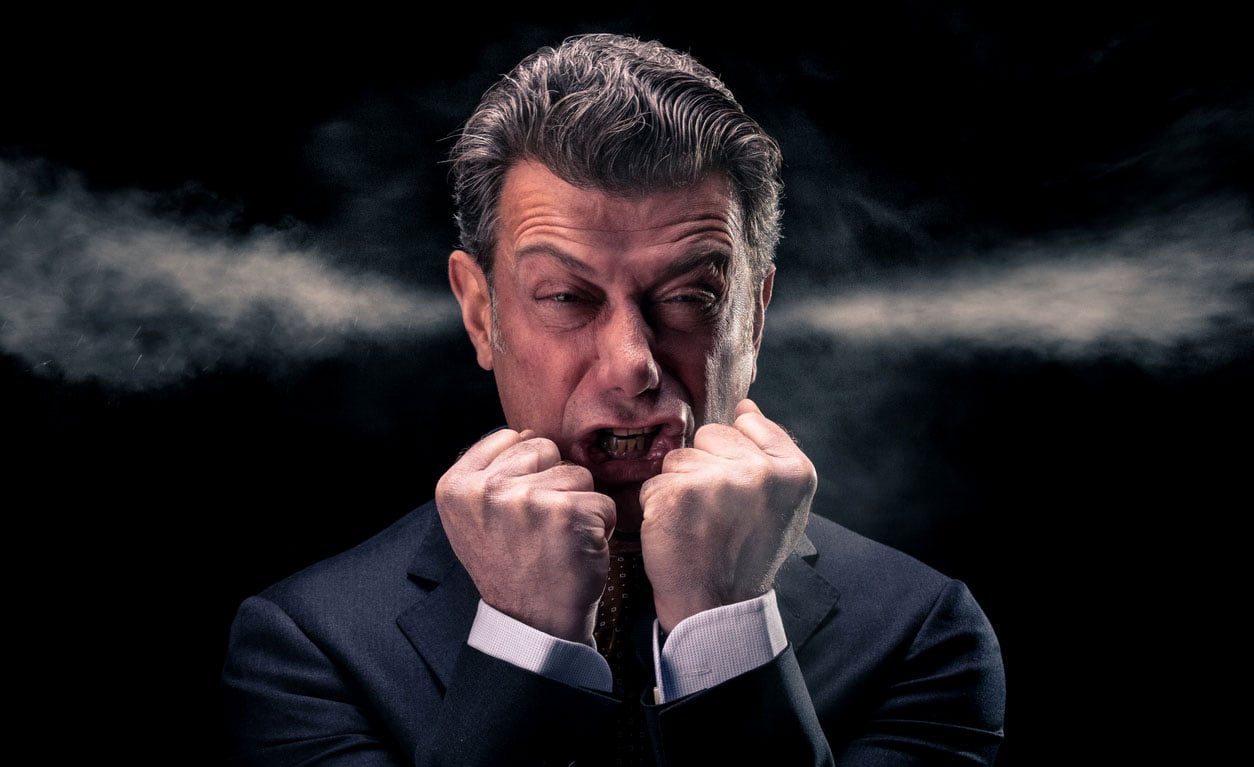
The term, “toxic masculinity” is often dismissed, because the natural position for all human beings is to be defensive about identity. To protect oneself.
This is also true for women, of course, who have much more experience with harassment and non-consensual sex, than men.
Let us get the facts out first. The word “toxic” is an adjective that describes behaviors and not individuals. Like the word “red” in “red pill,” one would never assume that all pills are red. Some are blue. This is just an indisputable fact of language, and our human nature is an indisputable fact of all people. We all are social creatures who want to be accepted as good. Right. Polite.
A behavior can be red, or blue, or purple, or pink! Most often, the fact is that it depends upon the moment, the context, and the insight of the speaker.
Be an ally, not a victim
“Rape culture”, also brings on defensiveness. That is because most men who pressure women to have sex, especially in youth and early dating years, do not realize that when a woman “gives in,” whether under the influence of alcohol, drugs, or just pressure, that she is, in fact, a rape victim.
I did not even know this until public campaigns began on the topic. Even today, few teens are educated well in school, church, or home, about consent.
Anyone can ask their mother, aunt, or grandmother about this and find confirmation that such coercion used to be called, “dating,” or in the romantic fog of the old days: “seduction.”
Add to the mix, that most such rapes are never, ever reported, (the victim almost always knows her partner) and that women are also defensive about being called “a victim.” All of this complicates a woman’s relationship with her “rapist,” so of course she is not going to take the many risks of accusation which include slut-shaming, hate mail, shame, and vulnerability.
Here, in a nutshell, you have the problems of how all people are hurt by misunderstanding, misinformation, and missed opportunity.
The important takeaway is not that men want rape culture, but that they do push for non-consensual sex far, far, more frequently than is known. And, that false accusations cover only reported, and brought to trial cases, which are incredibly rare.
How do we fix it?
There is a tremendous uproar right now about women’s rights. However, the correct, factual way to address reproductive, and even dating “rights” is to realize, and term rights, as human rights.
Many, many men, and even a large number of women do not identify as feminist. “Feminist” has become the new “F-word,” and is not used with as much frequency due to fears of being identified with negative stereotypes. It is considered, by most of us, impolite to brag about being for human equality — feminism — because the meaning has become so distorted.
The takeaway here, is that most women, love, and even bond with men. Most men, love and bond with women. A few bond with same sex partners. We just don’t realize that most of us are strong believers in human rights, and equality, who are likely to have been given conflicting messages, and misinformation, from day one.
Both rape culture and toxic masculinity have their roots in well-ingrained misogyny. Homophobia too, has shared roots. Fear of men penetrating men (dishonorable, according to much religious teaching) is the basis.
Men, naturally wanting to feel masculine, good, and accepted, internalize these messages, constantly having to prove outdated stereotypes about men as being strong, silent, stoic, and even aggressive, — assertive in dating, for example — and that is how we get to the idea that scoring, or “making it” displays manhood.
Women, obviously, also internalize social gender messages.
It culminates in people being afraid to name the problem, and address it.
My name is Jane/Joe, and I am a sexist
Try saying the above sentence, and your brain will rebel.
It is very much the same as systemic racism. We don’t want to admit it is systemic, wide-spread, and the status quo. We have culture wars, instead.
We want to believe we are all on the cutting edge of improving the status quo. This makes us unwilling to see our own empowerment by seeing our socialized, internalized belief systems.
When talking about any of these issues, then, recognize our own language.
Language and attitude are powerful. Use them to fight for human rights.
—
This post was previously published on medium.com.
***
You may also like these posts on The Good Men Project:
 White Fragility: Talking to White People About Racism White Fragility: Talking to White People About Racism |
 Escape the “Act Like a Man” Box Escape the “Act Like a Man” Box |
 The Lack of Gentle Platonic Touch in Men’s Lives is a Killer The Lack of Gentle Platonic Touch in Men’s Lives is a Killer |
 |
—
Photo credit: Harli Marten on Unsplash


I’ve written a little about it before, and I still feel that even a relatively simple semantic change to the term “toxic masculinity” could make a world of difference: If instead of “toxic masculinity” one were to use the term “inauthentic masculinity” or “pseudo-masculinity” or “malformed masculinity” or “aberrant masculinity” or “deviant masculinity” or “atypical masculinity” then it would actually be denoting what the term “toxic masculinity” purports to denote (but fails to do). That is, denoting the marginality and the anti-sociability of the behavior with specificity, instead of a misguided insinuation of universality. It would also denote that such… Read more »
“Let us get the facts out first. The word ‘toxic’ is an adjective that describes behaviors and not individuals.” I have to shake my head. The term “toxic masculinity” doesn’t denote any individualism, that’s true: It is an all-encompassing, all-inclusive term of collectivism. I think the fact is obscured that the term “toxic masculinity” is reductive and offensive precisely because it functions to (or is employed to) collectivize and essentialize- by gender, in a wholesale fashion. Its purpose is to denote a group (or a visible trait of a group) in a collectivized and disparaging way. Remember, it’s called “toxic… Read more »
“Both rape culture and toxic masculinity have their roots in well-ingrained misogyny. Homophobia too, has shared roots. Fear of men penetrating men (dishonorable, according to much religious teaching) is the basis. Men, naturally wanting to feel masculine, good, and accepted, internalize these messages, constantly having to prove outdated stereotypes about men as being strong, silent, stoic, and even aggressive, — assertive in dating, for example — and that is how we get to the idea that scoring, or “making it” displays manhood.” I cannot really agree or disagree: It is impossible to affirm or dispute anything when it is couched… Read more »