



My younger sister, eight years my junior, and I never had the chance to bond in our childhood.
I was sent to boarding school at the tender age of seven, and when she was born, I met her for the first time during one of my brief visits home when she was two-years-old.
Throughout those school years, I visited home perhaps five times.
As adults well into our married lives, we formed a sort of relationship.
She was an academic with an MA in English Language and Literature, and PhDs in English Literature and Linguistics. She married an Australian farmer and lived in country Melbourne. I ran a business in Canberra, the capital of Australia. We met on occasions like Christmas, birthdays and anniversaries.
We bonded to a certain extent, as much as could two sisters who were finding a relationship as adults.
It began subtly — a forgotten name here, a misplaced item there.
We attributed these lapses to the everyday distractions of life. However, as the instances grew more frequent and pronounced, concern supplanted casual dismissal.
Alzheimer’s disease, with its relentless grip, unexpectedly claimed my little sister.
As we navigated the tumultuous journey that ensued, I found myself not only a witness to her struggles but also a student, absorbing invaluable lessons from her unwavering spirit and resilience.
Witnessing her decline was heart-wrenching.
The vibrant academic who once debated the intricacies of Shakespeare and Chaucer began to struggle with basic conversations. Her eloquent speech, once filled with scholarly insights, dwindled to fragmented sentences and occasional incoherent murmurs.
It was a cruel irony to see someone who had dedicated their life to language and communication lose their ability to articulate thoughts.
In those moments, I found myself grappling with a mix of emotions — grief, frustration, and helplessness.
Yet, amid the sorrow, there were glimpses of profound beauty.
Our fleeting interactions became treasures; each word exchanged, a testament to our rekindled bond.
Alzheimer’s, in its merciless progression, had unwittingly offered us an opportunity to connect on a deeper, more emotional level.
The visits became more frequent, no longer relegated to holidays or special occasions.
I began to cherish the quiet afternoons spent by her side, holding her hand as she recounted fragmented memories of our childhood and her life in Melbourne.
Though her recollections were often muddled, the emotion behind them was unmistakable.
In the midst of her fading memories, my sister clung to the present with a fervent passion. She reminded me of the fleeting nature of time and the importance of savouring each moment.
Her joy in simple pleasures, like the warmth of the sun or the melody of a familiar song, was a powerful lesson in mindfulness and appreciation.
Our bond, forged in the fires of her illness, became a sanctuary.
In the quiet moments, I would read to her from her favourite books, bringing a semblance of the academic life she once thrived in, back to her. The sound of my voice seemed to soothe her, and sometimes, she would smile and squeeze my hand, signalling her recognition and appreciation.
In our shared moments, I also often read to her from my children’s illustrated books she once meticulously edited, including her favourite, “Liam Shark Boy.” As I pointed out the charming illustrations, I reminded her of her role in shaping these stories. She had no recollection of her contributions, but her eyes would light up, and she would smile softly, asking, “Did I?”
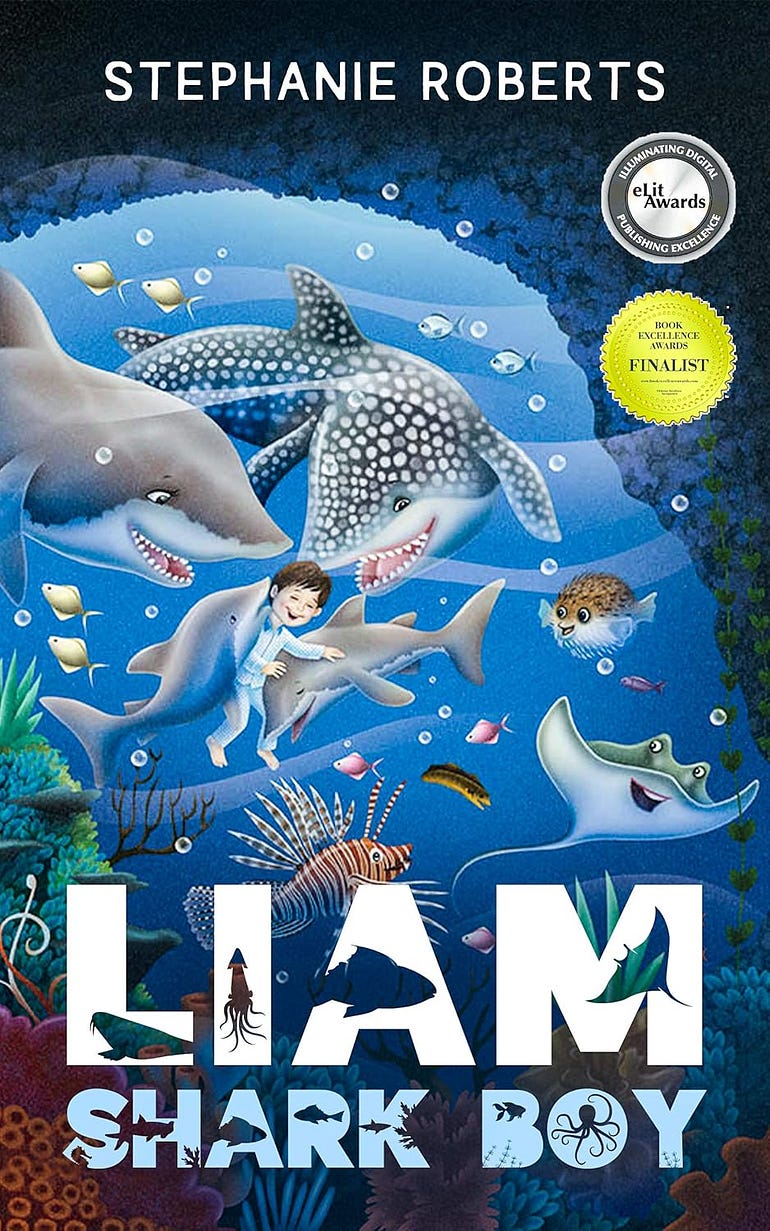
Liam Shark Boy ~ Photo Property of Author
As I navigated this challenging path with my sister, I learned to appreciate the small victories — the moments of clarity, the occasional smile, and the rare, lucid conversation.
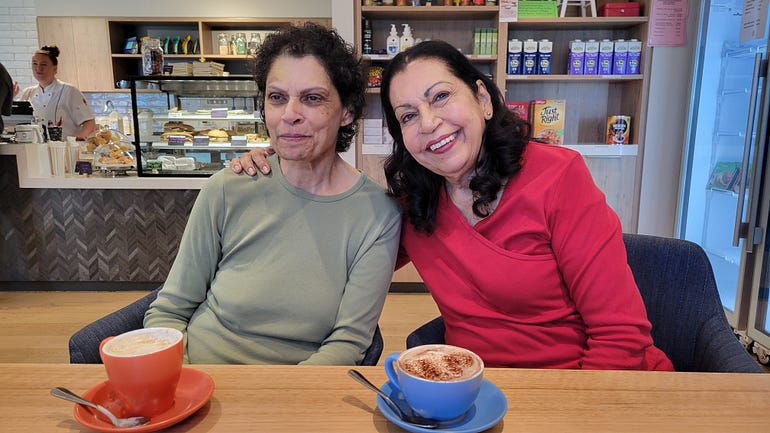
Photo Property of the Author
Alzheimer’s was a formidable foe, yet it also became a catalyst for the bond I had always desired.
Thanks for reading dear friends and sisters ღ.
© Stephanie Roberts
—
This post was previously published on MEDIUM.COM.

You may also like these posts on The Good Men Project:
 Escape the Act Like a Man Box Escape the Act Like a Man Box |
 |
 |
 |
—
Photo credit: Author

