


—
This content is for informational purposes only and is not intended to provide medical advice.
The Science Behind Varicose Veins: Causes and Symptoms
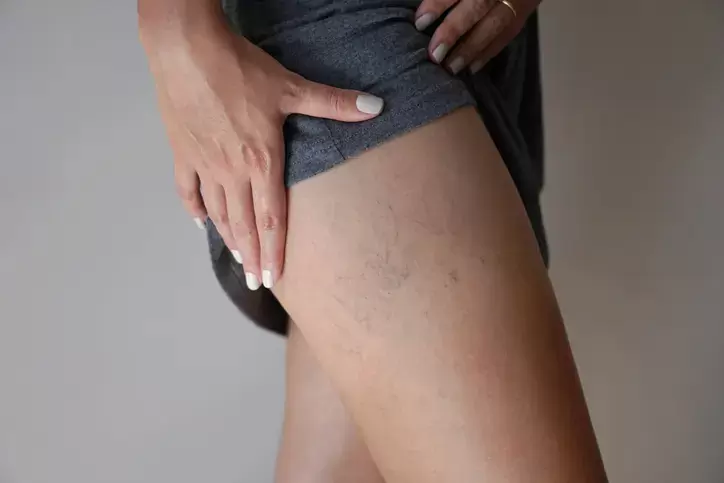
Varicose veins are enlarged, twisting veins that often appear bluish-purple or dark red on the surface of the skin. They arise from a failure in the venous system, specifically, the valves that are supposed to facilitate blood flow against gravity. Normally, these valves open to allow blood to flow toward the heart and close to prevent it from flowing backward. When they become weak or damaged, blood accumulates in the veins, leading to their characteristic swelling and discoloration. Common symptoms associated with varicose veins include a heavy or aching sensation in the legs, swelling, and discomfort that often worsens after long periods of standing or sitting. In more severe cases, they can lead to complications such as skin changes, venous ulcers, or even thrombophlebitis—an inflammation of the vein caused by a blood clot.
Who’s at Risk? Unpacking Contributing Factors
Several factors increase the likelihood of developing varicose veins. Genetics plays a significant role; if one or both parents experience this condition, their children are likely to follow suit. Age is a critical factor as well; the risk escalates as one gets older due to the gradual weakening of vein walls over time. Hormonal changes during pregnancy, menopause, or while using birth control pills can also heighten the risk by affecting the vein structure. Lifestyle choices, including obesity, a sedentary lifestyle, or occupations that require prolonged standing, further contribute to the condition. It is essential to recognize that while these factors enhance the risk, they do not guarantee the occurrence of varicose veins, emphasizing the need for awareness and proactive health measures.
Myth-Busting: Common Misconceptions About Varicose Veins
There is a notable amount of misinformation surrounding varicose veins, which can perpetuate stigma and misunderstandings. One prevalent myth is that varicose veins are purely a cosmetic concern; while they can indeed affect appearance, they can also lead to significant discomfort and potential complications. Another misconception is that varicose veins only affect older adults; in reality, they can develop in individuals of any age, particularly those with risk factors. Additionally, some people believe that women are the only ones affected by varicose veins, but men are also at risk. Lastly, there’s a common belief that exercise worsens varicose veins, whereas engaging in regular, moderate physical activity can actually improve circulation and reduce symptoms. Busting these myths can empower individuals to seek the appropriate treatment and lifestyle modifications.
Natural Remedies: Holistic Approaches to Soothe Your Veins
The Role of Diet and Hydration in Vein Health
A balanced diet of fiber, antioxidants, and essential nutrients is instrumental in maintaining vein health. Foods high in fiber, such as fruits, vegetables, legumes, and whole grains, help prevent constipation, a condition that can worsen varicose veins. Furthermore, maintaining a healthy weight is crucial; excess weight places additional pressure on veins, exacerbating symptoms. Diets should also incorporate anti-inflammatory foods, such as fatty fish rich in omega-3 fatty acids, nuts, and seeds to promote proper blood circulation and reduce inflammation. Equally important is hydration; drinking adequate amounts of water helps maintain optimal blood viscosity. Dehydration can lead to thicker blood, further complicating circulation. Thus, focusing on diet and hydration is essential in comprehensive vein care and can act as a preventative measure against the development of varicose veins.
Herbal Allies: Nature’s Best for Circulatory Wellness
Several herbs have demonstrated benefits in enhancing vascular health and promoting circulation. Horse chestnut seed extract is one of the most studied herbal remedies, known for its ability to strengthen vein walls and improve blood flow. Another popular herbal option is witch hazel, which contains tannins that can reduce swelling and improve skin health. Grape seed extract, rich in oligomeric proanthocyanidins (OPCs), is noted for its antioxidant properties, bolstering collagen production and supporting vein structure. Additionally, flavonoid-rich foods like berries can enhance capillary integrity while reducing inflammation. Incorporating these herbs and foods into your diet or as supplements can significantly contribute to overall circulatory wellness and relieve varicose vein symptoms.
Mindfulness and Movement: Yoga and Exercises for Relief
Regular physical activity is essential in managing varicose veins, as exercise promotes proper blood flow and helps maintain a healthy weight. Yoga, in particular, offers gentle movements that can improve circulation and engage the muscles in the legs. Poses such as legs-up-the-wall (Viparita Karani) and downward-facing dog (Adho Mukha Svanasana) allow gravity to facilitate blood flow back to the upper body, relieving pressure in the lower limbs. Furthermore, low-impact aerobic activities like swimming, walking, and cycling help strengthen the calves, which is vital in venous return. Practicing these movements with mindful breathing techniques can enhance relaxation and combat stress, which is beneficial since emotional stress is linked to physical symptoms of varicose veins.
Medical Treatments: Navigating Your Options
From Compression Stockings to Laser Therapy: What Works?
Compression therapy is often the first line of defense for managing varicose veins. Graduated compression stockings are designed to exert higher pressure at the ankle and gradually decrease up the leg, facilitating improved blood circulation and reducing swelling. While highly effective for symptom management, compression stockings do not treat the root cause of varicose veins. For more severe cases, several medical treatments may be employed. Laser therapy uses focused light energy to close off affected veins, causing them to fade while reducing discomfort. This minimally invasive approach requires no incisions, allowing for quicker recovery compared to traditional surgical options. Additionally, the advent of endovenous laser ablation and radiofrequency ablation have revolutionized vein treatment, providing effective alternatives with similar outcomes. Understanding these options empowers patients to make informed decisions regarding their care.
Understanding Sclerotherapy: The Procedure Explained
Sclerotherapy is a cornerstone varicose vein treatment due to its effectiveness and relatively quick procedure time. During the treatment, a sclerosant solution is injected directly into the affected vein, causing it to collapse and eventually be reabsorbed by the body. This technique has become increasingly popular due to its minimally invasive nature and the effectiveness in treating both spider veins and larger varicosities. While sclerotherapy is generally well-tolerated, patients may experience mild discomfort or bruising at the injection site. Typically, multiple sessions are needed for optimal results, and patients are encouraged to wear compression stockings post-treatment to aid healing and enhance outcomes. Engaging in a thorough consultation with a qualified healthcare provider can clarify expectations and outcomes of sclerotherapy.
When Surgery Becomes Necessary: A Deep Dive
In cases where varicose veins cause severe symptoms or complications, surgical intervention may be required. Options for surgical treatment include vein stripping, which involves the removal of major veins in the leg, and ligation, which ties off problematic veins to redirect blood flow to healthier vessels. These procedures, while invasive, can yield significant relief and improve overall leg function. Advances in surgical techniques have resulted in shorter recovery times and less postoperative discomfort than in years past. It is important for patients to weigh the risks and benefits and engage in a detailed discussion with their healthcare provider to determine the most appropriate course of action based on their individual condition and overall health.
Beyond Treatment: Lifestyle Changes for Lasting Relief
Daily Habits to Combat Venous Insufficiency
Implementing small yet impactful daily habits can make a significant difference in managing varicose veins. Elevating the legs for short periods throughout the day, wearing loose and comfortable clothing, and avoiding prolonged periods of sitting or standing can greatly reduce discomfort. It is also advisable to avoid crossing the legs when sitting, as this position can compromise circulation. Managing weight through balanced nutrition and regular physical activity is vital for reducing pressure on veins. Moreover, avoiding excessive heat exposure, such as hot baths or saunas, is recommended since heat can cause veins to dilate, worsening symptoms. Incorporating these habits into one’s daily routine can foster a healthier vascular system and alleviate symptoms of venous insufficiency.
Fashion Meets Function: Choosing the Right Shoes
Footwear plays a surprisingly key role in managing varicose veins. Shoes that provide adequate support and cushioning minimize the strain on the legs and enhance overall comfort. High-heeled shoes should be avoided, as they can shift body weight down to the toes and impede blood circulation. Instead, opt for shoes with a low heel, arch support, and breathable materials. Brands that offer orthopedic or comfort shoe lines genuinely cater to those in need of supportive footwear. Additionally, it is wise to avoid tight footwear that constricts blood flow. Investing in proper footwear can greatly enhance comfort and provide an additional layer of support in the management of varicose veins.
Staying Active: Exercise Routines for Healthy Circulation
A commitment to regular exercise is paramount for maintaining healthy circulation and promoting vein health. Low-impact aerobic exercises, such as walking, cycling, and swimming, increase heart rate and blood circulation without placing undue strain on the joints. Strength training, focusing on the legs, can further enhance venous support by building muscle and promoting functional movement. Additionally, incorporating stretching routines helps to keep muscles flexible and enhances blood flow. Activities like Pilates or yoga can create a balanced regimen that emphasizes both strength and flexibility, integral components for veinal health. By establishing a consistent exercise routine, individuals can not only alleviate symptoms but actively combat the progression of varicose veins.
—

