


—
Why Children May Be More Vulnerable
Children normally have more contact with floors, carpets, furniture, and other places where dust collects. Moreover, younger children often touch things and put their hands near their mouth.
Once pests get into the dust at home, this activity will make it possible for them to get into contact with the dust.
The airways of children are also smaller compared to those of adults. Asthma can result in the inflammation and narrowing of the airways, thereby causing symptoms such as coughing, wheezing, chest tightness, or difficulty in breathing. A child who is allergic to pests will react when the allergens in the pests are disturbed and are put in the air.
Parents have to seek professional help from a healthcare provider to determine what causes asthma in the child. The presence of pests is one of the potential sources but not the only one.
Cockroaches Can Leave Allergens Behind
Cockroaches are among the household pests most frequently connected with asthma concerns.
Proteins found in cockroach droppings, saliva, shed body parts, and skin can cause allergic reactions or trigger asthma symptoms in some people. The U.S. Environmental Protection Agency includes cockroaches and other pests among the common indoor asthma triggers families should control.
Cockroach allergens may collect in places such as:
- Carpets and rugs
- Bedding and mattresses
- Upholstered furniture
- Kitchen cabinets
- Cracks along walls
- Areas beneath appliances
- Heating and ventilation pathways
However, the elimination of insects does not necessarily eliminate the allergens. The excrement and shed parts of these pests can still be present even when the level of infestation has decreased.
This is why cleaning and preventive measures should also be included in the process.
Mice and Rats May Also Affect Indoor Air
Rodents deposit urine, feces, hair, dander, and nesting materials in areas that families seldom check for signs of infestation.
They may be active behind walls, under kitchen cabinets, in storage areas, in the attic space, or in the utility space. As these items dry, tiny particles may become airborne along with dust.
Failure to observe proper safety precautions when sweeping or vacuuming rodent droppings can also cause disturbance of contaminated materials. For homeowners with extensive rodent infestations, it would be wise to consult trusted sources on cleaning up instead of treating the situation as just any other dirty house.
The problem does not apply only to visibly dirty houses. Mice are able to get into tiny openings and could find food, water, and places to hide in any property.
Warning Signs That Should Not Be Ignored
Pest activity often begins in hidden areas, so families may notice indirect evidence before seeing a live insect or rodent.
Possible signs include:
- Small droppings in cabinets or drawers
- Greasy marks along walls
- Scratching sounds at night
- Damaged food packaging
- Unusual odors in enclosed spaces
- Cockroach skins or egg cases
- Crumbs or food debris disappearing overnight
- A child’s symptoms becoming worse in a particular room
These symptoms cannot be taken to mean that the child is developing asthma symptoms because of pests but indicate the need for an inspection to determine the source of these symptoms.
It may also be helpful for the parents to take into account when the symptoms develop. A pattern associated with a particular room, building or indoor activity can assist in evaluating the triggers of the condition.
Why Spraying Alone May Not Solve the Problem
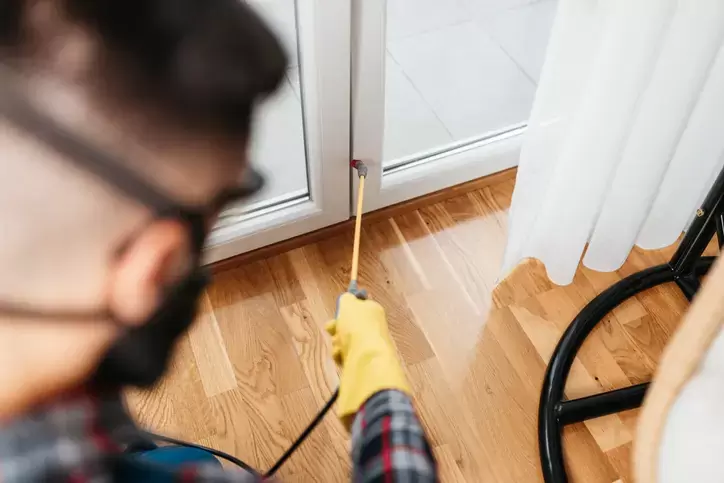
Grabbing an aerosol spray seems to be the most immediate solution, but spraying the pests seen with the naked eye does not always hit the nest, breeding site, or entrance of the pest.
There may also be other problems associated with the strong odor of chemicals, especially if one has allergies. It is important to use any chemical as per the instructions on the label.
A broader approach usually includes:
- Identifying the pest correctly
- Finding where it enters or hides
- Removing accessible food and water
- Repairing leaks
- Sealing cracks and openings
- Cleaning allergen-contaminated areas appropriately
- Using targeted treatments only where needed
- Monitoring for renewed activity
This approach has the name of integrated pest management. It emphasizes the need to correct the environment conducive to pests rather than relying entirely on chemicals.
Food, Water, and Shelter Keep Pest Problems Going
Household pests generally need three fundamental things for survival: food, water, and shelter.
These could be crumbs under the appliances, accessible garbage bins, pet food, leaks, wet cabinets, or clutter. Families do not have to have an immaculate house; just certain practices could help create conditions less favorable for the pests.
The food needs to be stored in sealed containers. Plates and any spilled items should be wiped up immediately. Waste bins need lids that are tightly fitted, and leaking taps should be fixed.
Cockroaches and rodents can hide in cardboard containers or overcrowded storage places. Elimination of unnecessary clutter is also essential.
Consider What Is Happening at School
A child may encounter pest allergens outside the home as well.
Schools, childcare centers, apartment common areas, relatives’ homes, and recreational buildings may all contain cockroach or rodent allergens. The Centers for Disease Control and Prevention’s archived guidance on environmental triggers of asthma notes the relationship between cockroach exposure and increased asthma problems among sensitized children.
When a child’s symptoms seem connected with a particular building, parents can document the pattern and discuss it with both the child’s healthcare provider and the person responsible for maintaining the property.
The goal should be cooperation rather than blame. Pest activity can remain hidden, and building managers may not know that a problem exists until someone reports clear evidence.
When Professional Pest Control May Be Appropriate
A small, isolated issue may sometimes be corrected through cleaning, repairs, and exclusion. Recurring or widespread activity often requires a more detailed inspection.
A pest professional can help identify:
- The species involved
- Likely nesting or breeding locations
- Entry points around the structure
- Moisture and sanitation conditions
- The extent of the infestation
- Treatment options suitable for the property
Companies such as Simcoe PestX provide information about professional pest control, inspections, exclusion, and treatment options for common household pests. The most useful professional approach should address both the active infestation and the conditions allowing it to continue.
A Healthier Home Requires More Than One Fix
There is generally not one family change that will manage all triggers for asthma.
Multiple factors may have to be managed simultaneously, including insects, humidity, mold, smoke, dust, pet dander, and inadequate ventilation. What needs to take precedence depends on the child and the house, as well as what the medical professional recommends.
Insect prevention must thus be seen as just one aspect of a broader health strategy indoors.
Some insects or even feces should not instill fear in anyone. Rather, it should prompt one to be observant and act immediately. This would involve identifying the insect, ridding oneself of the factors that support its survival, cleaning the infested area, and getting the right assistance.
For an asthmatic child, these measures could assist in providing him/her with a clean and comfortable living environment.
—

