


—
According to recent statistics, more than 60% of homeowners conducting an investigation into surveillance systems face the problem of determining which characteristics to look for in an ideal CCTV security camera. Selecting the right CCTV security camera involves considering various factors, such as coverage requirements, image quality, camera placement, storage solutions, and environmental conditions, to ensure alignment with security objectives.
Users can end up with blind spots and substandard footage if they don’t have this information. This comprises risk evaluation, coverage area identification, camera features comparison, and installation location planning. The framework details the different types of cameras, the storage methods available, the different ways they can be positioned, and which features to consider when choosing the camera for security decisions.
Step-by-Step Guide to Choose CCTV Security Cameras
Here are the steps to follow when choosing CCTV Security Cameras:
Step 1: Define Your Security Objectives
The initial step is to outline your security objectives. The first is to establish your security goals. Firstly, determine the objects that you want the cameras to watch. Surveillance is needed for some people at entry points. Others require coverage for parking areas, warehouses, or outside areas. Having clear objectives will help you limit your choices.
Ask yourself:
- Which of the areas listed above requires monitoring?
- What type of surveillance do you need (indoor or outdoor)?
- Are you going to be keeping track of people, vehicles, or both?
- Are you looking for footage to identify or to view in general?
Step 2: Assess Your Property Layout
For what it’s worth, here are a few tips for evaluating the layout of your property in Step 2.
Take a tour of the property to determine the significant areas.
Focus on:
- Main entrances
- Back doors
- Driveways
- Parking lots
- Hallways
- Storage rooms
- Perimeter boundaries
A property assessment is used to assess needs for camera placement/coverage.
Understanding Planning and Coverage Requirements
Planning a security camera system requires a detailed assessment of the property, coverage requirements, camera locations, network infrastructure, and monitoring objectives. Professionals involved in commercial security installation kansas city projects typically begin by evaluating site conditions, identifying vulnerable areas, estimating equipment requirements, and reviewing installation constraints before finalizing the system design. This planning process helps create effective camera coverage, optimize device placement, and reduce blind spots while ensuring the security system aligns with the operational needs of the facility.
Step 3: Evaluate Environmental Conditions
The environment has an impact on the camera’s performance.
Consider:
- Sunlight exposure
- Rain and moisture
- Dust levels
- Temperature changes
- Lighting conditions
It is usually necessary to provide more protection in outdoor settings than in indoor settings.
Step 4: Compare Essential Camera Features
Make sure that you are looking at more of the requirements and less of the specifications.
Evaluate:
- Resolution
- Field of view
- Night visibility
- Motion detection capability
- Recording options
- Connectivity methods
It’s all about what security goals you have.
How Camera Resolution Influences Surveillance Quality
The resolution of cameras affects the quality of the surveillance system. The more resolution, the clearer the image will be. But it should not be the only consideration for resolution.
When High Resolution Is Necessary
The higher the resolution, the better in the following situations:
- Large parking areas
- Building entrances
- Vehicle monitoring
- Long-distance observation
The more details you can provide in the image, the better you will be able to identify it.
Why Resolution Alone Is Not Enough
There are other factors that affect the quality of the image, such as:
- Lens quality
- Lighting conditions
- Camera placement
- Motion handling
A good balance gives better results than one that is solely based on resolution.
Understanding Field of View
- The field of view of the camera is the area that the camera covers.
- The bigger the viewing angle, the wider the space that it can cover.
- The narrower the viewing angle, the more detailed at a longer distance.
- With a proper field of view, no coverage gaps will be there.
CCTV Camera Feature Comparison Table
The comparison below can be used to correlate features of the camera with the objectives of surveillance.
| Type | Ability to monitor basic data | Ability to monitor identification data | Ability to monitor data from a wide area |
| Use of the information produced by the system | Maybe | Yes | Yes |
| A number of zones are required to store the data for a long time | Low | Medium | High |
| Field of View (FOV) | Wide (FOV 60°) | Medium (FOV 40°) | Wide (FOV 60°) |
| Frequency of occurrence during the night | Medium | High | High |
| Detail Capture | Activity Monitoring | Facial Recognition Support | Area Observation |
This comparison shows the differences in the objectives of surveillance and the cameras needed.
Which CCTV Camera Type Fits Different Security Needs?
There are various camera designs available, and they are used to accomplish various monitoring objectives. Choices should be made based on the environment.
Fixed Cameras for Consistent Monitoring
A fixed camera is mounted, and it captures images of a particular location continuously.
Common applications include:
- Entrances
- Hallways
- Reception areas
- Loading zones
They offer consistent coverage.
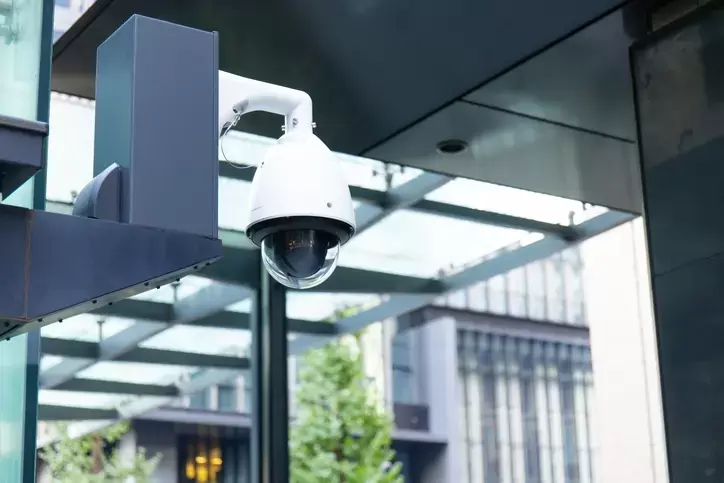
Pan-Tilt-Zoom Cameras for Flexible Viewing
The movement and directional adjustment of these cameras is possible.
They often support:
- Large facilities
- Parking areas
- Warehouses
- Outdoor sites
They are useful for monitoring larger areas from fewer sites.
Indoor and Outdoor Camera Considerations
There are more environmental issues to deal with for outdoor cameras.
These include:
- Rain
- Dust
- Wind
- Temperature fluctuations
Take into account exposure to the environment before installation.
Wired vs Wireless CCTV Cameras: Which Option Fits Your Environment?
Connectivity has an impact on reliability and flexibility.
There are advantages to each of the approaches.
Advantages of Wired CCTV Cameras
The transmission of information is stable in wired systems.
Benefits include:
- Consistent video transmission
- Reduced signal interference
- Reliable long-term operation
Can be highly effective in bigger facilities.
Advantages of Wireless CCTV Cameras
Wireless systems can be installed in a variety of ways.
Benefits include:
- Easier placement
- Reduced cabling requirements
- Flexibility to different layouts.
They can be used in areas where the installation of cables is challenging.
Factors to Evaluate Before Choosing
A few points to take into account before you choose a connection method:
- Property size
- Signal reliability
- Internet availability
- Future expansion plans
These factors have an impact on the long-term performance.
How Storage Methods Affect CCTV Camera Performance
There are various ways of recording that are used to fulfil different operational needs.
Local Storage Systems
Footage is stored on-site in local storage.
Benefits include:
- Immediate access
- Reduced internet dependency
- Direct footage control
Local storage is used for many facilities for routine monitoring.
Cloud-Based Storage Systems
When using cloud storage, footage is stored on servers in the cloud.
Benefits include:
- Remote accessibility
- Off-site backup
- Flexible access management
Access to a reliable Internet connection is still crucial to this strategy.
Which Storage Method Supports Your Security Goals?
The response is based on:
- Retention requirements
- Accessibility needs
- Security policies
- Network infrastructure
Assess operational requirements and decide on the storage method.
How to Choose CCTV Security Cameras for Day and Night Monitoring
Lighting conditions have a great impact on the quality of surveillance. There are lots of security incidents that happen when it’s dark.
Why Low-Light Performance Matters
A good low-light performance will result in better visibility of the image.
This will be important at:
- Evening hours
- Early mornings
- Indoor low-light conditions
- Overcast weather
Increased visibility, better incident documentation.
Managing Backlighting and Glare
Bright lights will affect the clarity of the images taken.
Examples include:
- Vehicle headlights
- Sunlight through windows
- Floodlights
Appropriate positioning of the camera results in fewer problems with glare.
Avoiding Nighttime Blind Spots
Assess property at various times throughout the day.
Observe:
- Shadows
- Reflections
- Light transitions
This assessment will assist in maintaining consistency of coverage.
How to Match CCTV Camera Features to Different Property Types
There are unique issues involved in surveillance in different environments.
Just as with any other musical instrument, there should be a consideration of what is required for an operation.
Small Residential Properties
Focus on:
- Front entrances
- Rear access points
- Driveways
- Garages
Common blind spots should be eliminated through coverage.
Office Buildings
Monitor:
- Entrances
- Reception areas
- Hallways
- Restricted-access rooms
Coverage should be able to provide security for day-to-day operations.
Warehouses and Industrial Sites
Important areas include:
- Loading docks
- Inventory storage zones
- Equipment areas
- Vehicle routes
Choosing a wide coverage may be important.
Large Outdoor Facilities
The large outdoor areas need to be addressed for:
- Distance visibility
- Weather conditions
- Perimeter monitoring
- Lighting changes
Planning for coverage becomes of critical importance.
Common Mistakes People Make When Choosing CCTV Security Cameras
There are many problems with surveillance that arise from planning errors. The common errors are known and can be used to aid decision-making:
Choosing Cameras Before Assessing Risks
It is a rule of thumb that you should always start with a risk assessment. Always make camera selection based on security objectives.
Ignoring Future Expansion
Security needs tend to change over time.
Plan for:
- Additional cameras
- Expanded coverage
- New monitoring zones
Costly upgrades are avoided in the future through planning.
Poor Camera Placement
The effectiveness of any placement is directly related to the placement.
Common mistakes include:
- Obstructed views
- Excessive mounting height
- Strong backlighting
- Limited coverage angles
Optimizing the position for surveillance enhances the quality of surveillance.
Focusing Only on Technical Specifications
Technical features matter. But in reality, there’s more to it. Always link specifications to the real security requirements.
Conclusion
It’s crucial to carefully plan and objectively assess the options when selecting a surveillance system. The right camera for the job will be determined by the security goals, the extent of coverage, environment, storage requirements, security connectivity, and lighting. When it comes to selecting CCTV security cameras, it is essential to understand how to select the right ones to ensure that the surveillance system is effective and efficient.
Choosing CCTV security cameras system is a crucial part of ensuring that a surveillance system is effective and efficient, and understanding how to select the right one can help minimize blind spots and operational limitations.
The combination of technology, placement, and long-term planning is all part of a successful security strategy. The best surveillance solution is one that matches the type of surveillance that will best address the risks and monitoring requirements of the environment being protected.
Frequently Asked Questions
What are some of the things to take into account before deciding on CCTV security cameras?
The first step is to determine what you are looking to see with your surveillance. Identify the things that need to be monitored and how much information you need. Next, assess the lighting requirements, environmental conditions and storage requirements. All these factors can serve as great bases for choosing a camera.
Will the camera be suitable for all types of properties and locations?
Wireless cameras have proven effective in most environments, but may not be best for all situations. These can impact performance depending on property size, signal strength, internet reliability and structural barriers. Assess site conditions and determine appropriate connectivity methods.
—

