


—
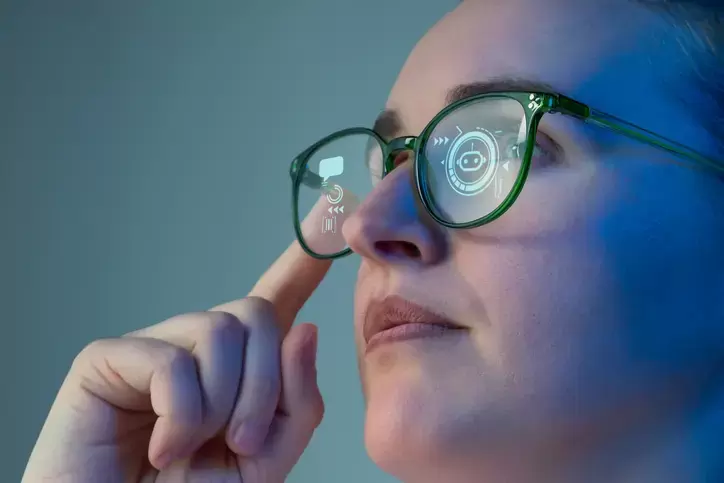
In 2025, smart glasses are getting serious attention across New Zealand. They’ve busted out of sci-fi and landed in the real world — showing up in shops, on worksites, and even as part of everyday kit. With big players like Meta and Bose in the mix, plus fresh contenders like Xreal having a crack, Kiwis are keen to see what this gear can really do.
Notable Models Lighting up the Market
The smart glasses scene is fast expanding. Here’s a look at some headline-makers:
| Model | Brand | Key Features |
| Ray-Ban Meta Wayfarer | Meta | Voice assistant, live captions, 5-mic audio array |
| Bose Frames Tempo | Bose | Open-ear directional audio |
| Xreal Air | Brand: Xreal | Ultra-light design, 1080p virtual screen, USB-C compatible |
| Vuzix Shield | Vuzix | Rugged outdoor build, hands‑free AR, barcode scanning |
Users report the Meta Wayfarer is their go-to for urban commutes—hands-free messages, phone calls, and info overlays without digging for a phone. Meanwhile, creators favour the Xreal Air for streaming via USB-C or the Xreal Beam adapter, granting a 100-inch virtual display experience on the beach or in a hostel. Bose’s open-ear audio design caters to those chasing atmosphere over visuals, especially during outdoor exploration.
Online Play Meets Offline Innovation
Not all smart-glass users are focused on productivity or adventure. After a long day exploring, many are winding down with a bit of casual online entertainment. Platforms such as promotions without deposit needed online are optimised for mobile use and can be accessed through smart glasses to offer immersive, hands-free sessions.
For example, NZers can check out the best online casino New Zealand has to offer from there while wearing smart glasses. While others stream live gaming events, exploring a curated collection of no deposit Casino pokies or high-stakes rounds. And among all this immersive play, users remain connected to the latest titles and offers provided by no deposit bonus Casino New Zealand, often triggered by location-based bonuses as they move between hotels and outdoor locations.
This kind of use illustrates how entertainment and smart tech are blending seamlessly into relaxation time. No need to clutch a phone or tablet—just sip a drink, glance at the lens, and stay in the loop with games, rewards, and progress.
Why New Zealanders are Buying in
Smart glasses aren’t just a novelty anymore — they’re solving real, everyday problems across the country. From city streets to remote job sites, more New Zealanders are giving them a fair go.
- Hands-free convenience: Weather updates and directions bypass the need to handle a smartphone when hiking the Southern Alps or walking the Auckland waterfront.
- Safe communication: Audio captions and voice commands mean you don’t need to stare at a tiny screen while driving or cycling.
- Open-ear audio navigation has been praised at multi-cultural markets.
- Workplace use: Shield-powered barcode readers and remote assistance are finding use in construction sites, logistics hubs, and warehouse settings.
The wearability and durability of these glasses are improving too. Early complaints about bulk have been replaced by sleeker designs. Retailers in Auckland and Wellington are stocking them in boutique tech shops rather than only premium dealers.
Challenges and Future Prospects
Despite growing enthusiasm, a few hurdles remain. Battery life is short—four to six hours of typical use before recharge. Privacy concerns persist as cameras embedded in glasses could record without consent. Finally, pricing remains high—NZD 450–900 for premium models—while many NZers still prefer to wait for the tech to mature.
That said, those working in hands-on industries—construction, logistics, field services—find smart glasses hugely beneficial. Bosses are starting to shout about smart glasses perks like discounts or even rental deals. At the same time, consumer models keep getting slicker with updates — think gesture controls, better battery smarts, and lighter frames that don’t weigh your head down.
Smarter, Lighter, and More Kiwis Than Ever
From bushwalks to boardrooms, NZers are finding more ways to put smart glasses to work. The next wave of upgrades is set to make them even more useful, wearable, and local-friendly.
- Next-gen cameras for clearer video calls and lightweight still imagery
- Extended battery modules built into temple arms to stretch usage to 8–10 hours
- Customisable lens options (prescription, polarised, UV-protective)
- Localised voice assistants trained to recognise New Zealand accents and slang
Smart glasses are still pretty fresh on the scene, but they’re already changing how Kiwis get through the day. Whether you’re hiking the bush, cruising through the city, or kicking back with some online entertainment, this mix of movement and smart tech is opening up new ways to live and play. With prices dropping and the gear getting comfier, it won’t be long before these specs are just part of the everyday kit — not some niche toy.
—

