


—
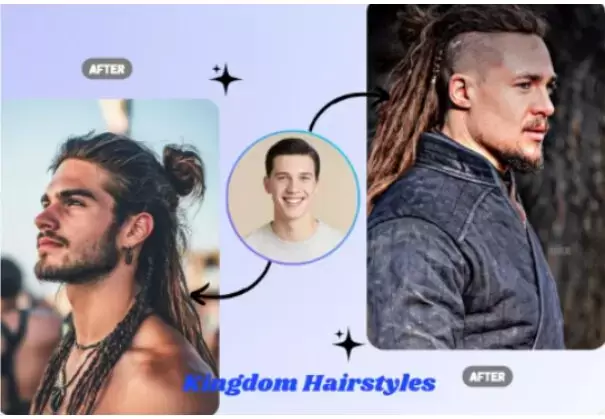
Changing your hairstyle can feel exciting—but also risky. A new cut or color can completely refresh your appearance, yet many people hesitate because they’re unsure how the final result will look. Today, digital tools powered by ai face hair style technology are helping reduce that uncertainty by offering realistic previews tailored to your own facial features and hair characteristics.
Instead of guessing whether curtain bangs, a blunt bob, or layered waves will suit you, AI-based simulations allow you to experiment virtually before making a real commitment. This shift is gradually influencing how people approach salon visits, consultations, and even personal style discovery.
Why AI Hairstyle Tools Are Gaining Attention
AI hairstyle tools are getting attention for one simple reason: they make “high-risk” hair decisions feel more predictable. Instead of relying on inspiration photos or guessing how a cut will translate to your face, you can preview shapes, lengths, and fringe options directly on your own image—before you commit.
In everyday use, previews tend to feel most helpful for common, wearable styles (like lobs, curtain bangs, layered waves, or clean bobs), especially when your photo is front-facing, well-lit, and unfiltered. Results can look less consistent when the change is extreme (very short cuts, dramatic color shifts) or when hair details are hard to read (strong shadows, heavy styling, busy backgrounds).
The best way to treat an AI preview is as a decision aid and communication tool:
- Use it to narrow your options (shape, length, fringe vs. no fringe).
- Save your top 2–3 variations and compare them side by side.
- Bring the previews to your stylist so you can discuss what’s realistic for your texture, density, and daily routine.
Starting with Face Shape: A Foundational Step
Before selecting a hairstyle, understanding your face shape is helpful. Balanced proportions often lead to more flattering results. An AI face shape analyzer can assist by measuring facial ratios and suggesting style directions.
While these tools offer guidance rather than strict rules, they provide a structured starting point.
Face Shape-Based Style Directions
Oval Face
Often adaptable to many styles. Long layers, soft waves, and blunt cuts can all work well. The goal is maintaining balance rather than correcting proportions.
Round Face
Styles that add height at the crown and reduce width at the sides may create a more elongated look. Long layers or angled lobs are commonly suggested.
Square Face
Soft textures, waves, and layered cuts can complement defined jawlines. Avoiding overly sharp edges may create a more harmonious appearance.
Heart-Shaped Face
Chin-length styles or layered cuts that add fullness near the jawline can balance a wider forehead.
Long Face
Medium-length cuts with volume on the sides or fringe may visually reduce length.
AI previews allow you to see these adjustments instantly instead of imagining them.
Hair Density and Texture: The Overlooked Factors
Not every hairstyle behaves the same way on different hair types. This is where ai face hair style simulations become especially practical.
By Hair Density
Fine Hair
Shorter styles or subtle layers may create the appearance of fullness. Very long, heavy styles can sometimes appear flat.
Medium Density Hair
Most styles are adaptable. Maintenance and styling routine become the deciding factors.
Thick Hair
Long layers or structured shaping may help manage volume and weight distribution.
By Hair Texture
Straight Hair
Blunt cuts highlight smoothness and shine.
Wavy Hair
Layering enhances natural movement.
Curly Hair
Shape and balance matter more than length alone. Volume placement is key.
Coily Hair
Structured cuts that respect natural shrinkage patterns tend to deliver more predictable outcomes.
When uploading a photo for simulation, ensure your natural texture is visible. Overly styled or tightly pulled-back hair can affect preview accuracy.
Choosing Styles by Occasion and Lifestyle
A haircut should fit your daily routine—not just look good in photos.
Professional Environments
Clean lines, manageable volume, and versatile lengths are often preferred.
Social or Formal Events
Polished waves, sleek straight styles, or elegant updos can create a refined look.
Active or Casual Lifestyles
Low-maintenance cuts that air-dry well are practical choices.
AI tools allow you to compare how the same haircut appears styled casually versus formally, helping you assess versatility.
How to Get Better AI Simulation Results
To improve preview accuracy, follow these steps:
- Use natural, even lighting.
- Keep your face fully visible.
- Avoid heavy shadows or filters.
- Maintain a neutral facial expression.
- Upload a high-resolution image.
- Test multiple lengths and variations.
- Compare at least three options side by side.
Platforms such as AI hairstyle try-on by FaceHair combine style simulation with facial mapping features to help users refine their choices more systematically.
Comparing Hairstyles Effectively
When reviewing different styles, ask yourself:
- Does this cut balance my facial proportions?
- Is the volume positioned correctly?
- Would this style fit my daily routine?
- How much styling effort would it require?
- Does it complement my hair’s natural movement?
Creating a simple comparison grid of your top three options can make differences clearer.
Talking to Your Hairstylist with Confidence
AI previews are best used as communication tools rather than final blueprints. Bringing visual references helps reduce misunderstandings.
Consider asking your stylist:
- “Is this realistic for my hair density?”
- “Would my texture behave similarly?”
- “Should we adjust the length slightly?”
- “How often would I need trims?”
- “What styling products would maintain this shape?”
Some salons observe that when clients bring structured references, conversations become more focused and productive.
Understanding the Limitations
Despite growing sophistication, AI previews have boundaries:
- Complex coloring techniques may appear simplified.
- Very short or extreme transformations may be less precise.
- Lighting differences can influence how colors appear.
- Highly textured or tightly curled hair may show variation depending on image clarity.
Reported accuracy ranges vary depending on conditions. High-quality images in good lighting generally yield better results.
Data Privacy Considerations
Uploading personal photos naturally raises security concerns. Before using any digital beauty tool:
- Review the platform’s privacy policy.
- Check whether images are stored or automatically deleted.
- Avoid sharing sensitive personal details in the background of your image.
As digital personalization grows, transparency in data handling is becoming increasingly important to users.
Practical Hair Care After Choosing a Style
Once you select a new look, maintenance plays a major role in achieving the desired appearance.
- Schedule regular trims to maintain structure.
- Choose styling products suitable for your density and texture.
- Use heat protection before applying hot tools.
- Adjust washing frequency based on scalp type and lifestyle.
Healthy-looking hair depends on consistent care and appropriate styling habits.
A Balanced Approach to Digital Styling
The growing adoption of ai face hair style tools reflects a broader shift toward personalized beauty decisions. Rather than replacing professional hairstylists, these tools support clearer communication and more informed experimentation.
When used thoughtfully—with realistic expectations and good lighting—AI simulations can reduce uncertainty and inspire confidence. Ultimately, the best hairstyle is one that complements your features, suits your routine, and feels authentic to you.
—
This content is brought to you by Sajid Saeed
Photo provided by the author.

