



The house echoes now, whenever I speak or the dogs bark.
Of course, there was always a bit of an echo, due to the tile floors, large windows, and open rooms. But when you box everything up and empty a house, there’s nothing left to absorb the life and sounds.
It becomes a desolate canyon, shouting back your words as if to plead, “How can you leave me?”
My wife Nicole and I were on holiday in Italy when we decided to sell our house and downsize. We were in Florence, sipping cold drinks at one of those delightful Piazza cafes. I remember making a silly joke and she pretended to stab me with her knife.
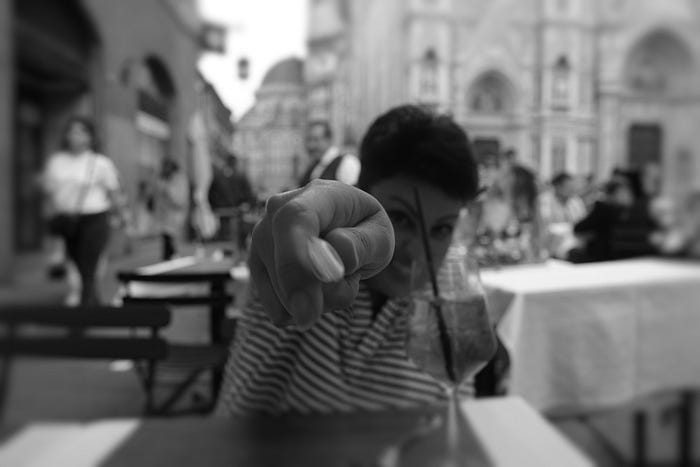
We laughed, enjoyed our drinks, and took in the architectural splendor and sense of antiquity that permeates Florence.

Still, cancer has a way of concentrating the mind.
One thinks of many outcomes, good and bad. One reevaluates what’s important, and what’s not.
Sipping her Bellini cocktail, Nicole shared how much she enjoys travel and our mutual appreciation for fine cuisine. We talked about our son, who will be graduating from University soon and embarking on a career in the Air Force.
We asked ourselves why we spend a fortune every month maintaining a big house, pool, guest house, and surrounding landscape. We seldom use the pool, and the money spent on it and the landscaping crew could be used for travel and eating out.
We’d rather spend money on experiences instead of house maintenance.
And so we resolved to sell our home and downsize. Doing so would mean losing the pool and landscaping expenses, as well as the time and energy required to clean, heat/air-condition, and manage a large home and guest house.
Saving money and gaining free time sounds good to both of us.
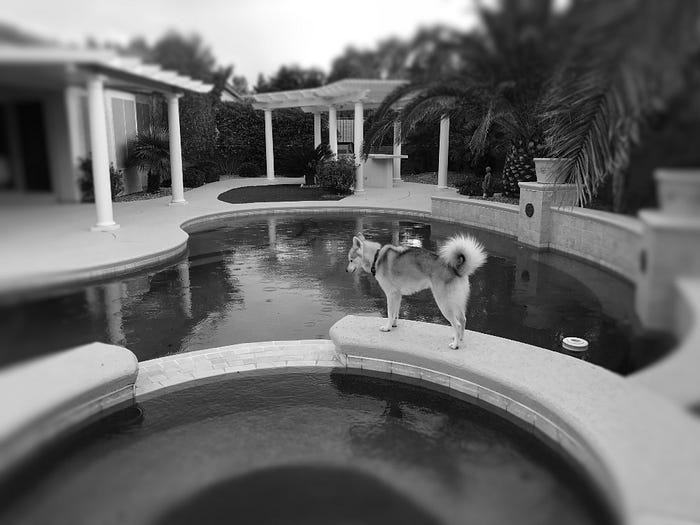
The minimalist in me loved the idea of simplifying our home and our lives. But what I didn’t anticipate is how change, and saying goodbye to the place we called home for the last five years, would make me feel.
Our homes become a part of us, and when we say goodbye, it’s like we’re leaving a part of ourselves behind.
Something has reached its end
Moving out of my parent’s house to embark on a career was easier.
I always knew I could come back and visit. My childhood home, and my parents, were still there. Little changed over the years, and visiting always felt familiar, safe, and reassuring.
But then my father’s health declined, and after his death, it became obvious that my mother was lonely and unable to manage the house by herself. So we moved her to the town I worked in, and she bought a smaller house.
Years later, when Parkinson’s disease eroded Mom’s mobility, she transitioned to an assisted living center in town and offered her house to my wife, son, and me. The timing was perfect, because her house was within walking distance of the high school, and my son just graduated from Middle School
It is always important to know when something has reached its end. Closing circles, shutting doors, finishing chapters, it doesn’t matter what we call it; what matters is to leave in the past those moments in life that are over. —Paulo Coelho, The Zahir
The years we spent in my mother’s house were good ones, and Nicole created a delightful garden in the backyard that became a kind of oasis and refuge from work and stress.
Sometimes I’d help with picking up leaves, but despite the photo below, Nicole deserves all credit for the garden’s design, upkeep, and beauty.
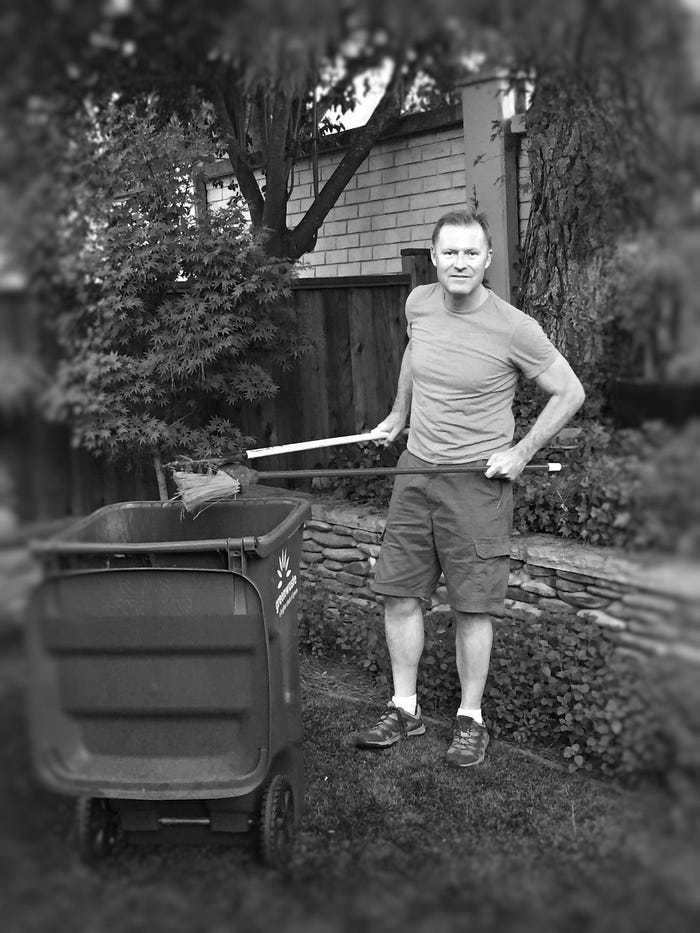
Time marched on, our lives evolved, and the winds of change danced through the grass and flowers in our garden. Our son graduated from high school, and soon after I retired from my career in law enforcement.
It was time to say goodbye to my mother’s house.
I think the hardest part was leaving the backyard garden that Nicole spent so much time building and maintaining. We decided to relocate to another state, where some of our retired friends landed, and where the tax climate and lifestyle amenities were more plentiful.
Everything reaches its end, sooner or later.
We leave something of ourselves behind
During my University days, each year I moved into a new dorm room and had a different roommate. It was fun decorating my rooms, and each one held great memories of studying, beer busts, and the carefree experiences of University life.
With graduation, I said goodbye to the University dorms and that memorable chapter of my life.
When I embarked on my law enforcement career, another rookie officer and I rented an apartment together. Other rented properties would follow until I got married and bought my first home, a condominium.
I loved that condo.
It sat above a riparian corridor and birds, squirrels, and raccoons would find their way to the deck looking for food. We’d leave out seeds and marvel at the diversity of different birds that came to visit.
We leave something of ourselves behind when we leave a place, we stay there, even though we go away. And there are things in us that we can find again only by going back there. —Pascal Mercier, Night Train to Lisbon
I transformed a corner of the condo into my art studio, where I spent many blissful evenings painting and listening to music.
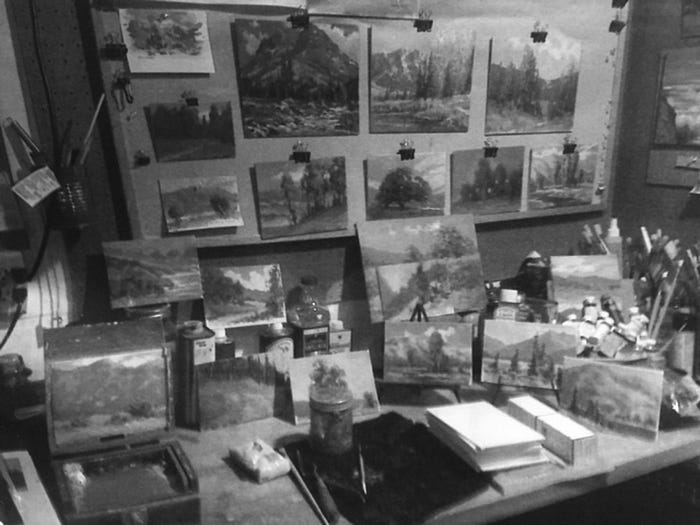
We leave a bit of ourselves behind in all the places we lived. In the woods behind my childhood home, there is an old Folger’s coffee can buried below an oak tree. Within the can rests the remains of my beloved cockatiel bird, Gabby, who was nearly twenty years old when he died.
Two of the family poodles and a few cats are also buried on the property of my childhood home, as well as numerous HotWheels cars and other long-lost toys.
I’ve driven past my childhood home a few times over the years, but the experience is bittersweet.
I guess it’s true that you can never really go home again. My family is not there anymore, and the old neighbors have passed on or moved away. Still, it’s where my childhood resides. A part of me is still there, building treehouses, asking Mom what’s for dinner, teasing my sister, and waiting for Dad to get home from work.
There are things I miss about each home I’ve lived in, and the same will hold true for the house I’m about to leave.
Never say goodbye
Yesterday I finished boxing up the last of our library books, and all the books in our bedroom and my office.
With my son’s help, we stored all the books in my mother-in-law’s garage.
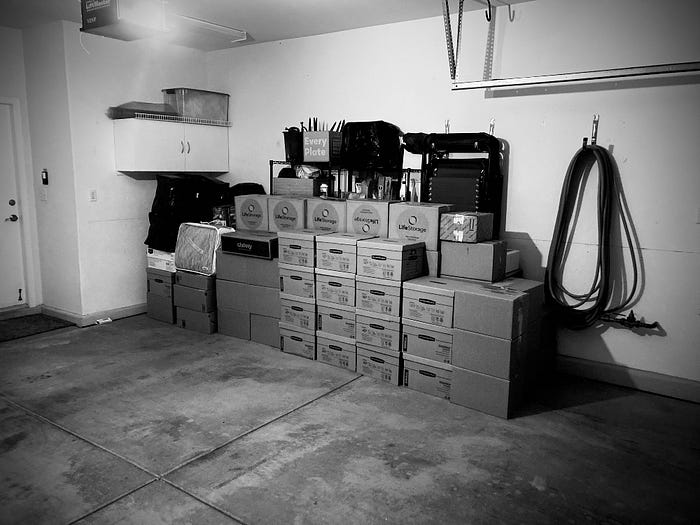
Seeing our entire library reduced to boxes in a garage is a kind of metaphor for the transitory nature of life. Everything and everyone seem to be forever moving on, from one place to another.
But we leave a piece of ourselves behind.
The empty bookshelves in our house have dust collected around the areas where the books used to be. An old oak tree behind my childhood house still has my initials carved in it. Our condo in California has my son’s hamster buried by the parking lot.
Remnants of the past. Evidence that we were there.
And soon, we will be moving into a new house. It’s a bit smaller but lovely and comfortable and ready to receive our family, with our hopes and dreams for the future.
And I suppose, someday, we’ll leave our new home, and who knows what vestiges of our time there we will leave behind. I guess it doesn’t matter, so long as they’re happy memories of love, laughter, and all of life’s simple pleasures.
Home may be where the heart is, but when we leave our homes, they always keep a piece of our hearts.
Before you go
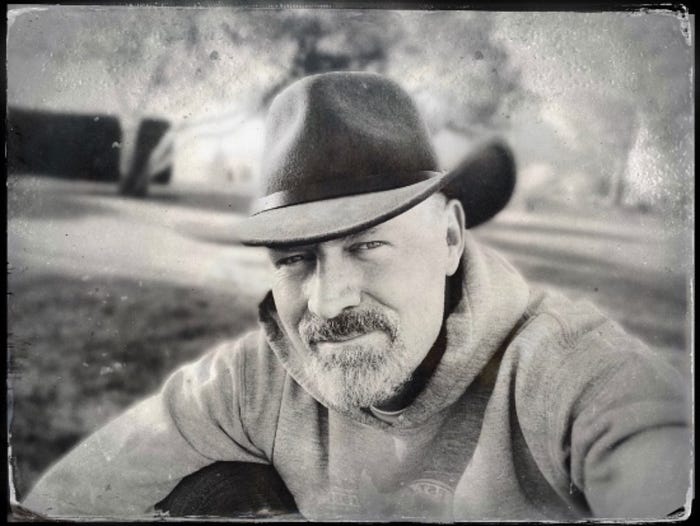
I’m John P. Weiss. I write elegant stories and essays about life. If you enjoyed this piece, check out my free weekend newsletter, The Saturday Letters.
—
This post was previously published on Medium.com.
***
You Might Also Like These From The Good Men Project
 |
 |
 |
 |
Join The Good Men Project as a Premium Member today.
All Premium Members get to view The Good Men Project with NO ADS.
A $50 annual membership gives you an all access pass. You can be a part of every call, group, class and community.
A $25 annual membership gives you access to one class, one Social Interest group and our online communities.
A $12 annual membership gives you access to our Friday calls with the publisher, our online community.
Register New Account
Need more info? A complete list of benefits is here.
—
Our former dining room library. Photo: John P. Weiss

