


Explore how historians can build customized AI tools to improve historical research, streamline workflows and address specific research challenges.

About Active History
The AI-Enabled Boom in Document Transcription
AI-powered transcription is making historical documents faster and easier to digitize, opening new possibilities for researchers and archives.

AI-powered transcription is making historical documents faster and easier to digitize, opening new possibilities for researchers and archives.
How Do We Talk About LLMs?
The language we use to describe large language models shapes how we understand their capabilities, limitations, risks, and role in society.

The language we use to describe large language models shapes how we understand their capabilities, limitations, risks, and role in society.
Mexico’s Midcentury Nightlife
Archival brochures and tourism ephemera reveal how Mexico’s mid-20th-century nightlife, especially Taxco’s famed Cantarranas nightclub, helped shape the country’s image for international tourists and reflected the cultural diplomacy of the Good Neighbor era.

Archival brochures and tourism ephemera reveal how Mexico’s mid-20th-century nightlife, especially Taxco’s famed Cantarranas nightclub, helped shape the country’s image for international tourists and reflected the cultural diplomacy of the Good Neighbor era.
Teaching Against AI: Notes From the Field
Educators reflect on the challenges of AI in classrooms and the importance of preserving critical thinking and learning.

Educators reflect on the challenges of AI in classrooms and the importance of preserving critical thinking and learning.
In Defence of Busywork
An education historian argues that carefully designed busywork can reinforce learning, build discipline, and support long-term academic success.
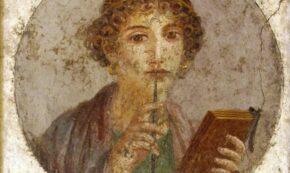
An education historian argues that carefully designed busywork can reinforce learning, build discipline, and support long-term academic success.
The Archive Is Not a Toy: The Hidden Problems of a ‘Vintage’ AI
A new AI model trained on historical archives highlights why historians warn that biased records can distort our understanding of the past.

A new AI model trained on historical archives highlights why historians warn that biased records can distort our understanding of the past.
Teaching in Interesting Times: America @ 250 in the Canadian Classroom
A Canadian historian explores teaching U.S. history during America’s 250th anniversary through student projects, debate, and critical reflection.

A Canadian historian explores teaching U.S. history during America’s 250th anniversary through student projects, debate, and critical reflection.
Save Our Signs: Preserving Censored Histories in America’s Largest Outdoor Classroom
A grassroots archive preserves National Park signs and exhibits documenting contested histories, protecting public memory and historical storytelling.

A grassroots archive preserves National Park signs and exhibits documenting contested histories, protecting public memory and historical storytelling.
Feeling Weird in the Archives
The more recent meaning of “weird,” aligning it with the bizarre, is a good starting point for inquiry.

The more recent meaning of “weird,” aligning it with the bizarre, is a good starting point for inquiry.
“We Are in Danger of Becoming a Stage Without Actors:” Contextualizing Contemporary Overtourism in Venice, Italy
Over the past decade, Venice has been at the forefront of a backlash against overtourism in Europe.

Over the past decade, Venice has been at the forefront of a backlash against overtourism in Europe.
Health Care Workers and the ‘Third Wave’ of Occupational Health
A tentative agreement ended the labour action after eight weeks, another example of a lengthy labour dispute in a nursing home.

A tentative agreement ended the labour action after eight weeks, another example of a lengthy labour dispute in a nursing home.
When Did the Great Acceleration Start? Saskatchewan Might Hold the Answer
Will Steffen used simple data visualizations to make a compelling case the Great Acceleration started in the mid-20th century.

Will Steffen used simple data visualizations to make a compelling case the Great Acceleration started in the mid-20th century.
Canada’s Competing Definitions of Bilingualism
How is it that the even the definition of the term “bilingual” remains contested in Canada today?

How is it that the even the definition of the term “bilingual” remains contested in Canada today?
Confirmation Bias and the Indian Act: How Common Knowledge Can Fuel Anti-Indigenous Racism
This sort of nuance is fundamental to moving beyond basic understandings of the Act.

This sort of nuance is fundamental to moving beyond basic understandings of the Act.
Commercial Tattooing – What’s Old Is News
This week, I’m joined by Jamie Jelinski, author of Needle Work: A History of Commercial Tatooing in Canada.

This week, I’m joined by Jamie Jelinski, author of Needle Work: A History of Commercial Tatooing in Canada.