


—
Having a swimming pool in the backyard is easily one of the best parts of being a homeowner. It serves as a personal retreat for hot summer days and acts as the social hub for every neighborhood barbecue. But that feeling of satisfaction you get from seeing a pristine pool can quickly disappear when the water starts looking less than perfect. Many owners find themselves constantly fighting against cloudy water, sudden algae blooms, and expensive equipment failures without realizing that their own maintenance habits might be the problem. Even though the basics of pool care might seem simple enough, there are several common traps that can turn a small oversight into a long and expensive repair project. Understanding these slip-ups is the first step toward creating a backyard oasis that actually feels effortless.
1.Neglecting Regular Water Chemistry Testing
One of the most frequent mistakes people make is trusting their eyes too much. If the water looks clear, many homeowners assume the chemistry must be balanced. In reality, water that looks perfectly fine can still be highly acidic or have dangerously low levels of sanitizer. Both of these issues can lead to skin irritation for swimmers and permanent damage to the pool’s surfaces. When you neglect regular testing for things like pH, total alkalinity, and calcium hardness, you allow small imbalances to turn into major headaches.
Ideally, you should be testing your water at least twice a week during the summer when the pool is being used the most. Keeping your pH level between 7.2 and 7.6 is the secret to making sure your chlorine actually works. If the pH gets too high, the sanitizer becomes sluggish and stops killing bacteria effectively. On the other hand, a low pH can eat away at the metal parts in your heater and pump. By staying ahead of the game with a simple testing kit, you can avoid the need for those heavy chemical shocks that are usually required when you ignore the chemistry for too long.
2.Improper Use of Pool Shock Treatments
Shocking the pool is an essential part of keeping the water safe because it breaks down contaminants and kills off algae. However, the way people apply it is often where things go wrong. A very common error is adding shock in the middle of a bright, sunny day. The UV rays from the sun can actually dissolve unstabilized chlorine in just a couple of hours, which makes the whole treatment a waste of money. To get the most out of your chemicals, you should always wait until dusk or nightfall to apply shock, as this gives the chlorine time to work without being destroyed by the sun.
Another dangerous mistake is pouring concentrated pool shock directly into the skimmer. This can cause a high-intensity chemical reaction inside the tight space of your filtration system, which could lead to an explosion or permanently melt your pump. The right way to do it is to pre-dissolve the chemicals in a bucket of pool water first. Then, you can slowly pour that solution around the edges of the pool while the pump is running to make sure it gets distributed evenly.
3.Inadequate Filtration and Circulation Schedules
The filtration system in your pool is its main line of defense against dirt and germs, but many owners do not let it run long enough. To save a few dollars on the electric bill, some people only run their pumps for four or five hours a day. Unfortunately, that is rarely enough time to cycle all the water in the pool through the filter. Stagnant water is basically an invitation for algae and bacteria to take over, and no amount of expensive chemicals can fix a pool that is not circulating properly.
For most backyard pools, the pump really needs to run for eight to twelve hours every day. If you are worried about the cost, upgrading to a variable-speed pump can be a great move because it allows you to run the system longer at a lower speed, which is much more energy-efficient. You also need to keep a close eye on your filter’s pressure gauge. A classic mistake is backwashing the filter too often; believe it or not, a slightly dirty filter actually catches small particles better than a brand-new one. You should only clean the filter when the pressure gauge reads about 8 to 10 psi above your normal starting point.
4.Skipping the Physical Brushing of Surfaces
Even if you have the latest technology helping you out, you cannot ignore the importance of a good old-fashioned brush. Algae and biofilm are incredibly tough, and they love to stick to walls, steps, and corners where the water does not move as much. Many people think that if the water is clear, the walls must be clean too. However, microscopic algae spores can start growing long before you can actually see them with your eyes.
Regularly brushing the waterline and those “dead spots” behind the ladder keeps these organisms from building a colony. While a robotic pool cleaner can take care of the heavy lifting on the floors and walls, a quick manual brush once a week makes sure no spot is left open to an algae attack. This simple habit keeps your sanitizer working better and prevents those stubborn stains that are a nightmare to get off a liner or plaster.
5.Managing Environmental Runoff and Surroundings
The way you manage the rest of your backyard has a huge impact on how clean your pool stays. A big mistake that people often overlook is how their garden maintenance affects the water. For example, if your traditional sprinklers are aimed poorly, they might be spraying fertilizer right into the pool. This gives algae a massive nutrient boost that causes it to grow out of control. Also, if the soil near your pool deck gets too wet, you might end up with muddy runoff in your water after a big storm.
Setting up a modern smart sprinkler system in your yard can actually help your pool stay healthy. It ensures that your garden water is managed precisely and kept away from the pool area. By keeping your plants healthy and your soil moisture balanced through automation, you reduce the amount of organic junk and nutrients that end up in your pool. This makes your chemical levels much more predictable and easier to manage.
6.Forgetting to Use a Pool Cover
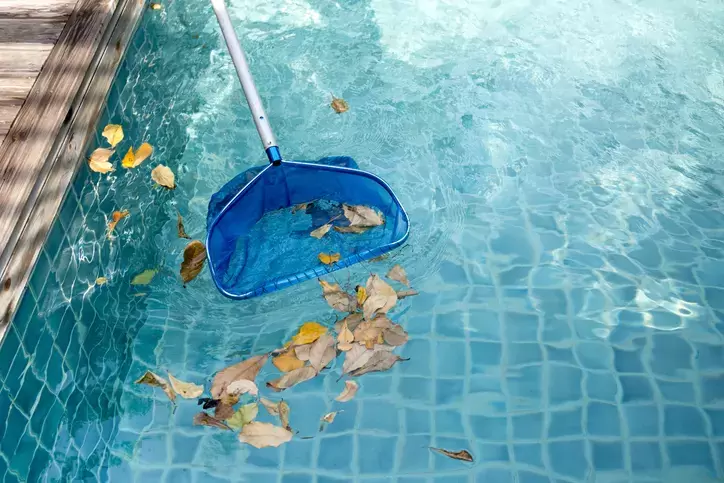
Finally, one of the easiest ways to make your life harder is by leaving your pool open to the elements when you are not using it. An uncovered pool is essentially a giant magnet for leaves, bugs, and bird droppings. All of that organic material eats up your chlorine and causes the water to get dirty much faster. On top of that, evaporation is a major reason why chemical levels get out of whack and why you find yourself constantly adding more water.
Using a cover, even if it is just a simple solar blanket, can stop over 90 percent of debris from ever hitting the water. It also helps keep the temperature and the chemicals at a steady level. This one small habit can save you hours of skimming and means you will not have to run your vacuum nearly as often.
7.Conclusion
Keeping your pool crystal clear and low-maintenance is not about working harder; it is about avoiding the mistakes that cause your environment to become unstable. By staying consistent with your testing, making sure the water is moving, and using the right technology to help you out, you can finally enjoy a stress-free swimming season. Avoiding these common blunders ensures that your backyard stays a place for relaxation instead of becoming a never-ending source of work.
—

