


—
The concrete slabs and blocks that form the base of a house are rarely as static as they appear to the naked eye. Over the years, the massive weight of the building and the shifting earth create a unique map of stress. Every mark tells a story of the pressure the building faces.
Looking closely at these patterns reveals the history of how the structure has settled into the local environment. It is important to remember that not every mark on the masonry signals an immediate catastrophe or a need for panic. Some marks are simply the result of the house finding its permanent seat.
Certain patterns require constant monitoring while others demand a faster response to ensure the safety of the household. Identifying the specific nature of these foundation cracks is the best way to maintain a secure and stable home. Early detection allows for much simpler and more affordable repairs before the issues grow.
Characteristics and Causes of Vertical Fractures
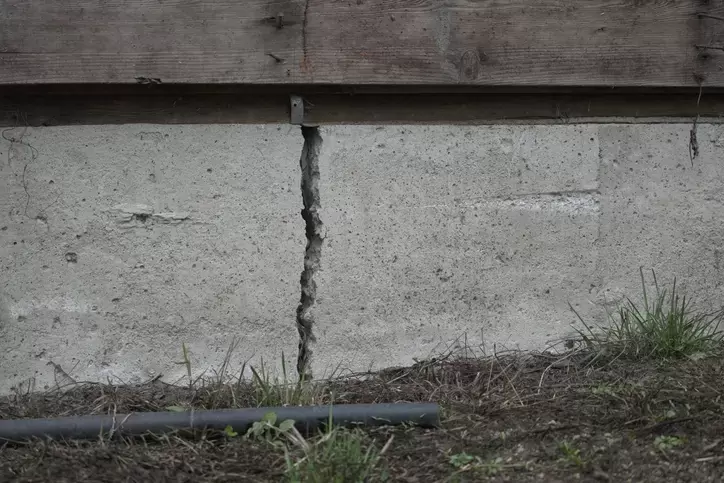
Vertical fractures are among the most common sightings in residential basements, especially in newer homes that are still finding their footing. These lines usually run straight up and down or at a very slight angle across the surface of the concrete. They often appear in the middle of a long wall.
The primary cause of these gaps is the natural shrinkage of the concrete as it cures and loses moisture during the first few years. As the material dries, it contracts slightly, which creates tension that eventually pulls the slab apart. This is a normal part of the aging process for many masonry structures.
While these gaps are usually structural in nature, they can still act as an easy path for groundwater to enter the basement. Addressing them involves sealing the gap to prevent moisture from reaching the interior living space or damaging the finishes. They are generally considered the least threatening type of movement.
The Dangers of Horizontal Lines and Lateral Pressure
Horizontal lines represent a much more significant concern for the long term stability of a residential building. These marks typically run parallel to the floor and are often found midway up the wall or near the top. They indicate that the ground outside is pushing inward with immense force.
Heavy clay soil expands when it becomes wet, exerting thousands of pounds of lateral pressure against the masonry. If the wall cannot withstand this weight, it may begin to bow or lean into the basement area. This physical shift compromises the ability of the wall to support the house above.
Ignoring a horizontal line can lead to a catastrophic failure of the foundation if the pressure is not relieved. The inward movement often requires professional reinforcement to stabilize the structure and prevent further bowing. These issues demand immediate attention to ensure the home remains a safe place for the family.
Settlement Patterns in Brick and Block Foundations
Stair step patterns are a distinct sign of movement that occurs specifically in foundations built with bricks or concrete blocks. These lines follow the mortar joints between the individual units, creating a shape that looks like a set of stairs. This movement is a signal of vertical shifting.
This pattern suggests that one part of the foundation is sinking faster than the sections next to it. This uneven settling often happens when the soil beneath the footings is washed away or becomes too soft to hold the weight. It puts a high level of stress on the entire frame.
Addressing a stair step issue often involves stabilizing the soil or adding support to the footings to stop the sinking. If left alone, the shift can cause doors to stick and windows to jam on the upper floors of the home. Maintaining a level base is essential for the whole structure.
The Importance of Timing and Early Repair Strategies
Addressing a small gap as soon as it is discovered is the most effective way to prevent a major structural disaster. Even a tiny hairline fracture can allow water to reach the steel rebar that reinforces the concrete. Once the steel begins to rust, it expands and causes the concrete to flake.
This internal corrosion weakens the wall from the inside out and makes the repair process much more complex and expensive. Sealing the gap early keeps the moisture away from the metal and preserves the integrity of the masonry. It is a simple step that saves a massive amount of money.
Homeowners who wait for a problem to become obvious often find that the damage has already spread to other areas. A proactive approach to maintenance ensures that the house remains solid and dry through every season of the year. Small fixes today prevent the massive headaches that come with a failing foundation.
Professional Evaluation and Reinforcement Methods
A professional structural evaluation is the best way to determine the severity of any marks found on the basement walls. Experts use specialized tools to measure the width and depth of the gaps to see if the movement is active. They can distinguish between minor shrinkage and serious structural shifting.
Different types of movement require different repair methods to ensure a permanent and successful solution for the home. Vertical gaps are often fixed with high pressure epoxy injections that seal the concrete and restore its strength. This process creates a waterproof barrier that lasts for many decades.
More serious issues like bowing or sinking may require carbon fiber straps or steel piers to provide additional support to the building. These advanced techniques anchor the house to stable earth or reinforce the walls against lateral pressure. A tailored plan ensures that the foundation remains a reliable base forever.
—

