


—
Recycling is often viewed as a single process, but in reality, professional recycling facilities manage a wide range of materials, each requiring its own handling method. From household metal to electronic devices, different waste streams must be separated, processed, and recycled according to strict environmental and safety standards. Understanding how this system works helps explain why choosing the right recycling facility matters.
What Are Waste Streams in Recycling?
A waste stream refers to a specific category of recyclable material that follows a defined processing path. Metals, electronics, plastics, and hazardous materials all represent different waste streams, and mixing them can lead to contamination, safety risks, and inefficient recycling.
Professional facilities are designed to identify, sort, and process these materials correctly, ensuring that each type is handled in a way that maximizes recovery and minimizes environmental impact.
Metal Recycling as a Core Waste Stream
Metal is one of the most common and valuable recyclable materials. Steel, aluminum, copper, and other metals can be recycled repeatedly without losing quality, making them a cornerstone of responsible recycling operations.
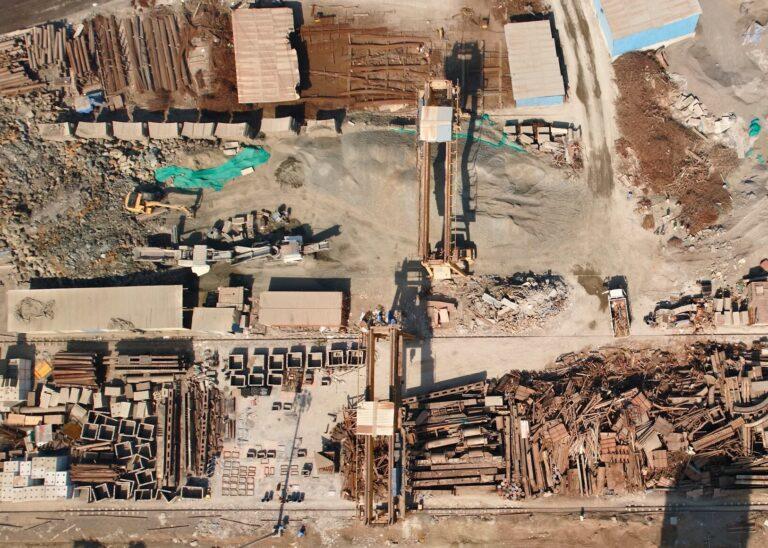
At a professional scrap metal recycling yard – Fulton Metals Recycling, metal items are sorted by type, cleaned of non-metal attachments, and processed for reuse in manufacturing. This approach reduces landfill waste, conserves natural resources, and significantly lowers the energy required to produce new metal products.
Metal recycling streams often include construction materials, household metal items, appliances, automotive parts, and industrial scrap. Proper separation ensures metals are processed efficiently and safely.
Why Electronics Require a Separate Process
Electronics represent a very different waste stream from metal scrap. Devices such as computers, televisions, and printers contain a mix of materials, including circuit boards, plastics, glass, and sometimes hazardous components. Treating electronics like standard metal scrap can damage equipment and release harmful substances.
This is why electronics must be handled through specialized recycling programs that focus on safe dismantling, material recovery, and data protection.
The Role of Electronic Recycling Facilities
Professional recycling operations often partner with or operate dedicated electronic recycling programs to manage this complex waste stream. Services like those outlined at https://fultonmetalsrecycling.com/electronic-recycling/ demonstrate how electronics are processed separately to ensure hazardous materials are handled correctly and valuable components are recovered.
Electronic recycling involves secure handling of data-bearing devices, careful removal of batteries, and separation of reusable metals from non-recyclable materials. This process protects both the environment and consumer data while reducing electronic waste.
Keeping Waste Streams Separate Improves Recycling Outcomes
One of the most important functions of professional recycling facilities is preventing cross-contamination between waste streams. Mixing electronics with metal scrap or disposing of hazardous materials improperly can reduce recycling efficiency and create safety risks.
By maintaining clear processes for each waste stream, recycling facilities can improve material recovery rates, reduce environmental pollution, protect workers and equipment and ensure compliance with regulations. This structured approach is what allows recycling to remain both effective and sustainable.
The Bigger Picture of Responsible Recycling
Handling different waste streams correctly is about more than convenience. It reflects a commitment to environmental stewardship, community safety, and long-term sustainability. When materials are recycled through professional facilities, fewer resources are wasted, and fewer harmful substances enter the environment.
Understanding how recycling facilities manage different waste streams empowers individuals and businesses to make smarter disposal choices. Whether dealing with metal, electronics, or other recyclable materials, using the right recycling channel ensures that each item is handled responsibly from start to finish.
—

