


—
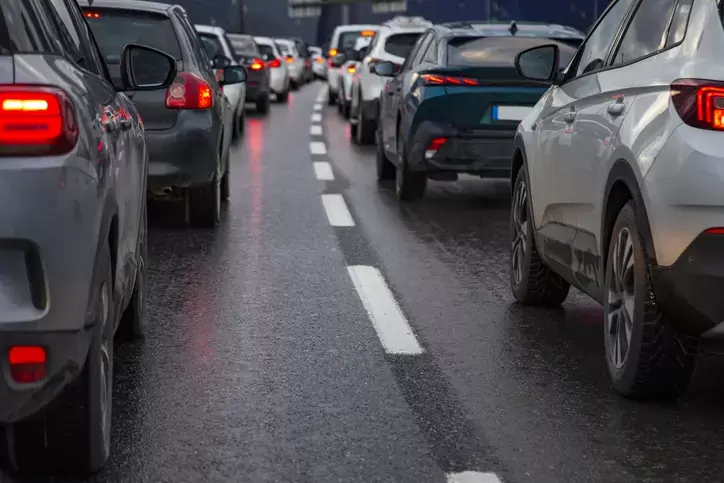
Traffic congestion is an everyday reality in many urban areas, especially in major metropolitan regions. While congestion is often viewed as a nuisance that wastes time and fuel, its impact on roadway safety is frequently underestimated. Congested roads significantly increase the likelihood of vehicle collisions by creating conditions that strain driver attention, reduce reaction time, and amplify risky driving behaviors. Understanding how and why traffic congestion contributes to higher collision risks is essential for drivers, policymakers, and safety advocates alike.
Understanding Traffic Congestion and Its Scope
Traffic congestion occurs when vehicle demand exceeds roadway capacity, leading to slower speeds, longer travel times, and frequent stop-and-go movement. Congestion is most common during peak commuting hours, road construction, accidents, or special events. In densely populated areas, congestion has become a daily occurrence rather than an occasional inconvenience.
From a safety perspective, congestion changes the driving environment in ways that increase crash probability. While lower speeds might seem safer at first glance, the reality is more complex. Congested traffic creates unpredictable conditions that challenge even experienced drivers.
Increased Driver Stress and Aggressive Behavior
Psychological Effects of Congestion
Extended periods in traffic congestion can lead to frustration, impatience, and stress. These emotional responses impair judgment and reduce a driver’s ability to make calm, rational decisions. Stress can narrow a driver’s focus, causing them to overlook critical cues such as brake lights, turn signals, or pedestrians.
Aggressive Driving in Congested Conditions
Frustration often manifests as aggressive driving behaviors, including tailgating, rapid lane changes, honking, or speeding once traffic briefly clears. These behaviors significantly raise the risk of rear-end and side-impact collisions. Aggression combined with close vehicle spacing leaves little margin for error.
Reduced Following Distances and Rear-End Collisions
Stop-and-Go Traffic Patterns
Congested roads are characterized by frequent braking and acceleration. Drivers often follow too closely in an attempt to prevent other vehicles from cutting in, but this behavior reduces reaction time. Even a momentary distraction can result in a rear-end collision.
Chain-Reaction Crashes
In heavy traffic, a single sudden stop can trigger a chain-reaction crash involving multiple vehicles. These multi-car collisions are common in congested areas and often lead to significant property damage and injuries, even at relatively low speeds.
Distractions Amplified by Congestion
Increased Use of Mobile Devices
When traffic slows, some drivers mistakenly believe it is safe to check their phones, adjust navigation systems, or engage with in-car entertainment. Congestion creates more opportunities for distraction, but less time to react when traffic suddenly moves or stops.
Cognitive Overload
Congested driving requires constant attention to surrounding vehicles, traffic signals, pedestrians, and cyclists. This high cognitive load increases mental fatigue, making it easier for drivers to miss critical information and respond too slowly to hazards.
Lane Changes and Merging Conflicts
Frequent Lane Switching
Drivers in congested traffic often change lanes in search of faster movement. Each lane change introduces a potential conflict point, increasing the likelihood of sideswipe collisions. Blind spots become especially dangerous when traffic is dense and visibility is limited.
Bottlenecks and Merging Areas
On-ramps, off-ramps, and lane reductions are particularly hazardous in congested conditions. Drivers competing for limited space may fail to yield properly, misjudge gaps, or make abrupt maneuvers that lead to crashes.
Reduced Visibility and Environmental Factors
Obstructed Sightlines
Large vehicles, closely packed traffic, and roadway infrastructure can limit visibility during congestion. Drivers may be unable to see hazards developing several vehicles ahead, reducing their ability to anticipate sudden stops or obstacles.
Weather and Lighting Conditions
Congestion combined with rain, fog, or low-light conditions further increases collision risks. Wet roads extend stopping distances, while glare from headlights or the sun can obscure visibility in slow-moving traffic.
Impact on Vulnerable Road Users
Pedestrians and Cyclists
Congested urban areas often have higher pedestrian and cyclist activity. Drivers focused on navigating traffic may fail to notice crosswalks, bike lanes, or individuals attempting to cross the road, leading to serious or fatal collisions.
Motorcyclists
Motorcycles are particularly vulnerable in congested traffic due to their smaller size and limited visibility. Sudden lane changes or failure to check blind spots can result in severe motorcycle crashes.
Data and Traffic Safety Research
Traffic safety research consistently shows a strong relationship between congestion and increased crash frequency. Organizations such as the National Highway Traffic Safety Administration provide extensive data and analysis on roadway risks, driver behavior, and crash trends through various resources available. These findings highlight how human factors, traffic density, and environmental conditions interact to elevate collision risks.
Economic and Social Consequences of Congestion-Related Collisions
Beyond physical injuries, congestion-related crashes impose significant economic and social costs. Medical expenses, vehicle repairs, lost productivity, and increased insurance premiums affect not only those directly involved but also the broader community. Emergency response delays in congested areas can further exacerbate injury severity and outcomes.
Legal and Accountability Considerations
When collisions occur in congested traffic, determining fault can be complex. Multiple vehicles, unclear right-of-way, and conflicting driver accounts often complicate liability assessments. In such cases, consulting a qualified car accident lawyer in Los Angeles can help injured parties understand their legal options and pursue appropriate compensation.
Law firms with experience in traffic collision cases, such as those profiled through legal directories, often emphasize the importance of thorough investigations, accident reconstruction, and evidence analysis in congestion-related crashes.
Strategies to Reduce Collision Risks in Congested Traffic
Driver Awareness and Defensive Driving
Drivers can reduce their risk by maintaining safe following distances, staying alert, and avoiding aggressive behaviors. Anticipating sudden stops and minimizing distractions are key defensive driving strategies in congested conditions.
Infrastructure and Policy Solutions
Traffic management systems, improved public transportation, adaptive traffic signals, and better road design can help alleviate congestion and reduce crash risks. Encouraging alternative commuting options also plays a role in lowering traffic density.
Conclusion
Traffic congestion is more than an inconvenience; it is a significant safety hazard that increases the likelihood of collisions through stress, distraction, reduced visibility, and risky driving behaviors. As urban populations grow and roadways become more crowded, understanding the connection between congestion and crash risk becomes increasingly important. By combining informed driving habits, effective infrastructure planning, and access to reliable safety data, communities can work toward safer roads even in the face of persistent traffic congestion.
—

