


—
Introduction
If you’re shipping LTL freight for the first time, you may feel overwhelmed. Rules about weight, classes, accessorials, and packaging can make the process somewhat confusing, and beginners are unsure about where to start. Even when you’ve got a quote, things aren’t necessarily plain sailing. Trying to figure out what’s included and what isn’t is equally baffling.
These ambiguities are why first-time shippers often turn to uShip. You make one simple listing and wait to receive offers from different LTL freight carriers. All the information you need is in one place, making comparison straightforward and removing the need to jump between websites or make numerous calls.
What Is LTL Freight? (Beginner-Friendly Overview)
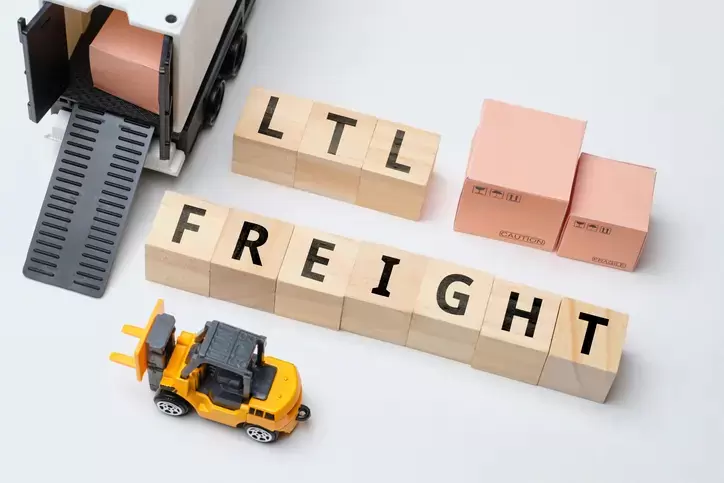
LTL stands for Less Than Truckload. In other words, you’re not booking a whole trailer but sharing the space and cost with other shippers. The carrier loads several deliveries, all heading in the same general direction. They are loaded on pallets or crates, and the shipper is charged a percentage of the total cost according to the space their freight uses.
LTL freight is the perfect fit for anything that’s bigger than a standard parcel you might post, but not big enough to warrant hiring a full truck. Shipments between 150 and 10,000 pounds tend to meet these criteria. If your shipment matches these figures, you’ll typically find that it’s cheaper and the sensible choice for small and medium-sized loads.
Break down in simple terms:
Key Factors That Affect LTL Freight Pricing
Several factors affect how much you pay for your LTL shipping. Once you understand what these are, you’ll make better choices and be far less likely to get caught out by the cost.
- Weight– Carriers divide shipment weight into brackets, but generally, the heavier your shipment, the more it costs. However, keep in mind that heavier pallets may get a better rate per pound.
- Dimensions and density– Bulky freight costs more because it takes up more space, even when it’s lighter. Denser freight is a lower class, which means a lower price.
- Freight class– The class assigned to your freight depends on its density, how easy it is to handle, and how risky it is to move.
- Distance and route– The longer the distance, the greater the price. However, busy routes tend to have better pricing as there are more trucks operating.
- Accessorials– Accessorials add to the cost and include things like liftgates, residential delivery, inside delivery, and limited access.
- Packaging/crating quality– There are fewer handling issues when freight is packaged correctly, and this is reflected in the price. Loose, poor, or weak packaging
How to Compare LTL Freight Quotes Correctly
It’s important to compare your LTL quotes, but what should you be looking at rather than just aiming for the lowest price? For a fuller picture, ask yourself these questions:
- Is the price truly all-in, including accessorials?
- What is the transit time?
- What are shippers saying about the carrier?
- Is proper insurance included in the quote?
- Are the pick-up and delivery windows reasonable?
- Are there any restrictions or extra fees?
Spend a few minutes carefully comparing prices, and you can expect fewer issues down the road.
Common Mistakes People Make When They Ship LTL for the First Time (and How to Avoid Them)
It’s common for people who are shipping for the first time to make mistakes. Something that seems small could end up being a big problem. Here are some of the most common ones to stay away from:
- Guessing weight or dimensions– If you guess the weight or size, the carrier will charge you again if they find out you were wrong. Always measure after you pack.
- Not asking for accessorials– If your freight needs a liftgate and you don’t ask for one, the driver may refuse to deliver or charge you more.
- Bad packaging– Your packaging needs to be strong enough to deal with rough handling.
- Not checking truck access limits– If the delivery location is on a narrow street, up a steep driveway, or has low trees or power lines, a big truck may not be able to get there.
- Choosing the cheapest quote without checking out the carrier– The lowest price isn’t always the best choice because you might not be happy with the carrier’s communication or transit time.
- Misclassifying the freight– If you misclassify your freight, the carrier may charge you more when they look at it.
- Not taking pictures for pick-up documentation– Clear pictures help settle possible damage claims.
Packaging & Preparation Tips for Smooth LTL Transport
Before the carrier picks up your shipment, take care of the following:
- Use strong pallets or crates for your shipment
- Shrink-wrap and band the freight securely
- Add corner protectors
- Label your freight clearly on multiple sides
- Use extra padding for fragile/high-value items
- Take photos once your shipment is wrapped
How uShip Makes LTL Shipping Easier for Beginners
With uShip, a lot of the guesswork is taken out of the LTL freight shipping process. By providing everything you need in one place, you can:
- Compare quotes without jumping between carriers
- See pricing and available accessorials upfront
- Chat directly with carriers before booking
- Check verified profiles with DOT/MC numbers
- Use uShip Protection Payments for safe checkout
- Get tracking and delivery updates
This setup is very straightforward and helps beginners avoid common mistakes.
When to Choose LTL vs. Full Truckload or uShip Independent Carriers
LTL is best when you want to move:
- Small to mid-sized shipments
- One or two pallets
- Freight that isn’t time critical
Full Truckload is better when:
- You have a heavy or oversized load
- You want fewer touchpoints between pick-up and delivery
uShip independent carriers are a good option if:
- Your shipment is unusual, fragile, or an odd shape
- You want direct communication with the driver
- You’re shipping from home and need more flexibility
Many residential shippers find independent carriers easier to work with because they provide a more personal service.
Final Tips for First-Time LTL Shippers
Before we finish up, let’s share some final tips for first-time LTL shippers:
- Measure accurately
- Ask questions using uShip chat
- Package everything correctly before pick-up day
- Read and compare quotes carefully
- Make sure the truck can access your location
—

