


—
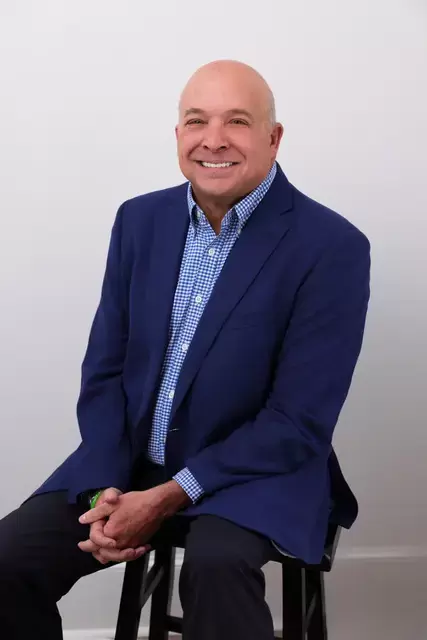
Michael Langley, an attorney in Little Rock, Arkansas, is widely respected for his client-first approach and unwavering commitment to ethical legal representation. With years of experience in civil and administrative law, Langley has established a reputation as a clear communicator, diligent advocate, and steady guide through the legal process. He takes pride in making the law accessible and ensuring every client feels heard and respected.
Outside the courtroom, Michael Langley is deeply engaged in his community. He mentors young professionals and actively supports local nonprofits, further demonstrating his belief that the law should serve people at every level. In this interview, he shares insights from his journey, including the values that guide his work and the initiatives close to his heart.
Early Influences and Career Milestones
Who or what inspired you to pursue a career in law?
My father was a lawyer, and growing up, I saw the impact he had on his clients and the community. That made a lasting impression. I never seriously considered doing anything else. The way he used his skills to help people stuck with me.
Can you share a defining moment that shaped your career?
Absolutely. Being appointed as the director of the Arkansas Alcoholic Beverage Control in 2007 was a turning point. During my eight years in that role, we made meaningful progress that supported businesses of all sizes across the state. It felt good knowing those efforts positively touched every community in Arkansas.
Personal and Professional Values
How would you describe your personal and professional values?
I value honesty, integrity, and putting others first. Following through on your word really matters. That kind of consistency builds trust over time. For me, relationships are far more important than financial rewards. That’s something I’ve tried to live by, both personally and professionally.
What advice would you give your younger self?
Listen more. Ask more questions. Early in my career, I wish I had been more focused on understanding people, not just the legal issues. Building deeper connections would have made me more effective from the start.
Achievements and Community Involvement
What personal or professional achievements are you most proud of?
On a personal level, I’m incredibly proud of my two daughters. Watching them grow into strong, capable young women has been the most rewarding part of my life. Professionally, I take pride in my clients’ success. If they don’t succeed, I haven’t done my job. That’s how I measure achievement.
Are you involved in any charitable organizations or community work?
Yes. I’m active in St. Mark’s Episcopal Church and support the Isaiah Joe Foundation. Both are important to me because they reflect my belief in service and giving back to the community.
Navigating Challenges and Defining Success
How do you manage stress and maintain balance in your life?
Spending quality time with my family is key. I make a point to engage in the things they love because it helps me stay grounded and present. It’s how I recharge and keep perspective.
How do you define success?
Success is when my clients reach their goals. It’s not about accolades or titles. If someone walks away from a case feeling understood, supported, and satisfied with the outcome, then I’ve done my job.
Expertise and Legal Philosophy
How do you approach complex legal challenges?
Preparation is everything. I also believe in breaking down complicated legal concepts so clients understand what’s happening at each step. That transparency builds trust and helps people feel more in control of their situation.
Is there a particular case that stands out in your career?
Early on, I worked with a couple navigating a complex adoption process across state lines. It was a tough case, but years later, seeing that family thrive makes it one of the most rewarding experiences of my career. It reminded me how deeply personal and life-changing legal work can be.
Mentorship and Growth
Who has been a major influence or mentor for you?
William E. Brewer, Chairman of the First National Bank of Paragould, was a big influence. He showed me how to grow in business while staying true to my relationships. His example taught me that success doesn’t have to come at the expense of personal integrity.
What advice do you have for young professionals starting in law?
Be a great listener. Ask thoughtful questions. Try to understand people’s stories because that will guide your work more than anything else. And don’t underestimate the power of mentorship. Find people who are willing to share their wisdom. It’ll make a world of difference.
Community Engagement and Looking Ahead
What role do you think the law plays in building stronger communities?
The law protects rights and creates a foundation for fairness. When people understand the law and have access to justice, they’re better equipped to contribute to their communities. I try to play my part by supporting nonprofits and working on initiatives that expand access to legal services.
What are your future goals for your practice?
I want to make legal help more accessible, especially for underserved communities. That means using technology for virtual consultations and expanding remote services so people in rural areas can get the support they need. Legal services shouldn’t be a luxury.
Projects and Personal Perspective
Are there any current projects you’re excited about?
Yes. I’m deeply involved in a pro bono initiative that supports families affected by domestic violence. It’s a project that matters a lot to me. We work closely with shelters and support organizations to offer both legal help and a path toward safer, more stable futures.
How have your own experiences shaped your legal practice?
Growing up in a place where legal help wasn’t always easy to come by gave me a real sense of purpose. I know what it feels like to face barriers, and that’s what drives me to push for more inclusive and accessible legal services today.
Vision for the Future
What are your goals for expanding your professional reach?
I’m planning to build out more digital platforms that allow for easier client interaction, especially in areas that lack local legal resources. The goal is to make legal support feel less intimidating and more available to everyone, regardless of where they live.
What legacy do you hope to leave behind?
I want to be remembered as someone who helped make the law clearer, more approachable, and more human. If future attorneys feel inspired to put empathy and people first in their work, then I’ll feel like I’ve done something worthwhile.
As a proud attorney serving Little Rock, Michael Langley brings an approach to law that is rooted in clarity, compassion, and community. His commitment to making legal services more accessible and his forward-thinking use of technology reflect a deep understanding of what people need most – support, guidance, and trust. As he continues to expand his impact, Langley stands out as a vital force for good in Arkansas’s legal landscape.
—
This content is brought to you by Andrea Mario
Photo provided by the author.

