


—
It usually starts small. You notice a few bugs here and there, maybe in the kitchen or near your bed, and it does not seem like a big deal. Many homeowners assume a quick spray or a trap will fix the issue. Sometimes it does. But other times, the problem keeps coming back. That is because some pests are much harder to eliminate than others. They hide well, multiply quickly, and adapt to common treatments. Understanding why certain pests are so difficult can help you take the right steps before the situation gets worse.
Bed Bugs: One of the Hardest Pests to Remove
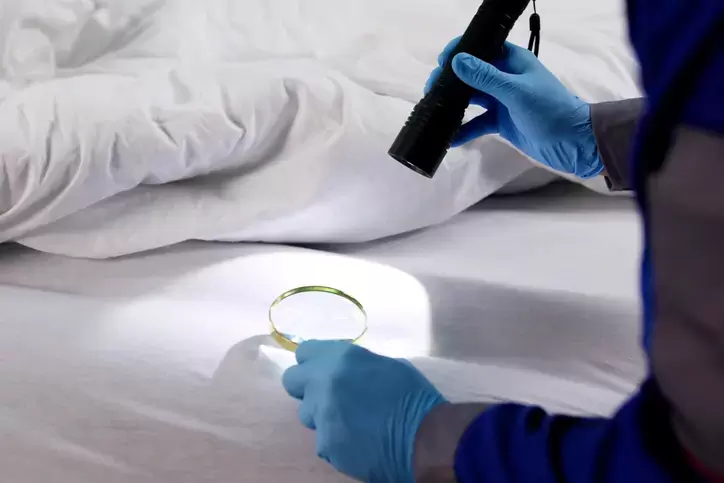
Bed bugs are one of the most frustrating pests to deal with. They are tiny, flat, and excellent at hiding. You can find them in mattress seams, bed frames, furniture, and even behind wall outlets. Because of their size, they can stay hidden for a long time without being noticed.
One of the biggest challenges with bed bugs is how fast they reproduce. A single female can lay hundreds of eggs in just a few months. This means a small problem can turn into a full infestation very quickly. On top of that, bed bugs are active at night, which makes them harder to spot during the day.
Another reason they are so difficult to remove is their resistance to many over-the-counter treatments. Sprays and home remedies often fail to reach their hiding spots or kill their eggs. That is why many homeowners eventually rely on expert bed bug removal services to fully eliminate the problem. Professional treatments are designed to target both the bugs and their eggs, which is key to stopping the cycle.
Cockroaches: Survivors That Adapt Quickly
Cockroaches are known for their ability to survive almost anything. They can live in harsh conditions and go without food for long periods. This makes them incredibly hard to eliminate once they settle into a home.
They tend to hide in dark, damp places like under sinks, behind appliances, and inside walls. Because they are mostly active at night, you might not see them until the infestation has already grown. Even if you manage to kill a few, many more are likely hiding nearby.
Another issue is that cockroaches can develop resistance to certain pesticides over time. If the same treatment is used repeatedly, it may become less effective. This is why many infestations return even after initial treatment. Getting rid of them often requires a combination of methods and consistent effort.
Termites: Silent Destroyers Inside Your Home
Termites are especially dangerous because they work quietly. Unlike other pests, they do not make their presence obvious right away. They live inside wood structures, feeding on them from the inside out.
By the time you notice signs like damaged wood or hollow-sounding walls, the infestation may already be severe. Termite colonies can grow large, and they can cause serious structural damage if left untreated.
Because they stay hidden, it is very difficult to detect them without a proper inspection. Surface treatments are usually not enough, since the colony may be deep inside the structure or even underground. Professional tools and knowledge are often needed to locate and eliminate the entire colony.
Ant Colonies: Small Insects, Big Problem
Ants might seem harmless at first, but they can quickly become a major issue. The main problem is that what you see is only a small part of the colony. There could be thousands of ants hidden nearby.
Many ant colonies have multiple queens, which makes them even harder to eliminate. Killing the ants you see does not solve the problem if the queens are still alive. The colony can continue to grow and send out more workers.
Ants are also very good at finding food and water sources. Even if you block one entry point, they can find another way in. Effective control requires identifying and targeting the source of the colony, not just the visible ants.
Rodents: Smart and Cautious Invaders
Mice and rats are not just pests, they are also very intelligent. They learn from their environment and can avoid traps if they sense danger. This makes them harder to catch over time.
Rodents can squeeze through very small openings, which allows them to enter homes easily. Once inside, they build nests in hidden areas like walls, attics, and basements. They also reproduce quickly, which can lead to a growing population in a short time.
Another concern is the health risk they bring. Rodents can carry diseases and contaminate food. Because of their behavior and intelligence, getting rid of them often requires careful planning and consistent monitoring.
Fleas: Tiny but Persistent
Fleas are small, but they can be very difficult to eliminate. They often enter homes through pets and quickly spread to carpets, furniture, and bedding. Once they settle in, they can be hard to remove completely.
One of the main challenges is their life cycle. Flea eggs can fall off pets and remain hidden in the environment. These eggs can hatch later, leading to a new wave of fleas even after treatment.
Many treatments only target adult fleas, which means eggs and larvae can survive. This is why infestations often come back if the treatment is not repeated. A thorough approach is needed to break the cycle and fully eliminate them.
Why Some Pests Keep Coming Back
There are several reasons why pest problems return even after treatment. One common reason is incomplete elimination. If even a small number of pests survive, they can rebuild the population.
Hidden nesting areas also play a big role. Pests that live inside walls, floors, or furniture can avoid surface treatments. This allows them to stay protected and continue multiplying.
Another factor is resistance. Some pests adapt to certain chemicals, making treatments less effective over time. Poor sanitation and unsealed entry points can also invite pests back into the home.
Pests can be stubborn, but they are not impossible to control. The key is understanding what makes them difficult and taking the right steps to deal with them. With the right approach, you can protect your home and keep these unwanted guests from coming back.
—

