


—
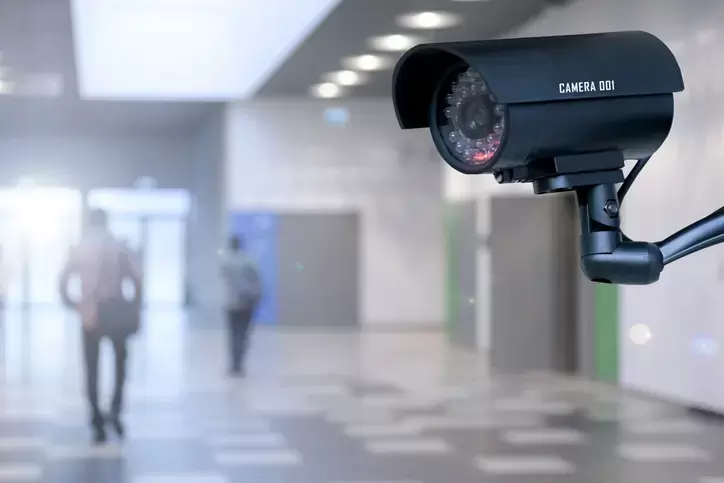
Walk through the front entrance of almost any office building, corporate campus, or event venue, and you will see signs of security everywhere. Cameras hang from ceilings. Security officers sit behind desks. Access badges dangle from employee lanyards. Visitors sign in at reception.
It looks secure.
That appearance creates a powerful feeling. People see visible security measures and assume risk is being managed. The problem is that visible security and effective security are not the same thing.
Many organizations invest heavily in things people can see while overlooking weaknesses that create far greater risk behind the scenes. The result is a false sense of confidence. The building feels protected. The systems remain vulnerable.
Wade Lyons understands this distinction through years of experience in law enforcement leadership, investigations, training, and private security. Having managed public safety operations and now leading Black Onyx Investigations, he has seen firsthand how organizations often focus on the wrong parts of security.
“Some of the most secure places I worked didn’t look impressive from the outside,” Lyons says. “At the same time, I’ve walked into facilities with cameras everywhere and immediately spotted process failures that created much bigger risks.”
That difference matters because modern security is increasingly about systems, people, and decision-making rather than appearances.
Why Visible Security Feels Reassuring
Human beings are wired to respond to what they can see.
A uniformed security officer feels reassuring. A camera mounted above a doorway signals oversight. Metal detectors create the impression that threats are being controlled.
These measures can absolutely play an important role. The problem begins when organizations mistake presence for effectiveness.
Visible security often serves as a deterrent. Effective security focuses on prevention, detection, communication, and response.
Those are different objectives.
One organization invested heavily in lobby security upgrades after a highly publicized security incident made national headlines. New cameras were installed. Additional guards were hired. Access points were redesigned.
During a later review, investigators discovered contractors regularly entered through secondary entrances without proper verification.
The visible security improved.
The actual vulnerability remained untouched.
Most Security Failures Start Small
Popular culture teaches people to think of security failures as dramatic events.
The reality is usually much less exciting.
A report from the Association of Certified Fraud Examiners estimates organizations lose approximately 5% of annual revenue to occupational fraud, much of which develops through small control failures that go unnoticed for long periods. Studies from Verizon have also found that a large percentage of security incidents involve human error, procedural breakdowns, or misuse of existing systems rather than sophisticated attacks.
Those findings point to a simple truth.
Most security problems begin with ordinary behavior.
Someone skips a step because they are busy. A report never gets filed. A manager ignores a policy because enforcement feels inconvenient. Employees develop workarounds that become routine.
Each decision appears harmless.
Over time those decisions create exposure.
Lyons remembers reviewing a facility where access control violations had become normal.
“When we started asking questions, people told us they had been bypassing procedures for years,” he says. “Nobody thought it mattered because nothing bad had happened yet. The system looked secure until you paid attention to how people were actually using it.”
That pattern appears across industries.
The Strongest Security Systems Are Often Invisible
Effective security rarely attracts attention.
Visitors usually notice guards, cameras, and checkpoints. They rarely notice the processes working quietly in the background.
Strong reporting systems.
Clear communication channels.
Consistent access management.
Employee training.
Incident reviews.
These elements often have a greater impact on security outcomes than highly visible measures.
One operations director described reviewing two facilities with similar budgets. One location invested heavily in visible deterrents. The other focused on internal processes and accountability.
The second facility consistently identified issues faster and resolved them more effectively despite appearing less secure to outside observers.
The difference came down to systems.
Effective security creates awareness.
Visible security creates impressions.
The strongest organizations understand the distinction.
Communication Is a Security Tool
Many people do not think of communication as a security function.
They should.
A surprising number of incidents grow worse because information fails to move quickly enough between people.
Employees notice unusual behavior but assume someone else reported it. Departments operate with incomplete information. Supervisors receive updates too late to act effectively.
One security consultant recalled reviewing a series of workplace incidents that initially appeared unrelated.
“Each report seemed minor by itself,” he said. “When we connected them together, they pointed to the same underlying issue. Nobody had been sharing information consistently.”
The problem was not a lack of cameras.
The problem was a lack of communication.
Effective security depends on information flowing where it needs to go.
Training Separates Good Security from Great Security
Organizations often purchase security tools without investing equal effort in training.
That imbalance creates predictable results.
Employees know security policies exist. They struggle to apply them consistently during real situations.
Training changes that.
Lyons spent years overseeing scenario-based exercises designed to improve performance under pressure.
“We would run realistic scenarios and watch people react,” he says. “Almost every time, the exercise exposed communication gaps or procedural shortcuts that nobody noticed during routine operations.”
Those discoveries created opportunities for improvement.
Effective security depends on people understanding not only what procedures exist but why they exist.
Training builds that understanding.
Measuring Security Requires Looking Beyond Incidents
Many organizations judge security performance based on whether something bad happened.
That approach creates blind spots.
The absence of incidents does not automatically mean systems are working.
Strong security programs measure indicators long before incidents occur.
Examples include:
- Policy compliance rates
- Access control violations
- Response times
- Reporting activity
- Training participation
- Audit findings
These measurements reveal weaknesses before those weaknesses become larger problems.
Organizations that wait for incidents often learn lessons at the most expensive possible moment.
Security Is Really About Managing Human Behavior
Technology matters.
Equipment matters.
Infrastructure matters.
Human behavior matters more.
Every security system ultimately depends on people making decisions.
Employees decide whether procedures get followed. Managers decide whether standards are enforced. Leaders decide whether risks receive attention.
One facility manager described introducing a new access control system with advanced capabilities.
The technology worked exactly as intended.
Employees immediately found ways around it because the process slowed them down.
The issue was never the technology.
The issue was behavior.
Security succeeds when systems account for how people actually operate.
What Effective Security Looks Like in Practice
The strongest security environments usually share several characteristics.
They have clear reporting systems.
They review incidents consistently.
They train employees realistically.
They communicate effectively.
They enforce standards evenly.
Most importantly, they identify small problems before those problems become patterns.
Wade Lyons has seen organizations spend large amounts of money chasing visible threats while ignoring operational weaknesses sitting directly in front of them.
“The organizations with the best security weren’t necessarily the ones with the biggest budgets,” he says. “They were the ones paying attention to small failures and fixing them before they became major issues.”
That lesson captures the difference between visible security and effective security.
Visible security focuses on what people notice.
Effective security focuses on what actually works.
The organizations that understand that distinction are usually the ones that stay ahead of problems while everyone else is still reacting to them.
—

