


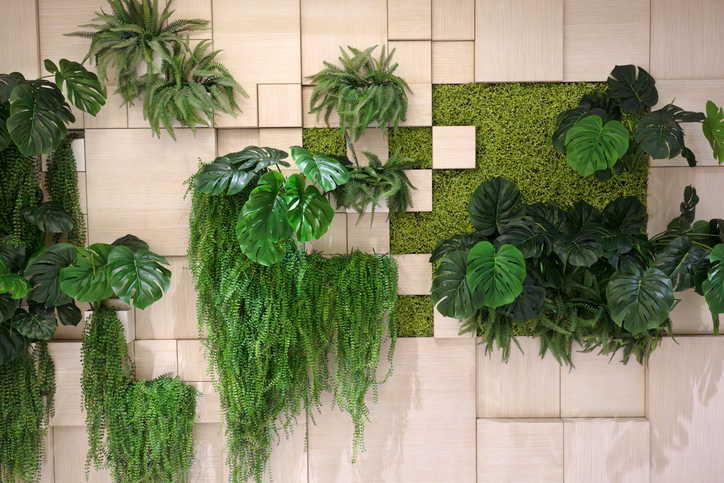
Nature has always been an essential part of interior design, events, and personal spaces. From elegant wedding décor to corporate offices and cozy living rooms, greenery and floral arrangements breathe life into any environment. However, keeping fresh flowers and plants vibrant for long periods can be costly, time-consuming, and impractical. That’s where preserved plants and flowers come in.
These innovative creations allow you to enjoy the beauty of nature for months or even years—without the constant care that fresh plants demand. But what exactly are they, how are they made, and why are they becoming so popular? Let’s dive deep into the world of preserved greenery and blooms.
Understanding Preserved Plants and Flowers
In simple terms, preserved plants and flowers are real, natural plants and flowers that have undergone a specialized preservation process. Unlike artificial flowers, which are made from synthetic materials like plastic or silk, preserved varieties begin as fresh plants.
The preservation technique replaces the natural sap and moisture inside the plant with a biodegradable, plant-based solution. This locks in the plant’s beauty—its shape, color, and texture—while preventing it from wilting or decaying. The result is a stunning arrangement that looks and feels almost identical to freshly cut flowers but lasts far longer.
Think of them as the “best of both worlds”: they carry the authenticity of natural plants while offering the longevity of artificial ones.
How the Preservation Process Works
The science and artistry behind preserved plants and flowers make them truly fascinating. Here’s a breakdown of the typical preservation process:
- Harvesting at Peak Freshness
Flowers and plants are carefully harvested when they are at their most beautiful—when blooms are fully open, and foliage is lush. - Dehydration
The natural sap and water inside the stems, leaves, and petals are removed through a controlled drying process. - Rehydration with Preservatives
The plant material is then rehydrated using a glycerin-based or eco-friendly solution. This replaces the natural moisture and maintains the soft, supple texture of the plant. - Color Enhancement (Optional)
Natural dyes are sometimes added to restore or even enhance the vibrancy of the original colors. This is especially useful for decorative purposes where specific shades are desired. - Final Conditioning
Once preserved, the plants and flowers are dried again under controlled conditions, locking in their new structure and appearance.
The entire process can take several days to weeks, depending on the type of plant or flower being preserved.
Key Benefits of Preserved Plants and Flowers
Why are these preserved natural wonders gaining so much attention worldwide? Let’s look at the main advantages:
1. Longevity and Durability
Fresh flowers may last only a week, but preserved flowers can retain their beauty for up to 1–3 years or even longer with proper care. This makes them cost-effective for businesses and households alike.
2. Low Maintenance
Unlike living plants, they don’t require water, sunlight, or pruning. A little dusting now and then is usually enough to keep them looking their best.
3. Sustainability
Because they last much longer, they reduce the need for constant replacement, minimizing waste and transportation emissions from repeated shipments of fresh flowers.
4. Natural Beauty
They are not fake. Unlike artificial flowers, preserved plants and flowers retain the natural look, touch, and scent (in some cases) of real plants.
5. Versatility
They can be used for multiple applications: home décor, event styling, corporate interiors, and even gift items.
Where Can You Use Preserved Plants and Flowers?
The applications of preserved greenery are nearly endless. Here are some popular uses:
Interior Design
Preserved arrangements bring elegance to homes, offices, hotels, and restaurants. From vertical green walls to small potted arrangements, they provide lasting beauty without the hassle of upkeep.
Weddings and Events
Couples are increasingly choosing preserved bridal bouquets and centerpieces. These not only look fresh throughout the event but also serve as keepsakes afterward.
Corporate Spaces
Businesses use preserved foliage to create inviting, professional atmospheres in lobbies, meeting rooms, and workspaces—without worrying about ongoing maintenance costs.
Gifts
A preserved rose in a glass dome or a bouquet that lasts for years makes for a thoughtful and unique present for anniversaries, birthdays, or Valentine’s Day.
Art and Craft Projects
Designers and artists incorporate preserved greenery into handmade wreaths, frames, and custom projects that stand the test of time.
How to Care for Preserved Plants and Flowers
Though they require far less maintenance than live plants, a few care tips can help maximize their lifespan:
- Keep Them Indoors: They are best suited for indoor use, as exposure to direct sunlight or rain can damage them.
- Avoid Humidity: Too much moisture can shorten their life. Place them in dry areas with moderate room temperature.
- Dust Gently: Use a soft brush, hairdryer on a cool setting, or canned air to remove dust.
- Do Not Water: Preserved plants no longer need hydration—watering them can cause deterioration.
By following these simple steps, you can keep your arrangements looking fresh and vibrant for years.
Preserved vs. Dried vs. Artificial: What’s the Difference?
Many people confuse preserved plants with dried or artificial ones. Here’s how they differ:
- Dried Plants: These are air-dried or dehydrated naturally. While they have a rustic charm, they often look brittle, faded, and fragile compared to preserved plants.
- Artificial Plants: Made from materials like silk or plastic, they are long-lasting but lack the authentic texture and feel of real plants.
- Preserved Plants and Flowers: These strike the perfect balance—they are real plants that look fresh, feel natural, and last for years.
Why Are Preserved Plants and Flowers Becoming a Trend?
The rise of preserved greenery is more than just a fad; it reflects changing lifestyles and consumer preferences. People want the beauty of nature without the burden of constant care. Sustainability, cost-efficiency, and innovation in preservation techniques have all contributed to their growing popularity.
In fact, many professional decorators, event planners, and interior designers are making preserved arrangements their go-to choice. For example, brands like SecondFlor are leading suppliers in this niche, offering a wide variety of high-quality preserved options for wholesale and retail clients.
Choosing the Right Supplier
When purchasing preserved plants and flowers, the quality of the preservation process matters greatly. Poorly preserved items may lose their vibrancy quickly or develop an artificial appearance. To ensure premium quality, always choose trusted suppliers who specialize in natural preservation and eco-friendly methods.
Conclusion
Preserved greenery represents a perfect fusion of beauty, innovation, and practicality. They are real plants and flowers—harvested at peak freshness, carefully preserved, and conditioned to last for years. Their applications range from elegant home décor to professional business settings, weddings, and beyond.
If you’re seeking long-lasting natural beauty without the upkeep of live plants, preserved plants and flowers are an ideal solution. Not only do they save time and money, but they also support sustainability by reducing waste and resource consumption.
For premium quality arrangements and an extensive variety of options, explore SecondFlor’s collection of preserved plants and flowers. With their expertise and dedication to natural preservation, you’ll discover endless ways to bring timeless beauty into your spaces.
—
Photo: iStock

