


—
After an accident, most people focus on recovery. Pain, repairs, missed work, and daily disruptions take center stage. What often goes unnoticed are the quiet decisions made in the first days and weeks—choices that can strengthen or weaken a personal injury claim long before any paperwork is filed.
These early moments are not about legal tactics. They are about awareness, timing, and understanding how everyday actions can affect the outcome of a case.
In many Florida injury cases, the first point of legal guidance comes before any formal dispute begins. If you want a deeper look at how local injury claims are evaluated, you can click here to read the full report. The information offers useful context for how early decisions influence later outcomes.
The Hidden Impact of Early Conversations
What You Say Can Become Evidence
After an accident, people naturally want to explain what happened. They may speak with insurance adjusters, property owners, or even post online to reassure friends and family. These conversations feel harmless, but they can carry weight later.
Statements made casually can be misunderstood or taken out of context. Even polite phrases like “I’m feeling okay” or “It was probably my fault” can be used to challenge a claim. This does not mean you should refuse all communication. It means choosing words carefully and understanding that accuracy matters more than speed.
Social Media Is Not Private
Photos, check-ins, and short updates can contradict medical records without meaning to. A single image showing a normal moment may be used to argue that injuries were minor or temporary. Many injury cases have been complicated by posts that seemed unrelated at the time.
Medical Timing Is Legal Timing
Delays Create Doubt
Seeking medical care promptly is not just about health. It creates a record that connects injuries to the accident. When treatment is delayed, insurers often argue that something else caused the injury or that it was not serious.
Even symptoms that feel manageable can worsen. Early evaluation protects both physical recovery and the credibility of a claim.
Follow-Up Matters
Skipping appointments or stopping treatment early can raise questions later. Consistent care shows that injuries are real, ongoing, and taken seriously. Medical records often become the backbone of an injury case, and gaps can weaken that structure.
Documentation Beyond the Police Report
Everyday Records Add Context
Police reports are important, but they rarely tell the full story. Photos of the scene, damaged property, visible injuries, and even weather conditions can provide valuable detail. Keeping a simple journal that tracks pain levels, sleep issues, and daily limitations can also be helpful.
These small records humanize a claim. They show how an injury affects real life, not just medical charts.
Witness Memories Fade Quickly
If there were witnesses, their recollection is strongest in the first few days. Names and contact information gathered early can make a difference later. Waiting too long can mean losing perspectives that support what happened.
Understanding the Role of Insurance
Insurance Is Not Neutral
Insurance companies are part of the process, but their role is not to determine fairness. Their focus is on managing financial exposure. This is not personal, but it does affect how claims are handled.
Early settlement offers may seem practical when bills are piling up. However, once a claim is resolved, it usually cannot be reopened—even if new symptoms appear.
Reading Before Signing
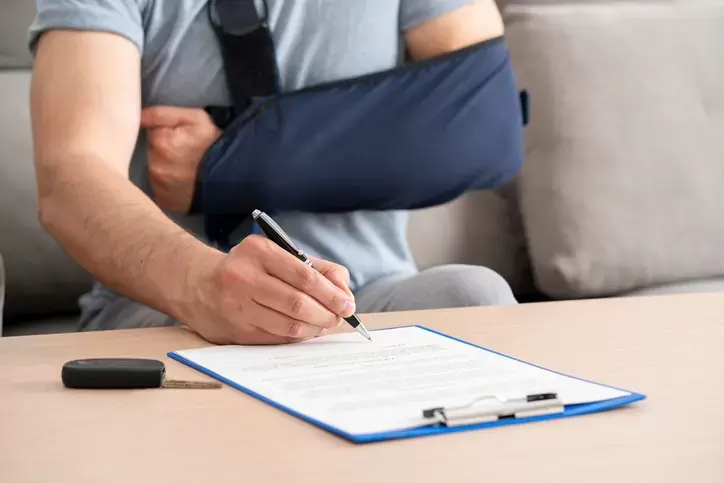
Documents sent shortly after an accident may include broad release language. Signing without understanding the full scope can close doors unexpectedly. Taking time to review paperwork carefully is a simple step that protects long-term interests.
Why Legal Guidance Is Often Sought Early
Personal injury law is not just about courtrooms. Much of the work happens quietly, through documentation, deadlines, and communication. Early legal guidance helps people avoid common missteps without escalating conflict.
An experienced accident lawyer understands how small details fit into the larger picture. Their role is often preventive—helping clients preserve options rather than rushing toward decisions that cannot be undone.
A Thoughtful Start Makes a Lasting Difference
Accidents disrupt lives in ways that are not always visible. The legal side of recovery does not have to be overwhelming, but it does require attention. The first few weeks matter more than many people realize.
By staying mindful of communication, seeking timely medical care, and keeping clear records, injured individuals place themselves on steadier ground. These are not aggressive moves. They are practical ones, rooted in clarity and foresight.
When handled thoughtfully, the early stage of an injury claim becomes less about damage control and more about building a fair, accurate account of what truly happened.
—

