


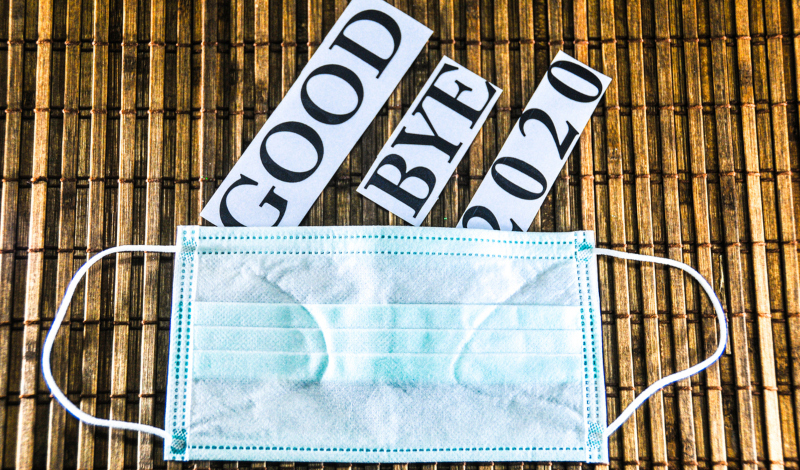
Hello everyone. If you’re reading this, first and foremost, thank you. 2020 has been hard on the collective as a whole. You’ve probably been somewhere between what the hell is going on here or 2020 has been rough but I’m grateful for the people and things that I have in life.
No matter where you are on this spectrum, you’re feelings and views are valid.
We have been forced to adapt to a time that has brought many challenges. People have lost their jobs and are struggling to figure their next move or how to feed their families.
Kids now have to adjust to the fact that they can’t see their friends at school. Their routines have been flipped completely upside down. Because of this, they’re losing a big part of their childhood development.
Working from home has taken businesses and the workforce by storm and it has its benefits. There’s no need to rush to leave the house for work, you don’t have to spend hours sitting in traffic and you’re spending less money on gas.
The downside? Work and home aren’t separate as they have been for so long. People have had to find office space in their homes and childcare options are cut down.
I’d be remiss if I didn’t mention that more than 337,000 families are changed forever. All of those families fell victim to COVID-19. We have often heard the word “infuriating,” when it comes to people blatantly ignoring mask-wearing and social distancing guidelines.
They figure “This is America, a free country, I can do what I want.” We think about ourselves, not others and that’s what makes this worse. This selfish and inconsiderate mentality caused this pandemic to explode out of control.
One good thing that 2020 has brought us is the awareness of just how important healthcare workers are. Many hospitals and nursing homes across the country have been flooded with COVID patients and are working tirelessly to treat and/or prevent outbreaks.
They deserve all the praise for how hard they’ve worked. The respect, admiration, and compassion we are giving them now must continue once all of this is over.
I too am one of the many unemployed people. I struggled a great deal to find the good in this situation. I tie my worth in work and I’m finding out that it’s harmful to do this. It has caused me to micromanage my life and force things to happen which sucks the energy out of me.
It can do that to you too if you’re not conscious of it.
If I’ve learned anything from this time, it’s that there is good that can be found in uncertainty.
The good that I found was in three tools that helped shift my perceptions of self and the world. They may not work for you, but give them a chance and see for yourself.
1. Journaling is a great way to navigate life during tough times
If you don’t have a journal, I highly recommend buying one, ASAP. Writing in a journal gives you a roadmap to navigate life whether you’re facing adversity or when life is good.
I know for me, as a 27-year-old man, I wish I had taken this practice more seriously in my early 20s. It’s a great tool for tracking progress and getting feelings and thoughts out of your head. Writing them down on paper can be very therapeutic in a way.
“The diary taught me that it is in the moments of emotional crisis that human beings reveal themselves most accurately. I learned to choose the heightened moments because they are the moments of revelation.” — Anais Nin
We all need to at some point give ourselves tough love and stop all the foolishness. Journaling is also another way to hold yourself accountable for past actions, feelings, or thoughts.
Going through life being willfully ignorant to when you are the problem in any given situation is not good. You can’t grow that way.
Writing out bible verses, asking and answering questions of myself is another vital use. I’ll admit I don’t subscribe to organized religion, but I do believe God exists.
Doing this has allowed me to unpack the negative mindsets and beliefs that I held. That is still a work in progress.
Wherever you are in life during this pandemic, write everything down. Take stock in yourself and the progress you’re making. Take note of the small and large things you’ve accomplished this year. Keep doing that moving forward. You’ll be glad you did.
2. Consider meditation and take it seriously
I don’t know how to meditate.
I’ve heard this over and over about meditation. The common occurrence when people meditate is mind-wandering. I have been meditating for over a year now and it happens to me frequently. People fear that they won’t do meditation the right way.
Here’s the thing: there is no right or wrong way to meditate. Meditation is about taking time for yourself to calm all of the “bad” feelings we experience in life, making a decision to be neutral toward them, and practicing gratitude.
We don’t have to attach ourselves to negative thoughts and feelings. We can choose our reaction to them. This gives us power.
“We can’t always change what’s happening around us, but we can change what happens within us.”-Andy Puddicombe, Headspace co-founder
My meditation journey started a short while before I graduated from college. I could sense there was a shift in the way I was thinking about my future, the people around me, and myself in general.
College was like getting sucked into a space vortex. The spaceship is shaking, nobody knows what the hell is going on and then the vortex spits the ship out and there’s quiet.
After I graduated, I finally had the space to do all of the inner work that I was lacking. My foundation wasn’t as sturdy as I thought it was. I truly was going through the motions for so many years.
For a couple of weeks now, I have been listening to “The Happiness Lab with Dr. Laurie Santos,” podcast. The “Calm Can Be Contagious,” episode had some gems in it about meditation.
Dan Harris, host of the “Ten Percent Happier,” podcast said that beginners should consider doing one-minute counts. Start small. Five or 10 minutes may not be doable in the beginning and that’s perfectly fine.
Dr. Santos added that those one-minute counts can happen when you’re washing the dishes, unloading the dishwasher, or washing your hands. You can use your daily activities as opportunities to meditate. Take time to follow your breath and be present in those moments.
Meditation also gives you a chance to deal with unpleasant emotions and situations from your past. This is scary for a lot of people but it is necessary for healing.
You don’t have to embrace those things and become friends with them. Recognize their existence and be compassionate toward yourself while you work through it. Harris brought up Psychologist Tara Brach’s R.A.I.N. method which can help:
Recognize what’s happening.
Allow the experience to exist as is.
Investigate with curiosity.
Nurture with self-compassion in mind.
The last key is third on this list but it is the most important in life.
3. Surrender. That’s the tweet
This is not the easiest thing to do. It is a decision that you have to make every day. Surrendering doesn’t mean giving up on yourself or your priorities. It means letting go of the attachment to insecurity, fear, anxiety, and anything else that causes us to deny love as our true nature.
“Surrender is a journey from outer turmoil to inner peace.” Sri Chinmoy
Now, I’m not saying that mental health disorders and other ailments will magically be solved by coming to this realization. We’re all human and everyone’s path is different.
If you are intentional about your healing process, then you will see things change for the better.
We are stronger than we believe. Rally around your loved ones and friends. Continue to improve yourself and your relationships.
If you made it this far, thank you. I appreciate you. Come back soon.
—
Previously published on medium
***

If you believe in the work we are doing here at The Good Men Project and want a deeper connection with our community, please join us as a Premium Member today.
Premium Members get to view The Good Men Project with NO ADS. Need more info? A complete list of benefits is here.
—
Photo credit: iStock

