



Author note: My dad died six years ago this month. Life has churned on, as life does. And for the most part, I am in a healthy place with my grief but it is not done and it never ever will be. This month, I intend to pay homage to the process of grief itself, which is impacting us globally at a scale we’ve scarcely, if ever, seen.
Originally published October 2015 on my personal blog
You heard that right. And yes, I meant it. In grief, weekends are the worst.
When grief was fresh and new, the weekends seemed like this vast expanse of time in front of me with nothing to do but deal with my thoughts and feelings. And that was far more difficult to deal with than meals or nap time or laundry or frankly, anything.
On the weekends, absent are the routines and busy schedules that fill our weekdays and make time march efficiently forward putting more space between you and that awful day and providing less space to think and hurt and feel the massive absence of him.
With looser schedules and lazier days come quiet times to reflect. The very qualities that I used to relish about our weekends together as a family were suddenly the qualities that left me anxious, restless, and longing for Monday for the first time in memory.

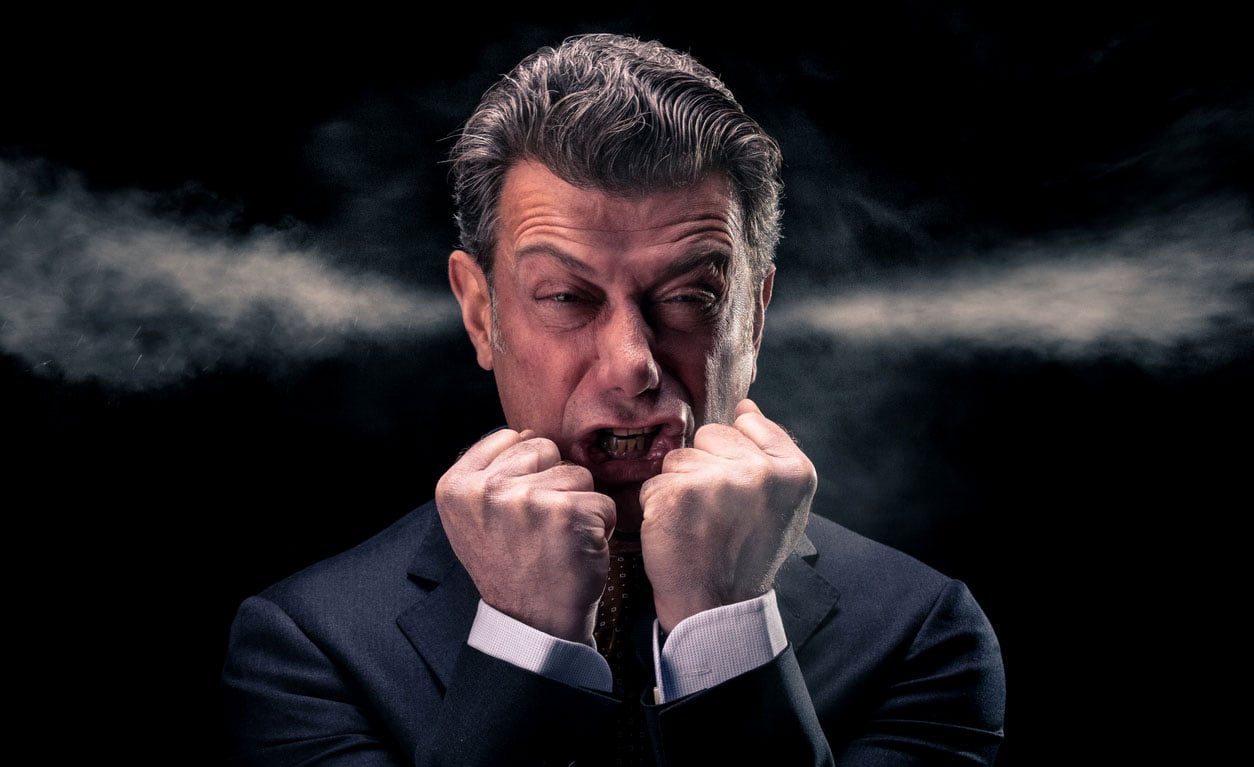
Image iStockphoto
With nothing pressing to do and heavy feelings pinning me down, I inevitably turned to distractions that make the weight easier to bear.
Sitting outside on game day, playing with our kids, having quality, relaxed family time is a healthy distraction. One of the few I relied on. I couldn’t have gotten through those early months without my husband’s steady love and support nor without the responsibility I shoulder in caring for our children.
But it wasn’t enough right then.
Social engagements were also a healthy distraction and I couldn’t have survived those early months without my amazing friends and the ease with which we socialize and love each other.
But that wasn’t enough right then, either.
In my weakened state, I didn’t have the will to refuse those immediate, temporary remedies that relieve the scratching anxiety and numb my overbearing emotions.
I quickly found myself unable to say “no more,” to make rational decisions, or to look out for my health and well being.
In an effort to make myself feel whole again, I filled myself to the brim with food, friends, drink, and play and yet at the end of it, I still felt fragmented, broken, empty.
I got lifted above all of that and escaped it, if only briefly, ignoring the inner voice that knew, “what goes up must come down.”
And I woke from my temporary high with the usual disbelief and forthcoming sadness leveled up with a thick layer of fog, exhaustion, and headache on top.
In short, it didn’t make me feel better.
But I did it because it was the weekend.
And in grief, the weekends are the worst.
—
This post was previously published on medium.com.
***
You may also like these posts on The Good Men Project:
 White Fragility: Talking to White People About Racism White Fragility: Talking to White People About Racism |
 Escape the “Act Like a Man” Box Escape the “Act Like a Man” Box |
 The Lack of Gentle Platonic Touch in Men’s Lives is a Killer The Lack of Gentle Platonic Touch in Men’s Lives is a Killer |
 |
—
Photo credit: Shutterstock.com

