


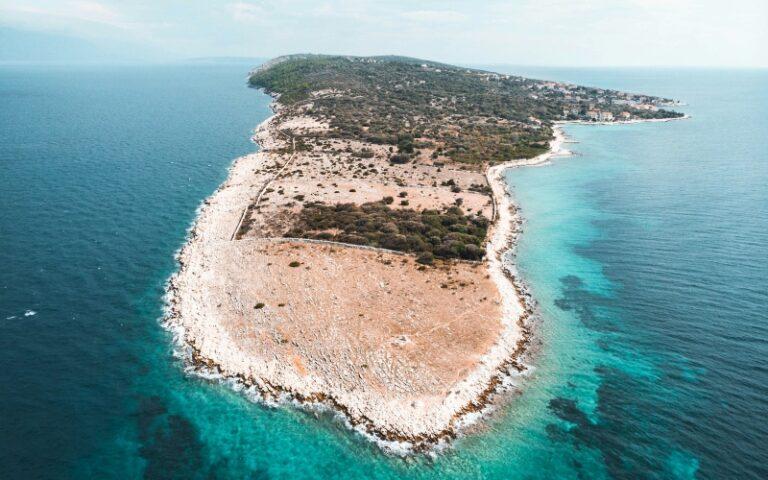
Safe havens are secure, predator-free areas for our most at-risk native wildlife. Excitingly, a major project is underway in South Australia to make the 3,854 hectare Flinders Island, off the west coast of the Eyre Peninsula, into a safe haven.
What makes a wildlife safe haven?
Today, Australia’s network of havens consists of more than 100 predator-free islands and over 20 fenced areas that contain predator-susceptible mammals.
Approximately one third of Australia’s safe havens have been created with human intervention, including fencing and the eradication of introduced predators and pests.
Threatened species then have a chance to naturally recover, or be introduced, or reintroduced, to the protected space.
Safe havens are home to critical ‘insurance’ populations of threatened species, and can provide source populations for new havens.
Why do we need safe havens?
Changes in Australia in the last 200+ years have dramatically impacted our unique wildlife.
Our small mammals have been especially vulnerable to foxes and feral cats, and around 30 species including some bilbies, bandicoots and wallabies have become extinct.
Even where small populations of threatened species have managed to hang on, introduced predators continue to put many at risk of extinction.
The Flinders Island Safe Haven Project is currently underway to eliminate feral cattle, rats, mice and cats from the island, with completion expected in December 2025.
Islands have been natural safe havens
Through good fortune, some small mammals have had populations on offshore islands without feral predators, and have avoided extinction.
For example, the Stick-nest Rat was once widespread across arid South Australia.
By the 1930s it had become extinct on the mainland, surviving on just two islands off Ceduna.
Early conservation efforts recognised the important role of natural island havens, and now island safe havens are central to the ongoing conservation of many small mammal species.
Why Flinders Island holds great promise as a safe haven:
- ‘Built-in’ biosecurity as an island, reducing the potential for reinvasion (with strict biosecurity protocols for all future visitors).
- No costs of building and maintaining a predator-proof fence.
- Remote location and distance from sh combined with limited and managed visitation.
- Relatively mild maritime climate and reliable rainfall, compared to arid zone havens that are more susceptible to climate change threats of drought and severe heatwaves.
- Remnant native vegetation including Drooping She-oak woodland and Tea Tree forest, plus large areas formerly cleared for agriculture demonstrating natural regeneration.
Find out more about the Flinders Island Safe Haven project:
- Creating an island safe haven for threatened species
- Landscape South Australia – Eyre Peninsula | Flinders Island Safe…
—
Previously Published on environment.sa.gov.au with Creative Commons License
***
–
The world is changing fast. We help you keep up.
We’ll send you 1 post, 3x per week.
Join The Good Men Project as a Premium Member today.
All Premium Members get to view The Good Men Project with NO ADS. A $50 annual membership gives you an all access pass. You can be a part of every call, group, class and community. A $25 annual membership gives you access to one class, one Social Interest group and our online communities. A $12 annual membership gives you access to our Friday calls with the publisher, our online community. Need more info? A complete list of benefits is here.
—
Photo credit: unsplash

