


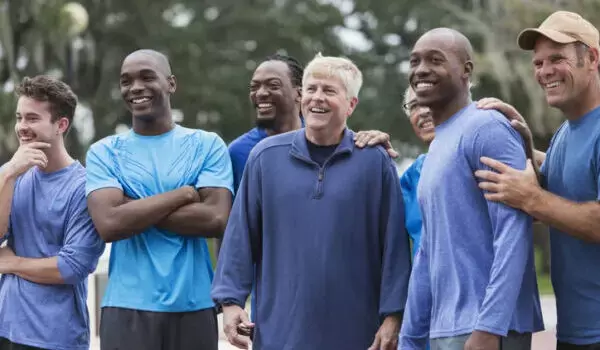
Exploring Evolving Roles, Personal Growth, and Authentic Stories from Men in the 21st Century
In the 21st century, the concept of masculinity is undergoing a profound transformation. Traditional ideals are being questioned, and new narratives are emerging that redefine what it means to be a man today. This article delves into the evolving roles of men, highlighting personal growth, diverse experiences, and the shifting cultural landscape that is shaping modern masculinity.
The Shifting Landscape of Masculinity
For generations, masculinity was associated with a set of rigid expectations: emotional restraint, physical strength, and an unwavering focus on providing for and protecting one’s family. These ideals, while deeply ingrained in many cultures, are increasingly being scrutinized as society evolves.
Emotional Vulnerability: One of the most significant changes in modern masculinity is the increasing acceptance of emotional vulnerability. Historically, men were expected to suppress their feelings, viewing emotional expression as a sign of weakness. However, this notion is being challenged as more men recognize the benefits of emotional openness. High-profile figures like actor Dwayne Johnson and mental health advocates like Prince Harry have openly discussed their struggles with mental health, inspiring others to follow suit. This shift is crucial, as mental health issues among men—such as anxiety and depression—are gaining more attention. By breaking the stigma surrounding emotional expression, men are finding new ways to connect with themselves and others, leading to healthier, more balanced lives.
Redefining Roles: Fatherhood and Domestic Life
The role of fatherhood has seen a dramatic shift over recent decades. No longer confined to being the sole breadwinner, modern fathers are embracing more involved roles in parenting and domestic responsibilities. This change reflects broader societal shifts towards gender equality and a rethinking of traditional family dynamics.

Involved Fatherhood: Stories of fathers actively participating in childcare and household tasks are becoming more common and celebrated. For instance, fatherhood bloggers like Ryan Hamilton and his “Dad and Buried” blog, and social media influencers like Matt Schneider with his “Dad Life Lessons” account, offer insights into the daily experiences of engaged fathers. These men share their stories of balancing work and family life, challenging stereotypes that depict men as distant or uninvolved parents. Their narratives highlight how fatherhood is evolving, emphasizing the importance of shared responsibilities and emotional connections with children.
Work-Life Balance: The push for a better work-life balance has also influenced fatherhood. Many men are negotiating flexible work arrangements to spend more time with their families. Companies like Google and Microsoft offer paternity leave policies that support this shift, recognizing the benefits of allowing fathers to be more present at home. This evolving work culture helps to break down traditional gender roles and supports the idea that parenting and career success are not mutually exclusive.
Addressing Outdated Norms and Stereotypes
The concept of the “disposable man” reflects outdated norms that place men in roles where their value is tied to their ability to endure hardship or sacrifice. This notion is being increasingly challenged as society begins to recognize the impact of these expectations on men’s well-being and safety.
Workplace Hazards: Men are disproportionately represented in high-risk professions, such as construction, mining, and military service. These roles often come with increased risks of injury and death. Addressing these risks and advocating for better safety measures and support for men in these industries is crucial. Organizations like the Occupational Safety and Health Administration (OSHA) are working to improve safety standards, but continued efforts are needed to ensure that men’s health and safety are prioritized.
Incarceration Rates: Another aspect of the “disposable man” narrative is the high incarceration rates among men. According to the Bureau of Justice Statistics, men make up approximately 93% of the prison population in the United States. This disproportionate representation raises questions about systemic issues in the criminal justice system and the societal factors that contribute to high incarceration rates among men. Addressing these issues requires a comprehensive approach that includes criminal justice reform, mental health support, and efforts to address underlying social inequalities.
Embracing Body Image and Health

Body image issues are often thought to affect women more, but men also face significant pressures regarding their appearance. The rise of social media and idealized images of masculinity can lead to unhealthy comparisons and self-esteem issues.
The Impact of Media: Social media platforms and advertising often promote unrealistic body standards, contributing to body dissatisfaction among men. The prevalence of fitness influencers and bodybuilders showcasing idealized physiques can create pressures to conform to certain body types. However, men of all shapes and sizes experience body image issues, and it’s important to recognize and address these challenges.
Health Challenges: Stories of men dealing with body image issues, disabilities, or chronic illnesses offer a more nuanced perspective on masculinity. For example, men who live with conditions like obesity, diabetes, or mobility impairments face unique challenges and stigmas. Highlighting these experiences helps to broaden the understanding of masculinity and promotes a more inclusive definition of what it means to be a man. Initiatives like the Body Positive movement and organizations like the National Eating Disorders Association (NEDA) are working to raise awareness and provide support for men facing body image concerns.
Normalizing Consent and Healthy Relationships

Consent is a critical aspect of all relationships, yet it is often overlooked in discussions about masculinity. Men are increasingly being encouraged to view consent as an essential component of respectful interactions.
Educational Efforts: Programs and campaigns aimed at educating men about consent and respectful behavior are becoming more prevalent. For instance, initiatives like the “It’s On Us” campaign and the “Consent Is” movement focus on raising awareness about the importance of consent and promoting healthy relationships. These efforts help to challenge harmful stereotypes and foster a culture of mutual respect.
Changing Perspectives: By addressing issues of consent openly, men can contribute to a cultural shift that values respect and communication in relationships. This change is essential for fostering healthier dynamics and challenging outdated notions of masculinity that perpetuate harmful behaviors.
Conclusion: A Path Forward
The journey to redefine masculinity in the 21st century is ongoing and multifaceted. It involves embracing change, challenging traditional norms, and fostering a more inclusive dialogue. By highlighting stories of personal growth, emotional vulnerability, and diverse experiences, we can contribute to a broader understanding of modern masculinity.
Men are not monolithic, and their experiences are varied and complex. Sharing these stories and supporting the evolution of masculine identities can help create a society where every individual can thrive. As we continue to explore and redefine what it means to be a man, we pave the way for a future where authenticity, emotional well-being, and respect are at the forefront of our understanding of masculinity.
—
Join The Good Men Project as a Premium Member today.
All Premium Members get to view The Good Men Project with NO ADS.
A $50 annual membership gives you an all access pass. You can be a part of every call, group, class and community.
A $25 annual membership gives you access to one class, one Social Interest group and our online communities.
A $12 annual membership gives you access to our Friday calls with the publisher, our online community.
Register New Account
Need more info? A complete list of benefits is here.
iStock featured image
internal images iStock


It’s a good summary of the optimistic progress some men are making toowards gender equality , Ripal. However, at the same time, too many men are stuck in the Andrew Tate view of masculinity, which I think can be summed up as ‘dominance at at costs’, a stance which is reflected in our capitalist eonomy, much of which depends on the strong exploiting the week. The challeneg for me is, in what way can I contribute best to the extinction of the dinosaur of macho culture/economics so that we can all progress to a happier more equal world.