


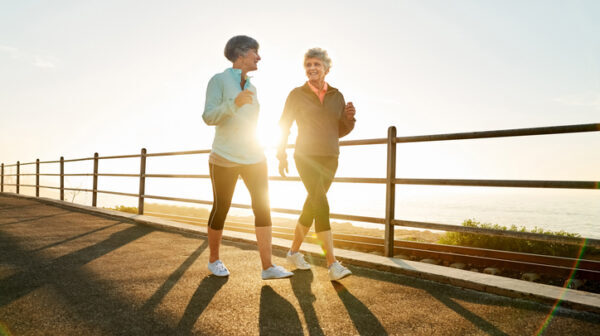
My philosophy on health and medicine is simple: it’s all about enjoying your life, not just avoiding sickness or chasing extra years. Too often, people twist health into something that steals their joy. A little discipline makes sense, but health should enhance your life, not control it.
Consider Bryan Johnson, a wealthy tech entrepreneur near Las Vegas. He has lowered his biological age 10–15 years through extreme measures like scheduling sex in a strict 90-minute window. It seems to work for him, but that level of control can strain relationships and drain the fun out of life. I would rather live with a bit more freedom and a lot more happiness.
Then there are people who force themselves into ice baths even when they hate them. Extreme steps like ice baths aren’t needed for a healthier life. That said, building exercise habits, eating better, and sticking to a sleep schedule all seem reasonable. It is about balance, not punishment.
With that in mind, here are some practical, enjoyable body hacks and how AI can help you make them part of your life. The following is largely based on an excellent Audible Original by Kimberly Wilson titled Hack Your Body, Heal Your Mind (2025).
Morning Light: A Simple Boost
Veronica, 45, felt happier after morning walks with AI app reminders. Science backs this up. Studies show that bright light therapy can improve depression symptoms significantly, with benefits often seen within 2 weeks of daily use. This makes morning light one of the best health investments for minimal effort.
Getting natural light in the morning helps in many ways. It can lift your mood, improve your sleep, and balance important hormones. These include melatonin (which controls sleep) and cortisol (which affects stress and energy). Neuroscientist Andrew Huberman explains that viewing bright light early in the day sets your body’s internal clock for better sleep and mood.
The best time is within 1–3 hours of waking up. It’s simple: step outside for 10 minutes with your coffee or take a short walk. No fancy tools are needed—just natural daylight on your face.
Sleep: Beyond Basic Rest
Sleep improves your health and can even lower your risk of getting dementia. AI tools can help you get better sleep by tracking your patterns and suggesting changes.
How to Use This Hack with AI
Sleep tracking devices can show you what’s really happening when you sleep. The Oura Ring and Withings Sleep Analyzer track your deep sleep and REM sleep. These are the stages your brain and body need for recovery. The Eight Sleep Pod goes further: it changes your bed temperature through the night. It cools you down during deep sleep and warms you up before wake time.
Apps like SleepSpace can find patterns in your sleep data. They might discover that using your phone after 9 PM cuts your deep sleep by 20%. Or they might find that reading before bed increases it by 15%. These personal insights help you make better choices.
Start simple with a free app like Sleep Cycle. Use it for at least 2 weeks to gather data. Look at the app’s analysis of your sleep patterns. Try its suggestions for bedtime, wake time, and bedroom setup. Track both your sleep scores and how you feel during the day.
Walking: Small Steps, Big Benefits
Alejandro, 50, eased stress with AI-guided walks after tough workdays. Walking sounds simple, but it’s powerful. Just 10 minutes can calm stress, lift your mood, and get your body moving. Research shows that three 10-minute walks spread throughout the day work just as well as one 30-minute walk for improving fitness and lowering blood pressure. Breaking up exercise into shorter chunks makes it easier to fit into busy schedules, which helps more people stick with their walking routine.
Since walking is weight-bearing, it’s better for your bones and muscles than you might think. Out in nature, it’s a mental reset. After a tough moment—like an argument with someone—a walk can cool you off.
How to Use This Hack with AI
The Mindstrong app detects stress from typing patterns and voice tone before suggesting a brief walk. AllTrails and Strava recommend walking routes based on your preferences for terrain, greenery, or quiet areas. Fitbit Premium’s AI discovers how different walking patterns (pace, duration, time of day) affect your particular stress markers and sleep quality. The Motion app identifies which meetings could be done while walking. Turn on notifications for your health app (Apple Health or Google Fit). Set up stress monitoring on your wearable device. Create a walking playlist that your AI assistant can trigger when needed.
Health means feeling good, not perfection. These hacks support that philosophy. AI makes them easier by analyzing your data to identify which approaches work best for your unique biology then helps you stick with them through timely reminders and progress tracking. The key advantage of AI in health improvement is not merely convenience but tailoring. Instead of following generic health advice, you can discover which specific steps produce the best results for your body. This makes the path to better health more efficient and enjoyable. Let AI help you use these hacks intelligently. Remember that the goal is not to live forever. It is to live better right now.
—

Dr. Earl J. Campazzi, Jr. brings over 35 years of clinical experience and four board certifications to his Palm Beach concierge practice, bridging traditional medicine with modern technology. A graduate of the University of Pittsburgh School of Medicine, he also holds three degrees from Johns Hopkins University—including a Master of Public Health from the School of Hygiene and Public Health—and an MBA from Duke University. Dr. Campazzi’s distinguished career includes serving as Chief Resident in Preventive Medicine at Johns Hopkins and Senior Associate Consultant at the Mayo Clinic. As founder of Island Medical Care, he has practiced concierge medicine in Palm Beach since 2006, earning national recognition such as HCA’s Top Physician for Patient Satisfaction award, while maintaining staff privileges at leading hospitals including Cleveland Clinic Florida. Passionate about making artificial intelligence accessible to everyone—even those who aren’t “tech people”—Dr. Campazzi helps families use simple, practical tools to live longer, healthier lives. Outside of medicine, he enjoys life in Palm Beach with his wife, Julie, and their three Chinese Crested Powder Puff dogs—Buster, Fred, and Lilly.

