


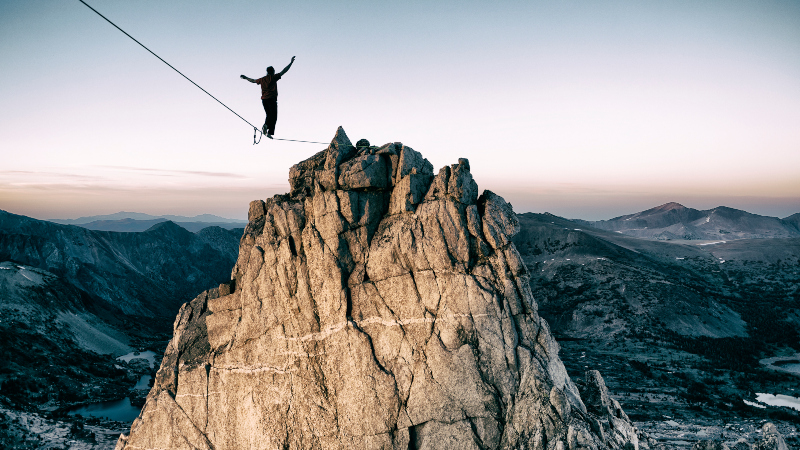
I spend an enormous amount of time working with and writing about human factors. The driving forces behind behaviour and habit have always been fascinating and, working in an emergency services role, I get to see the best and the worst of people in every type of situation, from the everyday to full crisis point. Nothing draws me in more than the extremes of those who want to make a difference and others who need to turn a blind eye.
One of the most common themes dividing the two seems to be fear. Not just fear of seeing something shocking, but all kinds.
I won’t overload you with stories of first responders or those already wearing shoes designed for confronting scenes, I’m talking bystanders, helping hands and everyday people who happen to find themselves in the right (or wrong) places at the right (or wrong) times.
The fears are wide and varied, but common themes become more apparent over time and, occasionally I get to hear from people once the dust settles about how they almost didn’t intervene, but feel so glad afterwards that they did. Sometimes it’s disinterest, a feeling of inability to provide value, a lack of desire to become involved or something else, but overwhelmingly, it’s fear that stands in the way.
- Fear of interfering
- Fear of upsetting others
- Fear of being late for work or an appointment
- Fear of getting dirty or contaminated
- Fear of being injured or assaulted
- Fear of making a mistake
- Fear of appearing judgmental
- Fear of looking foolish
- Fear of being insulted
- Fear of the unknown
The list is endless as there’s no way of knowing other people’s thoughts. It stands to reason then, that in order to step in, fear often has to be first overcome. And that’s the most fascinating part.
What is it that enables others to stop in their tracks, make a difference, connect with a stranger and offer to help, despite all of the fears that may nag at them as they cross into unknown territory?
Comfort zones seem to have a big part to play.
Humans are designed to seek safety, shelter and comfort in order to stay safe, sheltered and comforted. It makes sense that we’re driven by this inherent desire when we look back to the sparse wilderness and barbaric rituals from ye olden times.
Stepping outside of the comfort zone is bound to be a little tricky, our sympathetic nervous system kicks in and sets us on edge. It prepares us for fight or flight the minute something changes. But sitting inside it, without ever venturing past its perimeter, can mean that we miss out on so much.
Nowadays, we are exposed to more knowledge, more detail and more insight than we ever have been in the past. In true human form, we step further in, or out, based on our fears.
In-depth books exist about every manner of adventure possible, so we get to experience all of the highs and lows through reading, without ever leaving the couch.
Social media feeds bombard us with outdoor activities and pastimes, and we begin to feel that we’re there, even though the boundaries are limited to the smartphone screen in the palm of a hand.
Podcasts fill our ears and minds with words and information so detailed, so raw and so authentic, from those in the know, that we begin to know almost as much as they do. Despite never having walked in their shoes.
TV shows and movies mesmerise us with high-definition cinematography and surround sound, so real that it’s hard not to feel like we’re actually right there in the moment.
During lockdown and travel restrictions through months of pandemia, countless online friendships and relationships have formed, built and gained momentum, then developed into strong bonds or even love, without people ever having met.
The learning and emotion and happiness to be found within the comfort zone may grow, but the outside world possibilities begin to shrinks along with them.
Personally, I’m starting to feel a little too cozy on the days I don’t have to be at work. So I’ve decided to break my own little boundaries down before they get bigger, become too familiar and end up decorated in my favourite tones. Rather than little fences to step over when I leave the zone, I can see how quickly they may grow into towering, solid walls that hem me in and stop me from experiencing anything other than the necessities in life.
I’m not only stepping out, I’m diving right in, just like the everyday humans I meet regularly, that choose to lend a hand on emergency calls instead of driving past or walking on by. A new pastime that stretches my imagination, forces me to experience something unknown and squashes my fear, or at least takes the edge off is exactly what I need.
I might end up looking foolish.
I will no doubt feel silly.
I am highly likely to look clumsy.
I definitely already feel fearful.
But the driving force is that I don’t want to get stuck in here forever, where it’s safe and warm and predictable and controlled.
What does your comfort zone look like?
Organised and functional with everything you need, so you can step out, then back into safety when you choose?
Or so warm, well-padded and overstocked that with no pressing reason to leave, you could end up trapped within its walls forever?
About Tammie Bullard
I’m an author, paramedic, educator and self-confessed reading addict with a passion for using words to promote positive change.
With three pre-hospital care books and regular columns in EMS and Emergency Services publications worldwide, my fascination for the human factors in everyday life continues to grow.
Thanks for reading, feel free to get in touch from any walk of life, I’d love to hear from you.
—
Previously published on medium
***

If you believe in the work we are doing here at The Good Men Project and want a deeper connection with our community, please join us as a Premium Member today.
Premium Members get to view The Good Men Project with NO ADS. Need more info? A complete list of benefits is here.
—
Photo credit: on istock

