


—
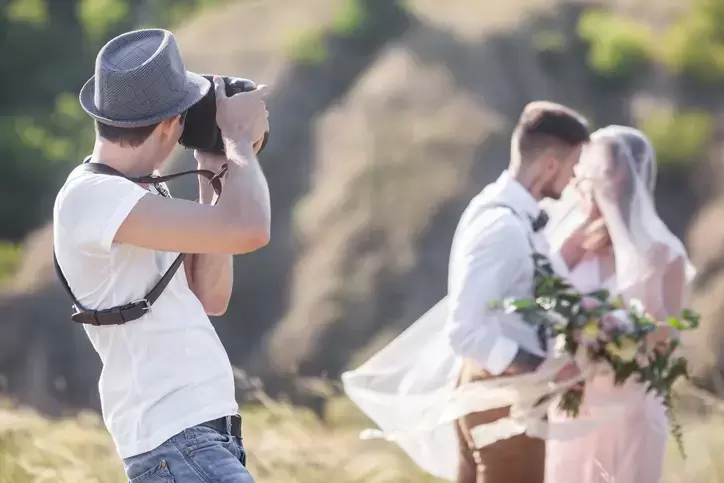
Wedding photography is more than just capturing happy moments. It’s about creating memories that will bring joy to you and your loved ones for years to come. Choosing the right wedding photographer can be one of the most important tasks in preparing for your special day.
Defining Your Wedding Style
Wedding photography styles can vary greatly. Here are a few popular ones:
- Classic: Formal poses and staged shots that highlight important moments of the ceremony.
- Documentary: Natural, candid shots that capture genuine emotions and moments.
- Artistic: Creative and unique compositions that focus on aesthetics.
The style you choose should align with the overall mood and theme of your wedding. If your wedding is formal and traditional, a classic style might be ideal. For a more relaxed and informal event, documentary photography may be a better fit.
Setting Your Budget
Determining a budget for your wedding photographer is another important step in planning your wedding day. The average cost of wedding photographers can vary significantly based on their experience, reputation, and the services they offer. Key aspects to consider when setting your budget include:
- Hours of coverage: Clarify how much time the photographer will spend at your wedding. This may cover both the ceremony and the reception, including evening events. Some photographers offer a fixed number of hours, while others may provide flexibility.
- Additional time: Ask how extra hours are billed if your wedding runs over time.
- Editing and processing: Inquire about the time required for editing and processing photos, which can range from a few weeks to several months, depending on the photographer’s workload.
- What’s included: Determine what editing services are included, such as color correction, retouching, special effects, and photo preparation for print.
- Prints and albums: Find out if printed materials, such as photo books, albums, or prints, are included in the cost. Some photographers offer packages that include these extras.
- Printing costs: If prints and albums are not included in the base package, ask about their costs separately. Pay attention to print quality and the materials used for the albums.
- Additional services: If you’re interested in videography, check if it can be added to the photographer’s package and how it affects the price. Ensure that all necessary consultations and meetings to discuss details and preferences are included in the price.
- Budget planning: Set aside a portion of your budget for potential extra costs or unforeseen expenses. Compare offers from different photographers to ensure you’re getting the best value for your money.
Photographer’s Portfolio
A photographer’s portfolio allows you to assess their style and quality of work. It’s not just a collection of photos but a visual representation of the photographer’s professionalism and individuality. Here’s how to evaluate a portfolio:
- Overall style and quality: Look at the photographer’s overall style. What approach do they use? It could be classic, documentary, artistic, or a mix. Ensure the style matches your vision and expectations.
- Image quality: Assess the technical quality of the photos, including sharpness, color accuracy, and exposure. High-quality images indicate the photographer’s skill and ability to work in various lighting conditions.
- Light and composition: Observe how the photographer uses light to create atmospheric and expressive shots. Good photographers know how to work with both natural and artificial lighting. Evaluate the composition of the shots, including object placement, color harmony, and artistic techniques used.
- Emotions and moments: Pay attention to how the photographer captures emotions and the atmosphere of the moment. Great photos should reflect not only the external events but also internal feelings such as joy, love, and excitement.
- Variety of shots: Examine how the photographer handles different aspects of the shoot, such as preparation, ceremony, reception, and evening events. Look for a variety of shots, including posed and candid ones, to understand how they work with groups and individuals.
Reviews and Recommendations
Look for reviews of the photographer on specialized websites and social media. It’s also helpful to get recommendations from friends or other wedding professionals. Insights from others can give you an idea of the photographer’s reliability and quality of work.
- Specialized websites:
- WeddingWire: Provides reviews and ratings for wedding photographers, along with feedback from brides and grooms. You can filter searches by location and photo style.
- The Knot: Another popular resource for finding wedding professionals, with reviews and ratings for wedding photographers.
- Fearless Photographers: A platform focused on high-quality wedding photography and reviews of photographers who specialize in creative and unique shoots.
- Social media:
- Instagram: Find photographer profiles, view their work, and read client comments. Posts and stories often feature real weddings, giving insight into the photographer’s work in action.
- Facebook: Join local wedding groups or pages to find reviews and recommendations. Participate in discussions for advice and suggestions from other users.
- Pinterest: While it’s primarily a platform for ideas and inspiration, you can find pins with recommendations and reviews of photographers, as well as examples of their work.
- Recommendations from friends and specialists:
- Friends and family: Ask friends and relatives who have recently had weddings for their recommendations. Their personal experiences can be very helpful.
- Wedding planners: Professionals in the wedding industry, such as planners and coordinators, can recommend reliable photographers they’ve worked with.
Personal Meeting
Meeting the photographer in person can help you establish a comfortable working relationship with them. This face-to-face interaction allows you to evaluate the photographer’s professional skills and gauge how well you will work together.
During the meeting, discuss how the shoot will be organized and share your ideas and preferences. This helps ensure that your expectations align and that the photographer understands what matters most to you.
Discuss the equipment that will be used and any plans for unexpected situations. Knowing how the photographer handles backup equipment and photo processing gives you additional confidence.
Personal contact also helps build rapport with the photographer. If you feel comfortable and can discuss your ideas openly, it will positively impact the results. When you’re relaxed and confident, it will show in your photos.
Service Packages and Contract
When evaluating a wedding photographer’s offer, carefully review what each service package includes. Photographers offer various options, and understanding them will help you select the best fit for your celebration.
Service packages can range from standard coverage and basic shots to more extensive options that include additional services. For instance, some packages may include not only the shoot but also photo editing, photo books or albums, and extra services such as pre- or post-wedding sessions.
Pay attention to details such as the number of hours the photographer will work, the number of final images, and the format in which they will be delivered. Clarify how additional hours are handled if the wedding runs over.
Discuss the contract terms thoroughly. The contract should clearly outline all aspects of the agreement, including deadlines for photo delivery, usage rights, and terms for unforeseen circumstances. This helps avoid misunderstandings and ensures that all important details are addressed in advance.
By carefully reviewing and discussing service packages and contract terms, you can ensure you receive exactly what you expect and that all details are clearly defined.
Technical Aspects
When choosing a wedding photographer, consider not only their style and experience but also the technical aspects of their work. Professional photographers use advanced equipment to ensure high-quality images.
Inquire about the equipment that will be used on your wedding day. This includes not just cameras and lenses, but also lighting equipment that can significantly impact photo quality. Professional photographers typically use multiple cameras and lenses to adapt to different lighting conditions and scenes.
Discuss how the photographer handles data backup. Reliable storage and backup of photos are critical to avoid data loss. Find out what methods are used to protect your photos, whether through external drives, cloud services, or other systems.
Post-processing is also an important aspect. This is where photographers adjust color, contrast, and other parameters to enhance the final images. Good post-processing can significantly improve the quality of the final photos, adding a professional touch.
Chemistry and Trust
The importance of rapport and comfort with your photographer cannot be overstated. Your wedding is not just an event. It’s a special moment, and interacting with the photographer should be stress-free.
Comfort and trust can affect how you willl feel throughout the day. If you feel relaxed and confident around your photographer, it will reflect in the natural and genuine quality of your photos. A photographer who is easy to communicate with will help you feel at ease and relaxed in front of the camera, which in turn will enhance the quality of the photos.
It’s important that the photographer understands your wishes and expectations. Discuss your ideas and preferences, and make sure they are capable of accommodating them. When you see that the photographer listens and considers your requests, it creates a sense of understanding and trust.
This personal connection ensures that your wedding day is captured exactly as you envision it. Choose someone with whom you feel comfortable and at ease — this will guarantee both great photos and positive memories of the photo shoot experience.
Conclusion
Choosing the perfect wedding photographer requires attention to detail and a thoughtful approach. Make sure the photographer aligns with your style, budget, and requirements. Remember, the ideal photographer is not only a master of their craft but also someone you feel comfortable working with. By following these recommendations, you can pick a professional who will make your wedding day unforgettable.
—

