


—
The last thing any homeowner wants is a major repair or unexpected problem. But when you don’t commit to a diligent approach to home maintenance, small issues can snowball into expensive problems. The best solution is to make a list of seasonal home tasks, distribute responsibilities across all members of the household, and take care of everything together.
Keep reading as we explore 12 seasonal home tasks that can ease your stress and save you money.
1. Replace Dirty HVAC Filters
When your HVAC filters are caked in dirt and debris, they won’t work as efficiently. As a result, you’ll see higher utility bills for your home, and your HVAC system will have to work harder. You can combat this problem by regularly changing HVAC filters. Aim to do this roughly four times each year, if not more frequently. You’ll improve air quality and help keep your system running smoothly.
2. Book HVAC Tune-Ups on Your Calendar
While it might feel like an extra expense to book HVAC tune-ups each spring and fall, those services are well worth the investment. You’ll be able to spot smaller issues before they become bigger problems that limit the lifespan of your furnace or AC unit. A reputable full service heating and cooling company can ensure that your systems are in good working order for the upcoming season.
3. Remove Lint from Dryer Vents
Don’t let lint buildup in dryer vents create a fire risk. Failing to clean the lint trap can cause your dryer to work harder, too. Commit to removing the link after each load to keep your dryer at the top of its game.
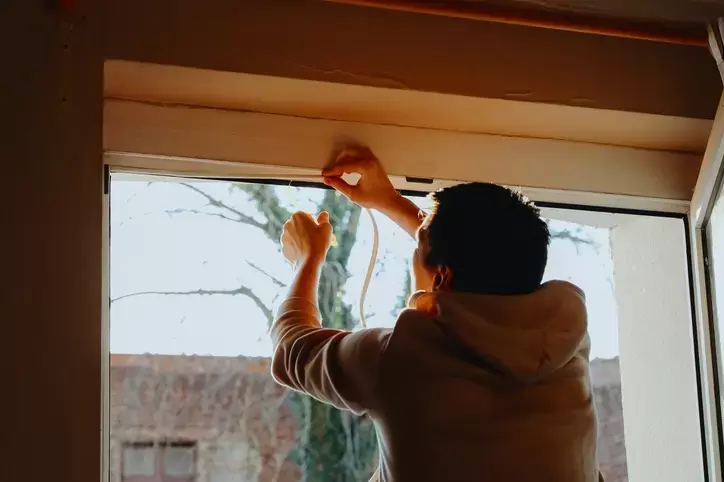
4. Use Weatherstripping Around Doors and Windows
Does your home feel drafty in the winter and muggy in the summer? You probably have air leaks around windows and doors that are making it more uncomfortable indoors. You’re probably also taxing your HVAC system more and contributing to higher utility bills. Weatherstripping can provide a better seal against intrusive air.
5. Remove Sediment from Your Water Heater
Your water heater won’t last as long if it has sediment in the tank. That’s why it’s so important to flush the tank each year for the sake of your energy bill and budget. Outsource this job to a plumber if you’re not sure what to do.
6. Program Your Thermostat
Programmable thermostats can make your life easier. They can help you regulate energy use and keep your utility bills under control. Program your thermostat to be cooler in the winter when the house is empty. In the summer, set the temperature higher during the day if everyone is gone. Periodically check your settings, too, as your schedules evolve.
7. Test Your Smoke and CO Detectors
Don’t neglect to test smoke and CO detectors twice a year. You want to be confident they’re working properly. Check the batteries, too, so they’re reliable. You’ll help keep your family safe in the event of an emergency.
8. Get Your Gutters Cleaned
If your gutters are clogged, you’re asking for problems. You could see leaks into your foundation since water won’t have anywhere to go during a rainstorm. Commit to getting them flushed of debris each spring and fall. That way, water can move easily away from your foundation.
9. Check for Deterioriating Paint or Caulk
A home with cracked caulk and peeling, flaking paint can be an invitation for problems. Without a proper coating, your home is susceptible to moisture and rot. Do a visual inspection of all painted surfaces, like siding, and attend to any exposed areas immediately.
10. Take Care of Your Appliances
You depend on refrigerators and washing machines to keep your home humming. Regular maintenance of hoses and coils can help prevent bigger maintenance problems. You’ll also boost efficiency.
11. Do Seasonal Plumbing Checks
Look under sinks and around appliances for leaks that might otherwise go unnoticed. When you spot a leaky pipe and attend to it quickly, you can prevent hidden water damage and save money. It’s always best to work with a skilled plumber to address these concerns.
12. Take Stock of Your Emergency Supplies
Are you prepared for an emergency in your home? Make sure you have an emergency kit stocked with Band-Aids, flashlights, and other key tools. Have bottled water and a nonperishable food supply ready, too. Do a check of your emergency kit and update it as needed each year.
Keep Your Home in Good Shape
When you stay on top of seasonal home tasks, you’ll keep your home operating well. Check your HVAC system, gutters, and smoke alarms regularly. Schedule routine maintenance of major home appliances and keep an updated emergency supplies kit handy. Focus on being diligent about proactive home maintenance efforts so you can avoid big problems down the road and keep your home comfortable.
—

