


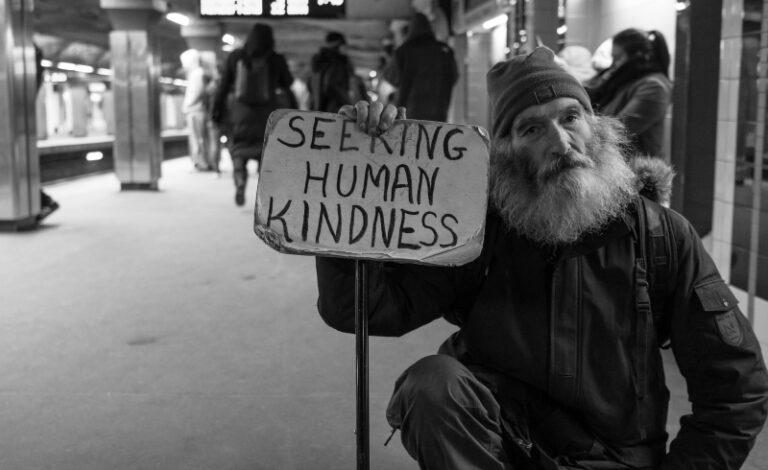
My mom and brother have dealt with similar feelings. I’ve worked with many others who’ve had identical issues.
Seeing the people closest to me struggle inspired me to become a Mental Health Therapist. I specifically studied (and continue to study) shame, guilt, apathy, and low self-esteem because I believe they impact a person’s mental and emotional states the most. And poor psychological well-being affects every aspect of a person’s life.
. . .
What Is Shame?
Shame is the reason you feel useless.
Shame is the belief “I am not good enough. I’m broken. I’m useless. I’m not loveable. I’m to blame for others’ actions toward me.”
Shame is the trunk of the tree and guilt, fear, blame, anger, pride, and perfectionism are its branches.
People feel numb or like a “nonperson” when shame has become habitualized. They hang their heads, slink away, and wish they were invisible. Their personalities are often shy, introverted, and withdrawn.
Shame is surrounded by layers of fear and anger. Humans fear feeling negative about themselves (shame). Humans also don’t like to feel scared. So we lash out verbally or physically because we fear the feelings of fear and shame. Serial killers, cult leaders, and violent protesters direct their rage on the innocent or false suspects.
Male serial killers murder prostitutes because they were “evil sinners whose families didn’t care about them.”
Hitler killed millions of Jews because he believed their race and religion “was weak and less than Christians.”
Moral extremists form vigilante groups and project their anger towards “any person that doesn’t have the ‘right’ values.”
And the more shy, inverted person with compounded self-hate will commit suicide.
. . .
The Causes of Shame
Your parents are the main cause of shame for they are the first people you encounter when you enter life. They build the foundation for how you view yourself.
Most serial killers come from abusive households.
Neglect, a dismissive comment, or lack of approval from a parent is all that is necessary to inject your mind and body with shame.
Infidelity, mental and physical abuse and failed relationships alter what you believe to be true about yourself in relation to yourself and others.
Some other causes: bullying from siblings and peers, poor academic performance, termination from a job, and unrealistic values from social media, celebrities, and religion.
. . .
How To Cure Shame
Knowing the cause is important, but it won’t help you heal.
For some, knowledge about the causes gives them more bullets in their blame gun that they fire at others or themselves.
If I were to break my leg, I don’t need to know why or how I broke my leg; I just need the damn thing fixed.
To heal shame, you have to change your relationship with you. You have to treat yourself with compassion.
A crucial aspect of any relationship is communication. Your internal dialogue affects your relationship with yourself.
As mentioned previously, our inner voice may not be ours. It could be that of your mom, dad, brother, sister, or romantic partner. Regardless, what we have to do is neutralize the critical self-talk and replace it with kinder words.
And, no. This is not affirmations.
Affirmations don’t work.
I repeat.
Affirmations do not work.
Affirmations don’t work permanently because instead of changing how you treat yourself, you’re using false (or “facts” without evidence) statements to fight “negative” thoughts.
One, you never want to fight yourself. The energy of fight is dense and we don’t need any more heavy emotions.
And two, labeling thoughts as “bad” or “negative” will only make matters worse because thoughts become another variable you could criticize yourself for.
You don’t want your relationship to your thoughts to be disproving or hostile. So a better solution is becoming self-compassionate.
Self-compassion is a way of being. It isn’t a tactic to temporarily relieve suffering like affirmations.
Self-kindness, as a virtue and behavior, guides your thoughts, feelings, and actions.
We all make mistakes and have undesirable qualities. Cruelty would judge, attack, and compare. Kindness accepts unconditionally, comforts, and soothes.
Instead of wallowing or beating ourselves up about a mishap, we accept the outcome and soothe our suffering with compassionate words because that would be the kindest option
Instead of focusing on our undesirable qualities, we acknowledge our imperfections but decide to direct our awareness on our positive characteristics because that would be the kindest option.
. . .
Conclusion
Our mind and body are addicted to familiar emotions. Breaking cycles of shame will be difficult. Overcoming any obstacle is challenging. The journey to becoming shame-sober will demand compassion.
It will feel weird to be kind to yourself. The unfamiliar is always uncomfortable in the beginning. But the impact of self-compassion is worth the uneasiness.
It’ll improve your ability to overcome obstacles.
It’ll increase your confidence.
It’ll help build healthy relationships.
You’ll feel more peace, joy, and gratitude.
Most importantly, you’ll learn to love yourself for kindness is the language of love.
Choose compassion.
Always
. . .
Dream Chasers is my email list for those who want to be inspired by words (and prevent Starbucks from stealing their money)
—
This post was previously published on Medium.
***

If you believe in the work we are doing here at The Good Men Project and want a deeper connection with our community, please join us as a Premium Member today.
Premium Members get to view The Good Men Project with NO ADS. Need more info? A complete list of benefits is here.
—
Photo credit: Matt Collamer on Unsplash

