


—
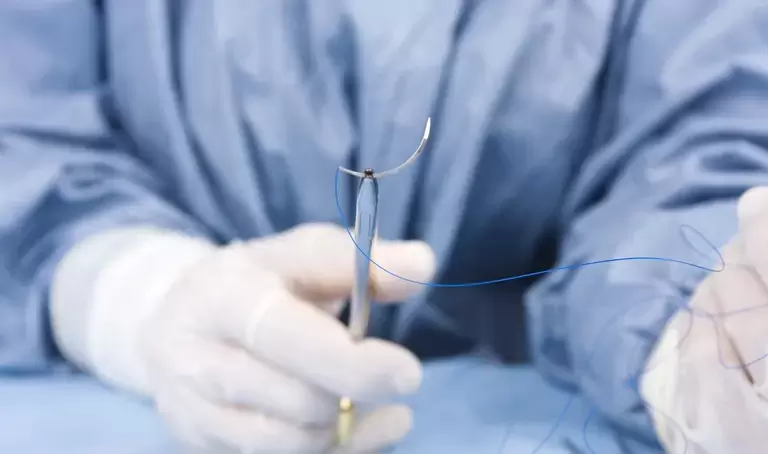
Sutures are an essential part of surgical procedures since they contribute to wound closure and healing. The type of suture used can affect your recovery and final results. In this article, readers can distinguish the two types of sutures on the market: absorbable and non-absorbable, to make the right choice.
What are Absorbable Sutures?
Absorbable sutures are those that are absorbed naturally in the human body over time. They are absorbed by the body, invalidating the need for removal. These are usually made from safe and effective materials such as polyglycolic or polylactic acid. If you’re looking to purchase high-quality options, there are various sutures for sale that meet medical-grade standards.
Why are Absorbable Sutures Beneficial?
The most notable benefit of absorbable sutures is convenience. Patients will not need to return to have the sutures removed, therefore reducing the treatment burden overall. These are especially useful in suturing internal surgeries where it will be difficult to remove the sutures.
It is further to accept sutures to prevent infection. By the time they are over, there is less opportunity for bacteria to enter the wound site as they mass. This can result in faster healing.
Absorbable Sutures Disadvantages
Absorbable sutures are easy to use but have their disadvantages. They may not be ideal for long-term use on wounds that require longer time to heal. In those situations, the sutures could dissolve too fast and cause problems.
Furthermore, absorbable sutures can occasionally incite tissue irritation or an inflammatory reaction. This is rare, but if it happens, it can affect the healing process, which may require increased attention.
What are Non-Absorbable Sutures?
Non-absorbable sutures are made from nondegradable materials, such as nylon, silk, and polyester. They stay there until a medical professional removes them or, in some situations, permanently.
Benefits of Non-Absorbable Sutures
Non-absorbable sutures offer secure long-term support. They are perfect for cases where prolonged healing is necessary, like tendon repairs or cardiovascular surgeries. They can also be used if the wound needs to be closed permanently, and they will last until then.
In addition, there is also a lower risk of an inflammatory response with these sutures. They are stable over time, and irritation is less likely to occur, resulting in a more comfortable recovery.
Disadvantages of Non-Absorbable Sutures
The biggest con is having to remove it. This may be inconvenient for the patients, as it requires them to visit healthcare facilities to get the blood sample again. Depending on where they are located and the type of suture, removal may be performed in the doctor’s office or hospital and can cause slight discomfort.
In some instances, these non-absorbable sutures can raise the likelihood of infection. They can linger in the body longer, potentially harboring bacteria that can cause complications.
Why Suture Makes a Difference?
Multiple considerations dictate when to use absorbable versus non-absorbable sutures. Factors include the type of surgery performed, the wound location, and the patient’s overall health. Surgeons tend to consider the rate of healing and the extent to which support is needed in the long term.
However, patient preferences and lifestyle may also influence the choice. For example, someone with a busy schedule may opt for absorbable sutures to prevent additional visits. By contrast, those who require prolonged support may choose nonabsorbable choices.
Fine-Tuning Suture Selection for Specific Needs
Absorbable sutures are preferred in surgeries of internal organs. They are also helpful in locations that are hard to reach for extracting them, as they dissolve naturally. Screw-type fixators are also frequently utilized in pediatric cases to limit additional operative procedures.
Skin closures that require extended support often utilize non-absorbable sutures. These are often utilized in orthopedic procedures, where strength and resiliency are king. More often than not, the decision is a balance of the usefulness of support vs. the hassle of taking it down.
Conclusion
Absorbable and non-absorbable sutures have their specific advantages and disadvantages. It depends on the procedure, the patient, and the healing process. Seeking their advice can be beneficial for healthy results. If people know how they are different, they can make better choices that give them better healing experiences.
—

