


—
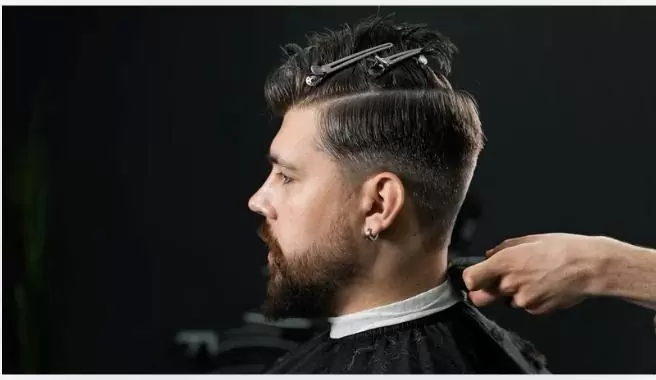
Fades are one of the most popular and versatile haircuts for men. Whether it’s a low, mid, or high fade, achieving that perfect blend from short to long hair can elevate your style and leave a lasting impression. However, getting the perfect fade isn’t always easy. Here are 12 secrets to help you master the art of the fade and ensure a sharp, clean look every time.
1. Choose the Right Tools
Investing in high-quality clippers is the foundation of achieving a flawless fade. Not all clippers are created equal, and having the right tools can dramatically impact the outcome of your haircut. Clippers with adjustable blades are particularly essential because they allow for precise control and smooth transitions between different hair lengths. These adjustments enable you to blend seamlessly, creating the gradual contrast that defines a perfect fade. Additionally, it’s a good idea to have a range of guard sizes at your disposal to accommodate various fade styles, whether you’re aiming for a low, mid, or high fade.
Beyond clippers, other tools are equally important. A reliable pair of scissors can help with detailing and trimming areas where clippers might not suffice. A quality comb is another must-have for guiding the hair evenly during cutting and checking the fade’s balance. Lastly, an edger or trimmer can add a polished finish by cleaning up the hairline and sideburns, ensuring sharp, crisp edges that stand out. All these tools work together to provide the precision and detail necessary for a professional-looking fade.
2. Start with Clean Hair
Clean, dry hair is the perfect canvas for any haircut, especially a fade. Washing the hair beforehand is crucial because it removes oils, product residue, and dirt that may interfere with the performance of clippers and other tools. Oils and styling products can make the hair slippery, preventing the clippers from cutting evenly and potentially leading to an uneven or patchy fade. Clean hair also allows for better visibility, giving you a clear view of the hair’s natural texture and growth patterns.
Drying the hair thoroughly after washing is just as important as cleaning it. Wet or damp hair can behave unpredictably, making it harder to judge the length and affect how the tools cut. Once dry, comb the hair to remove any tangles or knots, which can also throw off the precision of your fade. Preparing the hair in this manner ensures a smoother process and helps achieve the sharp, clean look that defines a successful fade haircut. Proper preparation saves time and ensures your fade looks crisp and well-blended from the start.
3. Understand the Different Types of Fades
Understanding the various types of fades is essential for achieving the exact style a client desires. Primarily, fades are categorized into three main types: low fades, mid fades, and high fades. Each of these begins at a different point on the head, creating a distinct aesthetic suitable for individual preferences and face shapes.
A low fade starts just above the ears and gradually tapers down toward the neckline. This style is subtle and less dramatic, providing a clean, polished look that suits both professional and casual environments. It’s an excellent choice for individuals seeking a conservative yet stylish haircut, as the transition from longer hair to shorter hair is smooth and understated.
The mid fade begins slightly higher, around the temple area, and offers a balanced option that lies between the low and high fades. This fade is more versatile, giving a bolder look than a low fade without being as striking as a high fade. Mid fades are a popular choice as they work well with a variety of hairstyles and textures, making them adaptable to the preferences of most clients.
On the other hand, a high fade starts much higher on the head, often around the crown area or higher. It creates a dramatic contrast by quickly tapering from the longest hair on top to very short or even bald sides. This fade is bold and edgy, offering a clean, sharp appearance that is popular among those looking for a modern, attention-grabbing style. High fades are perfect for individuals who wish to emphasize the hair on top, making it an excellent choice for styles like pompadours or quiffs.
By understanding the differences between these fade types, you can better guide clients in choosing a style that complements their facial structure, lifestyle, and personal taste. Each fade has its own character and appeal, and tailoring the fade to the client helps to ensure a satisfying result.
4. Section the Hair
Properly sectioning the hair is a crucial step in achieving a precise and even fade. This process involves dividing the hair into manageable areas, making it easier to focus on specific sections as you work. Sectioning ensures uniformity throughout the haircut and allows you to create a clean, cohesive blend.
Start by separating the top of the hair from the sides using clips or ties. This helps to mark the boundary where the fade will begin and prevents any unintentional cutting into the longer hair on top. For more detailed styles, use additional sections to pinpoint areas that require unique attention, such as areas with thicker growth or natural inconsistencies in the hairline.
Working section by section ensures that you maintain control over the process. You can check the progress of your fade as you go, ensuring that each area is evenly tapered and transitions smoothly into the next. For example, when creating a high fade, sectioning can help to clearly define where the sharp tapering starts, reducing the likelihood of inconsistencies or uneven transitions.
Sectioning is also beneficial when working with tools like clippers and scissors. It provides a clear roadmap, allowing you to focus on one area at a time and adjust the length gradually for the most accurate results. Additionally, sectioning adds efficiency to the process, as it minimizes confusion about which areas have already been cut and which remain untouched.
By dividing the hair into clear sections and working systematically, you create a smooth workflow that improves precision and consistency. Proper sectioning is the foundation for a well-executed fade, ensuring each part of the haircut blends seamlessly into the next and achieves the polished, professional finish that clients expect.
5. Use a Comb for Guidance
A comb is an essential tool when creating a fade, as it acts as a guide to help maintain consistent lengths and angles during the cutting process. By using a comb, you can achieve better control over the hair, ensuring that each section is cut evenly and aligns seamlessly with the surrounding areas. The comb provides a steady hand, enabling you to work with precision and avoid unevenness or abrupt changes in the haircut. It also serves as a visual reference, helping you identify which areas require more blending and which lengths need to be adjusted. When paired with scissors or clippers, a comb simplifies the process of cutting at the correct angle, especially in tight or difficult-to-reach sections. For instance, when trimming around the temple or behind the ears, the comb serves as a stabilizing tool, ensuring accuracy while maintaining the natural flow of the hair. Incorporating a comb into your workflow not only enhances your ability to create a refined fade but also contributes to a cleaner and more polished outcome that meets professional standards.
6. Blend Gradually
Blending is one of the most crucial steps in achieving a seamless fade, and it should always be done gradually to avoid harsh lines and noticeable inconsistencies. The process begins by using the longest guard setting on your clippers and carefully working your way down to shorter guards, step by step. This progression allows for smoother transitions between lengths, ensuring that no distinct lines are left visible. Patience is key during this stage, as rushing can result in a choppy or uneven finish. Take the time to check your work frequently under good lighting, as this will help you spot areas that may require additional blending or correction.
Another technique that aids in gradual blending is the “clipper-over-comb” method, where you use a comb to lift sections of hair while lightly passing the clippers over them. This method ensures a uniform transition and adds precision to the cutting process. Blending gradually also means revisiting areas periodically to make small adjustments as needed, ensuring you don’t remove too much hair at once. Paying attention to natural contours, such as the curvature of the head, can further improve the flow of your fade, creating a more natural and cohesive appearance. With the right blend of technique and patience, you can achieve a fade that appears smooth, professional, and effortlessly balanced.
7. Pay Attention to the Crown
The crown area of the head is one of the most challenging parts to work on when achieving a clean and natural fade. This area is defined by unique growth patterns that vary greatly from one individual to another, including whorls, cowlicks, and natural changes in hair direction. Begin by carefully assessing how the hair in the crown lies and grows, as cutting against its natural grain may result in uneven spots or visible lines. When fading the crown, use a gentle, gradual approach, employing lighter pressure with the clippers or scissors to avoid cutting too much in one go. Utilizing longer guard lengths in this area may also help preserve the natural flow and prevent thinning or patchiness.
It’s important to remember that the crown should blend seamlessly into the fade and the rest of the haircut while maintaining an even appearance. To achieve this, revisit the crown area periodically during the haircut to refine the fade without disrupting the natural look of the hair. Blending tools like clipper guards, scissors, and combs can all be useful in this step. Paying close attention to the crown and respecting its natural direction ensures that the final result appears polished and professional without any harsh inconsistencies.
8. Check from Different Angles
Achieving a flawless fade requires frequent checks from multiple angles to ensure symmetry and consistency throughout the haircut. While the view from the front or the side may appear perfect, subtle imperfections often become more apparent when viewed from the back or a lower perspective. Rotating the client’s head or moving around the chair allows you to identify areas that may need further adjustment, ensuring a well-balanced fade. Good lighting is essential for this step, as shadows or uneven lighting can obscure minor flaws that need correcting.
Take the time to view the fade under natural and artificial lighting whenever possible to fully assess its uniformity. Mirrors are also valuable tools for detecting inconsistencies, particularly in hard-to-see areas like the back of the head. A handheld mirror can help you view the haircut from different perspectives while allowing the client to inspect the result as well. By regularly stepping back to evaluate your work and adjusting accordingly, you can ensure the fade aligns seamlessly with the head’s natural shape and proportions. Checking from all angles not only refines the haircut but also demonstrates a commitment to precision, which clients appreciate and value.
9. Use the Lever on the Clippers
The lever on the clippers is an essential tool for achieving a smooth and seamless fade. By adjusting the lever, you can alter the blade length slightly, providing greater control over blending transitions between different sections of the haircut. For instance, opening the lever extends the blades, which leaves more hair, while closing the lever shortens the blades for a closer cut. When working on a fade, this feature allows you to gradually taper the hair for a perfectly blended result.
To use the lever effectively, start by identifying any lines or visible transitions between sections that need smoothing. Open the lever to create a longer blade setting and gently move the clippers in an upward, flicking motion at the edges of these areas. Once the line begins to blend, close the lever incrementally to fine-tune the blend and achieve a flawless gradient. This approach ensures the fade appears natural and uniform across the entire haircut. Practice and patience are essential when using the lever, as small, deliberate adjustments yield the most precise results.
10. Detail with Scissors
The final step in crafting a polished and professional fade is detailing with scissors. While clippers handle the bulk of the work, scissors are indispensable for refining your cut and addressing any minor imperfections. Use a pair of high-quality styling or New York barber scissors to carefully trim stray hairs, uneven sections, or rough areas that the clippers may have missed. Scissors allow for precision cutting, especially around the hairline, temples, and edges of the fade.
To begin, comb through the hair to expose any inconsistencies that need attention. Work methodically, snipping small amounts of hair at a time to ensure you maintain control. Pay particular attention to areas where the hair naturally curves or where clipper work may have created subtle unevenness. Scissors are also excellent for softening harsh lines or transitions, allowing you to blend the fade even further for a smooth, professional look.
For the best results, consider incorporating point-cutting techniques, where you cut into the hair at an angle to create texture and a softer finish. This technique works especially well on the top or crown of the head, providing a natural appearance that seamlessly complements the fade. Detailing with scissors not only enhances the overall quality of the haircut but also showcases your commitment to precision and attention to detail—qualities that clients highly value and trust.
11. Practice Patience
Achieving a perfect fade is an art that requires time, patience, and an eye for detail. Rushing through the process often results in uneven blending, harsh lines, or an unpolished appearance that detracts from the professionalism of the haircut. It’s important to approach fading methodically, giving adequate attention to each section of the hair. Begin with a clear plan, moving systematically across the head, and make adjustments gradually. Taking frequent pauses to assess your progress in natural light or using a hand mirror to inspect multiple angles can help identify areas where additional blending is needed.
Patience is particularly important when tackling challenging sections such as the crown or around the ears. These areas tend to have more irregular growth patterns and require extra finesse to create a balanced, natural look. Working with shorter guard lengths or transitioning guards carefully can aid in avoiding unwanted steps in the fade. Treat every phase of the haircut as an opportunity to refine your skills, remembering that time invested in precision pays off in client satisfaction and enhances your reputation as a skilled barber. The key to a flawless fade lies in your ability to stay focused and committed to excellence, ensuring that every detail meets your highest standards.
12. Learn from the Experts
There’s no substitute for experience when it comes to mastering advanced fading techniques, and learning directly from seasoned barbers can significantly elevate your skills. New York barbershops, renowned for their vibrant culture and highly skilled professionals, present an incredible opportunity to observe some of the best in the business. Spend time watching how expert barbers handle fades, from their precise clipper movements to their use of combs and scissors for detailing. Take note of their pacing, transitions, and the unique ways they address challenges like tough textures or uneven growth patterns. Many seasoned barbers are willing to share their knowledge, so don’t hesitate to ask questions or seek feedback.
Visiting a reputable barbershop in New York can also provide a firsthand look at diverse haircut styles and techniques that cater to a wide range of clients. Inspiration often comes from witnessing creativity and innovation in action, and New York’s barbers are known for pushing the boundaries of classic and modern styles. Consider scheduling a professional haircut with one of these barbers to experience their work up close. Pay attention to their tools, workflow, and the personalized touches they add to each haircut, which can inform and inspire your own approach. Continuous learning ensures your skills remain sharp and competitive, making it easier to build lasting relationships with your clients and stand out as a trusted barber in the industry.
Conclusion
Achieving the perfect fade every time requires a combination of the right tools, techniques, and a lot of practice. By following these 12 secrets, anyone can enhance their skills and consistently deliver sharp, clean fades. Remember, patience and attention to detail are key to mastering this classic haircut.
—

