


—
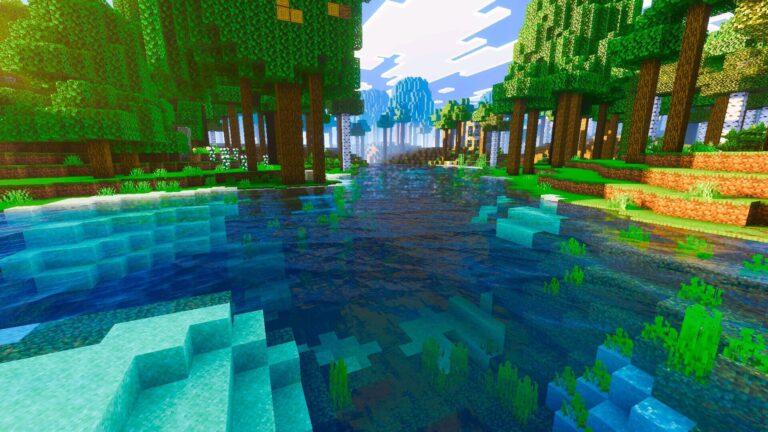
Screen time does not have to be passive time. In Minecraft, children can spend a session planning a house, experimenting with redstone, solving a map challenge, or testing how a custom creature behaves. When the game becomes a space for building and experimentation, the value comes less from simply being online and more from what the child is actively trying to create or understand.
How Minecraft Mods Can Turn Play Into Creative Learning
When children begin changing the rules of the game itself, the possibilities become even broader. Collections of Minecraft mods for Bedrock Edition can introduce new creatures, tools, machines, environments, and mechanics that encourage players to explore how systems work instead of only following the standard survival loop.
Mods and add-ons can make Minecraft feel like a set of small design problems. A child may need to work out how to power a machine, build a safe enclosure for a new mob, organize resources for a larger project, or understand why two custom systems do not behave as expected.
That process naturally involves trial and error. The first idea may fail, but Minecraft gives immediate visual feedback. A bridge collapses into an awkward shape, a redstone mechanism does not activate, or an automated farm produces fewer items than expected. Players can adjust the design and try again without the cost or risk of a real-world experiment.
| Minecraft Activity | Skill Being Practiced | Example |
| Building | Planning and spatial reasoning | Designing a house that fits a limited area |
| Redstone | Logic and sequencing | Creating an automatic door |
| Custom mobs | Observation and problem solving | Finding a safe way to contain a stronger creature |
| Resource management | Organization | Preparing materials for a large project |
| Multiplayer projects | Communication | Dividing building tasks between players |
Mods Encourage Children to Ask “What If?”
One of Minecraft’s strongest creative qualities is that it rewards experimentation. Mods expand the number of questions a player can ask. What happens if animals behave differently? Can a new machine replace a repetitive task? How should a base change if stronger enemies appear at night?

These questions may look simple, but they encourage children to predict outcomes and test ideas. A new technology add-on, for example, can turn resource collection into a planning problem involving machines, energy, storage, and production order.
Fantasy and creature projects create different challenges. A powerful boss may require preparation, better equipment, or a safer arena. A furniture add-on can encourage detailed interior design, while building tools can make it possible to attempt larger architectural projects.
- building add-ons can encourage planning, symmetry, and visual design;
- technology projects introduce systems, sequences, and automation;
- new mobs create problems involving safety, strategy, and environment;
- adventure maps can combine reading, puzzles, and exploration;
- multiplayer worlds encourage players to explain ideas and divide responsibilities.
Creative Screen Time Is Different From Passive Consumption
Not every minute in front of a screen produces the same kind of experience. Watching videos is largely receptive, while building a functioning Minecraft project requires decisions. The player chooses materials, sets a goal, reacts to mistakes, and decides when the result is finished.
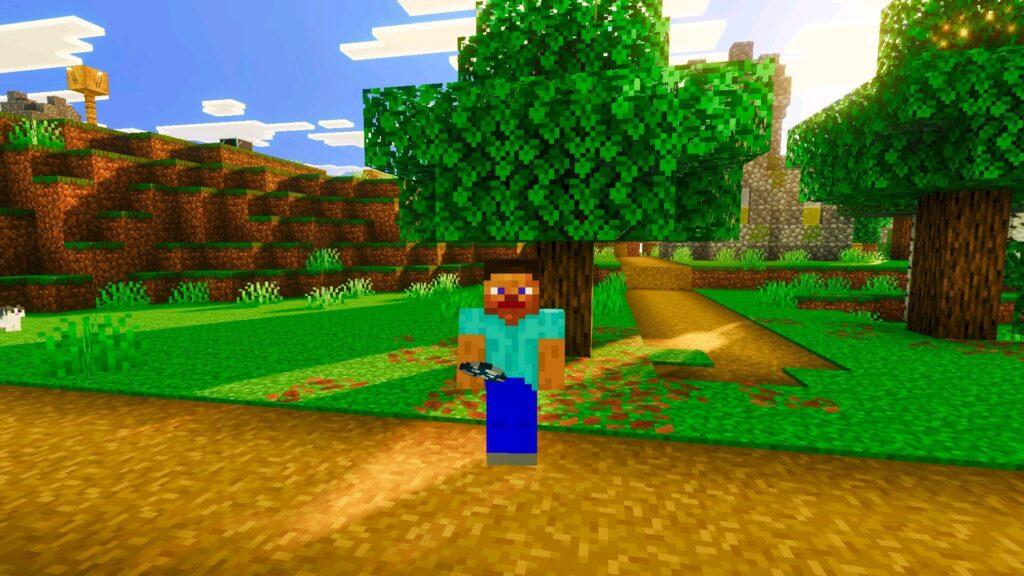
That does not automatically make every Minecraft session educational. A child can still play without much thought or spend too long repeating the same activity. The important distinction is whether the session contains a meaningful objective.
Parents can support this by asking about the project rather than simply asking how long the child played. Questions such as “What are you building?”, “How did you make that work?”, or “What would you change next time?” invite the child to explain the reasoning behind the game.
This also turns Minecraft into a shared topic instead of a conflict centered only on screen limits. A child who explains a redstone system or shows how a custom mob works is practicing communication while reflecting on what they created.
Problem Solving Often Starts With Failure
Minecraft is forgiving when experiments fail. Blocks can be replaced, machines rebuilt, and copied worlds restored. This makes it a useful environment for practicing persistence because mistakes are visible but usually reversible.
Mods can make these failures more interesting. New mechanics are not always obvious, so players must observe behavior and discover rules. They may need to change a design several times before understanding how an item or creature works.
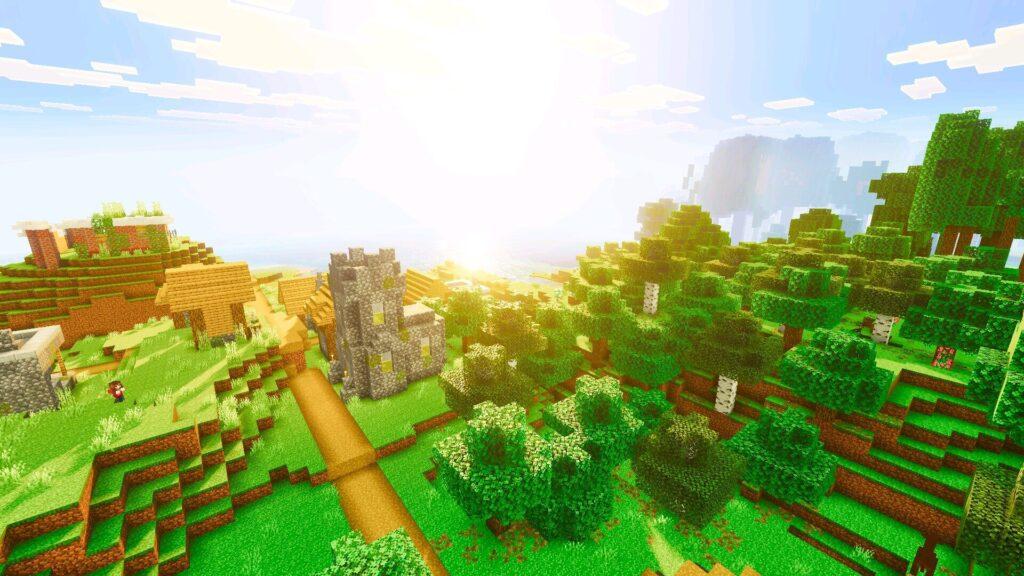
The process resembles a simple engineering cycle: define a goal, build a solution, test it, identify the problem, and improve the design. The game does not need to label this process as a lesson for the child to practice it.
| Stage | Question a Player Might Ask | Learning Habit |
| Plan | What am I trying to build? | Goal setting |
| Create | Which blocks or tools do I need? | Resource planning |
| Test | Does it work as expected? | Observation |
| Fix | Why did it fail? | Problem solving |
| Improve | Can I make it simpler or better? | Iteration |
Parents Still Need to Check the Content
Community-created content varies widely in quality and suitability. Parents should not assume that every mod is designed specifically for children just because Minecraft itself is familiar.
It is useful to review the description, screenshots, version requirements, and theme before installation. Horror projects, weapons, or mature character add-ons may not fit every child, while building, animals, technology, and puzzle content can offer a very different experience.
Compatibility also matters. An outdated project can create errors in a world after a Bedrock update. Testing unfamiliar content in a separate save protects the child’s main creations and reduces frustration if something does not work correctly.
The most useful approach is therefore not to treat Minecraft as automatically educational or automatically unproductive. It is a tool. The value depends on what children do with it, which content they use, and whether adults help turn experimentation into conversation and reflection.
FAQ
Can Minecraft mods actually help children learn?
They can support skills such as planning, problem solving, spatial reasoning, creativity, and communication when children use them in goal-oriented projects.
Are Minecraft mods suitable for every child?
No. Community content varies by theme and complexity, so parents should review a project before installation.
What types of mods are best for creative play?
Building tools, technology systems, animals, furniture, puzzles, and automation projects can all encourage experimentation without relying only on combat.
Is Minecraft screen time always educational?
No. The benefit depends on what the child is doing. Creating, testing, explaining, and improving a project are more active than simply spending time in the game.
Should children test new mods in a separate world?
Yes. A separate or copied world protects important builds and makes it easier to remove incompatible community content.
—

