


—
A damaged roof does not automatically need to be replaced. Isolated problems such as a small area of missing material, damaged flashing, or a limited leak may be suitable for targeted work when the rest of the roofing system remains in serviceable condition. The harder decision appears when problems keep returning or deterioration affects several parts of the roof.
Repeated work can become frustrating because each repair addresses one problem without changing the condition of aging materials elsewhere. Roof replacement becomes worth discussing when the roof shows widespread wear, recurring leaks, or multiple weak areas that make continued patching less practical. The decision should be based on the condition of the complete system rather than one visible defect.
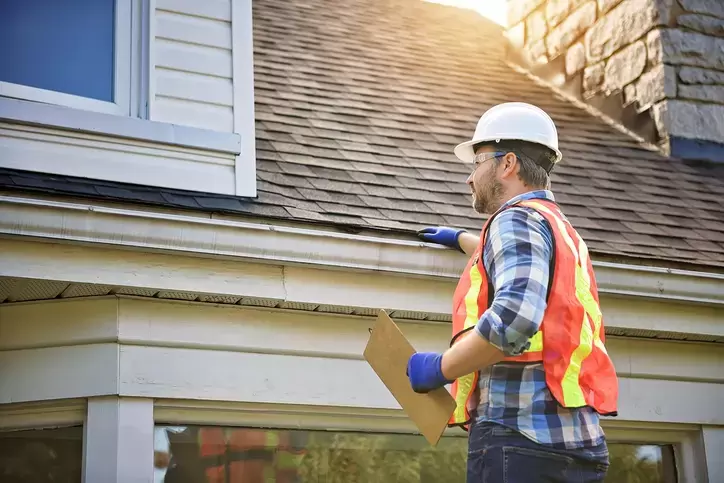
A careful evaluation separates localized damage from broader deterioration. Homeowners considering Ragan Roofing can use inspection findings to understand where problems occur, how extensive they are, and whether another repair addresses the underlying condition. Several physical and practical signs can clarify when continued repair work deserves reconsideration.
Start by Determining Whether Damage Is Localized or Widespread
The location and extent of damage provide useful information about the appropriate response. A problem limited to one small section may have a specific cause, such as damaged flashing around a penetration or material displaced during severe weather. If surrounding areas remain sound, focused work may address the issue without disturbing the rest of the roof.
Widespread deterioration presents a different situation. Similar wear across several slopes, repeated material loss, or problems appearing in unrelated areas suggest that the roof is no longer dealing with one isolated defect. Roof replacement may provide a more sensible path when deterioration affects enough of the system that individual fixes no longer address the broader condition.
An inspection should therefore look beyond the spot where water became visible indoors. Moisture can travel before appearing on a ceiling, and the obvious symptom may not identify the original entry point. Evaluating adjacent materials and vulnerable transitions provides better context for the decision.
Look at the Pattern Behind Recurring Leaks
One leak does not necessarily indicate a failing roof. A leak that returns after previous work deserves closer attention, especially if water appears in different rooms or after different weather events. The pattern matters more than simply counting how many times work has been performed.
Recurring leaks may point to separate weaknesses developing as materials age. Another possibility is that the original source was difficult to identify because water moved beneath roofing components before reaching the interior. Either situation calls for a broader assessment rather than automatically repeating the same response.
Ragan Roofing may be considered when homeowners need the condition of multiple roof areas evaluated together. The useful question is whether each leak represents an independent, repairable defect or whether the collection of problems indicates wider deterioration.
Compare the Condition of Surrounding Materials
A repair depends partly on the condition of the materials around it. Replacing a small damaged section makes more sense when nearby roofing remains stable and capable of supporting the work. Patching one area becomes less useful if adjacent materials are also brittle, worn, loose, or visibly deteriorated.
Pay Attention to Changes Across Different Slopes
Roof sections do not necessarily age at exactly the same rate. Sun exposure, drainage patterns, nearby trees, roof geometry, and previous work may create different conditions across the structure. One slope could appear relatively sound while another shows much heavier wear.
That variation is why decisions should not be made from a quick ground-level view. Roof replacement should be considered in relation to the total condition, including areas that may not be easily visible from the yard. A closer evaluation can identify whether deterioration is concentrated or distributed across the system.
Examine Flashing and Roof Penetrations Carefully
Some leaks develop around transitions rather than across broad roof surfaces. Chimneys, vents, skylights, walls, valleys, and other penetrations create locations where different materials meet. These connections require careful water management and may become vulnerable as materials move or deteriorate.
A problem around one penetration may remain a repair issue if the surrounding roof is otherwise in good condition. Multiple failing transitions combined with worn roofing materials create a different calculation. Correcting each connection separately may involve disturbing nearby areas that are already approaching the end of useful service.
Ragan Roofing can be part of an evaluation that considers these transition points alongside the field of the roof. Looking at them together avoids treating every leak as an unrelated event when several symptoms may share the same broader cause.
Consider What Previous Repairs Reveal
Maintenance records provide valuable context. Dates, invoices, photographs, and descriptions of previous work show which sections have needed attention and whether similar problems keep returning. Without that history, homeowners may underestimate how much intervention the roof has already required.
A roof with one documented repair over a long period presents a different picture from one that has required repeated work across several areas. The amount spent previously is not the only concern. Frequency, location, and the type of recurring problem reveal whether maintenance remains predictable or has become a cycle of reacting to new failures.
This record also makes contractor discussions more specific. Instead of saying the roof “keeps leaking,” homeowners can identify where previous work occurred, what was addressed, and what changed afterward.
Evaluate the Consequences of Continuing With Small Repairs
The cheapest immediate option is not automatically the least expensive approach over time. A limited repair may be appropriate when it addresses a clearly defined problem. Repeating small repairs across a broadly deteriorated roof can create ongoing disruption while leaving other vulnerable areas untouched.
Roof replacement becomes easier to evaluate when homeowners compare the scope of current problems with the likely condition of remaining materials. The purpose is not to predict exactly when another issue will appear. It is to determine whether the roof still provides a reasonable foundation for targeted work.
Interior exposure also affects the decision. Water entering through roofing defects may reach insulation, ceilings, wall cavities, or wood components before becoming obvious inside occupied rooms. Delaying broader action when several weaknesses are already documented may increase the amount of property requiring attention later.
Review the Roof Before Other Exterior Projects Begin
Roofing decisions can affect other planned improvements. Exterior painting, gutter work, attic changes, or additions may interact with roof edges, drainage, ventilation, or access. Completing those projects without first understanding roof condition can create unnecessary sequencing problems.
For example, homeowners may not want recently completed exterior work disturbed because a larger roofing project becomes necessary soon afterward. Coordinating the timing allows related improvements to be considered together rather than as isolated projects.
Ragan Roofing may be included in that planning when roofing condition needs to be understood before other exterior work moves forward. A clear assessment gives homeowners better information for deciding which project should happen first.
Base the Decision on the Whole Roofing System
The choice between another repair and a larger project should come from evidence rather than frustration with one leak. Localized damage, sound surrounding materials, and a clear cause may support focused work. Widespread wear, recurring leaks, deteriorated transitions, and repeated interventions point toward a different conversation.
Roof replacement is most practical when it addresses a condition that individual repairs can no longer manage efficiently. That threshold will not look identical on every property, which is why inspection findings and maintenance history matter more than a single symptom.
Homeowners benefit from documenting problems and reviewing the roof as one connected system. Understanding what has failed, what remains serviceable, and where deterioration is spreading makes the decision clearer. The aim is to choose the scope of work that matches the actual condition instead of continuing a repair cycle simply because each individual problem appears manageable on its own.
—

