


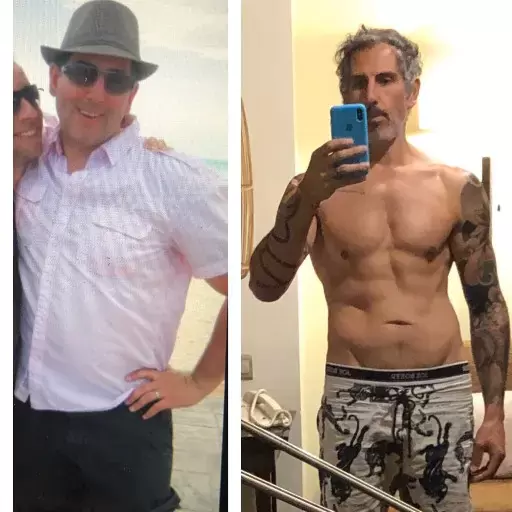
Note: This is a personal story and I am not a doctor.
Although I am sincerely dedicated to learning about nutrition I’m getting tired of all the camps. As much I like him, I don’t want to hear about Joe Rogan shitting his pants on his carnivore diet or how people are slopping bacon fat on broccoli for their ketones or how we should eat like an early Homosapien whose life expectancy is thirty or which macronutrient is bad for us this week. In the steps that I’ve taken, I’ve lost 60+ pounds of mostly fat, pulled my body out of the running for heart disease, and diabetes while improving every single biomarker and improving all facets of my life i.e. happiness, sex and pooping.
The time it takes is worth it.
For the purpose of looking only at nutrition, we’ll pretend that the animals are all safely grazing, rolling around, or doing whatever they do on a planet that is healthy and thriving. I’ll also say that there is a consensus on what is bad which are processed foods of any kind. Processed meaning if anything good was removed or anything bad was added. Full disclosure, I cheat sometimes. I’m human and love cake and chips as much (possibly more) than the next guy.

I reset and decided to go in a direction I felt was reverse. I made a list of every nutrient I need. Surprisingly, for the most part, there exists a common consensus for what our bodies need. These will sound complicated but wait for it.
There are twelve vitamins: B1 (Thiamine), B2 (Riboflavin), B3 (Niacin), B5 (Pantothenic acid), B6 (Pyridoxine), B12 (Cobalamin), Folate, A, C, D, E, and K. There are ten minerals: Calcium, Copper, Iron, Magnesium, Manganese, Phosphorus, Potassium, Selenium, and Zinc.
Proteins are broken down into eleven amino acids: Cystine, Histidine, Isoleucine, Leucine, Lysine, Methionine, Phenylalanine, Threonine, Tryptophan, Tyrosine, Valine.
Although we have an overall target for fats we should know about our Omega-3 (healthy fats that we want from our diet), our Omega-6 (fats that we want to limit), and Omega-9 (non-essential fats that we make in our bodies but often “upgrade” if we ingest cleaner fats). Omega-3 has three different types of fats all of which we want a balance of which are Eicosapentaenoic acid (EPA), Docosahexaenoic acid (DHA), and Alpha-linolenic acid (ALA). Don’t worry, there are foods that cover them all.
As for carbohydrates, we have a target for fiber and a limit on sugars.
Now what? I took these and searched for the cleanest source of each. This is where diets can split ways. Some may want to try searching for the cleanest plant-based sources, or Paleo sources, etc. In my personal journey, I feel that meat and dairy are not the cleanest in anything due to their saturated fat but that’s not everyone’s path. The intention here is to demonstrate the strategy I used to find how to nourish my body that has worked and lasted.
Most foods bring more than one nutrient to the table so this is where it gets interesting. I signed up for a free food diary app, entered my details and goals and it outlined what I need to consume nutrient-wise and in what amount. When you add food the app tells you all the nutrients it delivers. Simple.
The first thing I did was baseline my blood markers. Thankfully, I have a very patient doctor (pun intended) and I measure all markers every six months.
What I Supplement
From Paleo to Plant-Based I was low on B12 (and most people are ironically especially those who chose grass-fed, organic meats) and I’d recommend everyone supplement B12. I live in Canada so I take Vitamin D daily. I also include a few drops of iodine because I personally don’t eat fish but if you did you likely don’t need to.
I add probiotics in the form of coconut yogurt, coconut kefir, sauerkraut, kimchi, and other fermented foods whenever I can.
Unsolicited Advice
- Be unapologetically picky! This is your life here and fuck what other people think!
- Go organic whenever possible or at least do so with the dirty dozen and not bother with the clean thirteen.
- Mix it up. Keep searching for alternatives to your nutrient sources. Try new recipes one or two nights a week.
- Learn about fasting. There are a couple of documentaries that are fascinating and when I put it to the test in my own body the results were astounding! Fasting Documentary and here’s a free one that was great.
What I Eat
Breakfasts
Some days I’ll lay out watermelon, sliced apples (and dip them in nut butter), and cantaloupe as a sort of breakfast appetizer for the family that includes a toddler. For the main, almost every day I use oats as a base in the form of muesli, oat flour pancakes, waffles, or crepes. I add a mix of whatever I have that day of strawberries, blueberries, raspberries, blackberries, bananas, goji berries, and cherries. And a mix of whatever I have of walnuts, pecans, almond slices, pumpkin seeds, hazelnuts, and Brazil nuts. It’s often a hefty serving and I look forward to it every day.
Snacks
More fruit, nuts, hummus almost every day, toasted sourdough with nut butter, smoked tofu in a pita.
Meals
Bowls: We love assembling bowls with a base of brown rice, quinoa, potato or sweet potato, mixed greens if we’re feeling it. I’ll add black and/or pinto beans, some veggies like broccoli, peppers, carrots, sauteed kale, or whatever we have around and sauerkraut or kimchi to add some probiotics. We’ll use a sauce like hummus or salsa or a tahini green mix or even a salad dressing.
Pasta: I like almost all kinds of pasta but like red lentil or quinoa or one made with ancient grains. We love dairy-free pesto and we add a chopped veggie into the mix. My wife makes a kickass dairy-free tofu-based lasagna!
Takeout: Just trying to keep it real. We don’t always have time to cook so we go with Thai, Vietnamese, pizza, and if we don’t mind not feeling great after (again, keeping it real) some plant-based burgers. They’re all oily and heavy and we feel like shit after but sometimes we indulge.
Whole Food Sources of Nutrients
B1 (Thiamine)
Whole grains (oats, wholemeal bread, wholewheat pasta and brown rice), acorn squash, sunflower and sesame seeds (including tahini, found in hummus), corn on the cob, nuts (pecans, Brazil and hazelnuts) and pulses (lentils, beans, peas).
B2 (Riboflavin)
Nutritional yeast, quinoa, muesli, fortified soya milk, avocado, almonds, wild rice, mushrooms, and mange-tout peas.
B3 (Niacin)
Nutritional yeast, peanuts, quinoa, muesli, wild rice, wholemeal spaghetti, sweetcorn, brown rice, and acorn squash.
B5 (Pantothenic acid)
Nutritional yeast, avocado, acorn squash, plantain, baked potato, corn on the cob, sweet potato, mushrooms, oranges, mange-tout peas, pecan nuts, oatmeal or rolled oats and chestnuts.
B6 (Pyridoxine)
Nutritional yeast, muesli, avocados, pistachio nuts, wheat germ, acorn squash, banana, quinoa, sunflower seeds, corn on the cob, wholemeal spaghetti, Brussel’s sprouts, spring greens, chestnuts, hazelnuts, oranges, tahini.
Folate
Leafy greens, beans, peas, and lentils. Oranges, beetroot, quinoa, mango, asparagus, avocado, okra, parsnips, chia seeds.
Vitamin A
Sweet potato, butternut squash, carrot or spinach. Dried apricots, kale, cantaloupe melon, and spring greens.
Vitamin C
Broccoli, Pineapple, Brussels Sprouts, Kiwi, Bell Peppers, Oranges, Spinach.
Vitamin E
Hazelnuts, almonds, sunflower seeds, peanut butter, pistachios, avocado, butternut squash, tomatoes, mango, broccoli, spinach, kale, and chickpeas.
Vitamin K
Brussels sprouts, cabbage, kale, broccoli, spinach, spring greens, spring onions, and kiwi fruit.
Calcium
Sesame seeds and tahini, pulses, green, leafy vegetables such as broccoli, cabbage and okra but not spinach, rice, and oat drinks.
Copper
Seeds and nuts, whole grains, dried beans, mushrooms.
Iron
- Legumes: lentils, soybeans, tofu, tempeh, lima beans, black beans, chickpeas.
- Grains: quinoa, fortified cereals, brown rice, oatmeal.
- Nuts and seeds: pumpkin, squash, pine, pistachio, sunflower, cashews, unhulled sesame.
- Vegetables: tomato sauce, Swiss chard, collard greens.
- Magnesium
- Vegetables, beans and peas, grains, soy, seeds, and nuts
Manganese
Whole grains and cereals, brown rice, wheat germ, cooked oatmeal, almonds, nuts, seeds, legumes, black beans, cooked kale and spinach, avocados, strawberries, pineapples.
Phosphorus
Sunflower and pumpkin seeds, nuts, whole grains, amaranth, quinoa, beans, lentils, and soy.
Potassium
White beans, potatoes, sweet potatoes, beets, parsnips, spinach, Swiss chard, tomato sauce, oranges.
Selenium
Grains and Brazil nuts.
Zinc
Whole grains, tofu, tempeh, legumes, nuts, and seeds.
Proteins
Beans, chickpeas, lentils, peas, tofu, tempeh, barley, oats, rice, quinoa, amaranth, hemp seeds, nuts, nut-butters.
. . .
I hope this was helpful and that there is at least one takeaway that can help optimize your nutrition, health, and happiness!
Bon Appetit!
—
Previously published on Medium.com
***
Improve your writing, expand your reach, and monetize your craft.
Join The Good Men Project’s Writers’ Community on Patreon.
We welcome all experience levels.
Learn more on our Patreon page.
***
—
Photo credit: Author

