


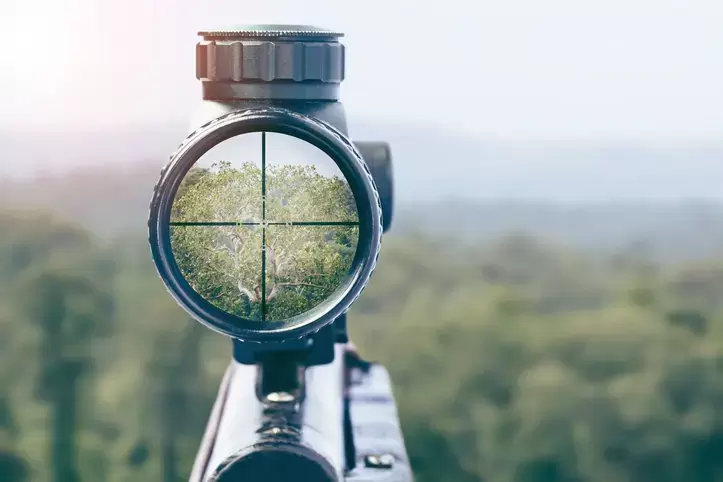
In tactical shooting, selecting the right optic can make a significant difference in performance, accuracy, and adaptability. Among the most popular categories of scopes are LPVO (Low Power Variable Optic) and HPVO (High Power Variable Optic). These scopes are designed to address different operational requirements, ranging from close-quarters engagements to precision long-range shooting.
This article explores the key differences between LPVO and HPVO scopes, their applications, and how to choose the right one for your tactical needs. By understanding their unique features, you can make an informed decision that enhances your shooting experience.
What is an LPVO Scope?
An LPVO scope is a variable magnification optic typically ranging from 1x to 6x, 8x, or 10x, designed for close-to-mid-range engagements. LPVO optics have gained immense popularity among tactical shooters, law enforcement, and competitive shooters due to their versatility.
Key Features of LPVO Optics:
- Wide Magnification Range:
- At 1x, the scope functions like a red dot, allowing for quick target acquisition.
- Higher magnifications, such as 6x or 8x, enable precise targeting at mid-range distances.
- Compact and Lightweight:
- LPVO scopes are generally smaller and lighter, making them ideal for rifles like the AR-15 used in dynamic environments.
- Tactical Versatility:
- LPVO optics are suitable for close-quarters combat, patrols, and engagements up to 300-500 yards.
What is an HPVO Scope?
An HPVO scope is a high-power variable optic designed for long-range precision shooting, typically offering magnifications from 6x to 24x or higher. HPVO scopes are commonly used in sniper operations, long-range competitions, and hunting scenarios that demand exceptional accuracy over extended distances.
Key Features of HPVO Scopes:
- High Magnification:
- HPVO scopes excel at long-range targeting, providing clarity and precision at distances beyond 600 yards.
- Advanced Reticle Features:
- Many HPVO scopes include detailed reticles with windage and elevation adjustments for long-range ballistic calculations.
- Larger and Heavier Design:
- Due to their larger objective lenses and high-power optics, HPVO scopes are bulkier and better suited for stationary shooting setups.
LPVO vs. HPVO: Key Differences
| Aspect | LPVO Scopes | HPVO Scopes |
| Magnification Range | 1x to 6x, 8x, or 10x | 6x to 24x or higher |
| Best For | Close-to-mid-range engagements | Long-range precision shooting |
| Size and Weight | Compact and lightweight | Larger and heavier |
| Field of View | Wide field of view at lower magnifications | Narrow field of view at higher magnifications |
| Versatility | Suitable for dynamic, multi-distance scenarios | Optimized for precision at extended distances |
| Application | Tactical shooting, 3-Gun, law enforcement | Sniper operations, long-range competitions |
Applications of LPVO and HPVO Scopes in Tactical Environments
- LPVO for Tactical and Dynamic Scenarios
LPVO optics are highly versatile and perform well in:
- Close-Quarters Combat (CQC): At 1x magnification, LPVO scopes enable quick target acquisition, similar to red-dot sights.
- Mid-Range Engagements: Magnifications of 6x or 8x allow for precise shots at 200-500 yards, ideal for patrols or urban operations.
- Competitive Shooting: LPVO scopes are widely used in events like 3-Gun competitions, where speed and accuracy across varying distances are critical.
- HPVO for Precision and Long-Range Shooting
HPVO optics excel in situations requiring extended range and precision, such as:
- Sniper Operations: The high magnification and detailed reticles in HPVO scopes make them ideal for engaging targets at 600+ yards.
- Long-Range Tactical Scenarios: HPVO scopes are frequently used in military and law enforcement operations requiring overwatch or long-distance engagement.
- Precision Rifle Competitions: Competitive shooters rely on HPVO scopes for accuracy in long-range matches.
Choosing Between LPVO and HPVO for Tactical Use
When deciding between an LPVO and an HPVO scope, consider the following factors:
- Engagement Distance
- Choose LPVO optics if your primary focus is close-to-mid-range shooting (1x-10x).
- Opt for HPVO scopes if your priority is long-range precision (6x-24x).
- Shooting Style
- Dynamic and Tactical Shooting: LPVO scopes are better suited for fast-paced, multi-distance scenarios.
- Stationary and Precision Shooting: HPVO scopes are ideal for sniper or benchrest shooting, where accuracy at extended ranges is essential.
- Rifle Platform
- AR-15 or Tactical Rifles: LPVO scopes complement lightweight, maneuverable rifles.
- Long-Range Rifles: HPVO scopes are better for heavier rifles designed for stability and accuracy.
- Environment
- Urban or Mixed Terrain: LPVO optics provide flexibility for rapidly changing environments.
- Open Fields or Mountainous Regions: HPVO scopes deliver the clarity and precision needed for wide-open spaces.
The Role of Reticles in LPVO and HPVO Scopes
Reticles play a crucial role in the performance of tactical scopes. Here’s how they differ in LPVO and HPVO scopes:
- LPVO Reticles
- Often feature simple crosshairs or BDC (Bullet Drop Compensation) markings.
- FFP LPVO Scopes: Reticles scale with magnification, providing accurate holdovers at any zoom level.
- Best Use Case: Tactical and multi-distance shooting.
- HPVO Reticles
- Include detailed markings for windage, elevation, and range estimation.
- Typically found in FFP designs for long-range precision.
- Best Use Case: Long-range ballistic calculations.
Top Recommendations: LPVO and HPVO Scopes
Recommended LPVO Scopes:
- Gunnr Odin 1-6×28 LPVO Scope
- FFP reticle for accurate scaling.
- Durable construction for tactical use.
- Best for law enforcement and 3-Gun competitors.
- Vortex Strike Eagle 1-8×24
- Affordable and versatile.
- Ideal for dynamic shooting scenarios.
Recommended HPVO Scopes:
- Leupold Mark 5HD 5-25×56
- Superior clarity and long-range capabilities.
- Excellent for sniper and precision rifle use.
- NightForce ATACR 7-35×56
- Advanced reticle options for long-range shooting.
- Rugged and reliable in harsh environments.
Tactical Scopes Comparison: LPVO vs. HPVO in Real-World Scenarios
- Military Operations
- LPVO Scopes: Ideal for infantry units needing close-to-mid-range adaptability.
- HPVO Scopes: Used by snipers and designated marksmen for extended range.
- Law Enforcement
- LPVO Scopes: Perfect for SWAT teams and patrol officers dealing with dynamic urban threats.
- HPVO Scopes: Suitable for specialized units requiring overwatch capabilities.
- Competitive Shooting
- LPVO Scopes: Preferred for events like 3-Gun, where targets vary in distance.
- HPVO Scopes: Dominant in long-range precision matches like PRS.
Conclusion
Both LPVO and HPVO scopes have their place in tactical shooting, with distinct advantages tailored to specific scenarios. LPVO optics excel in close-to-mid-range engagements, offering versatility and speed for dynamic environments. On the other hand, HPVO scopes are indispensable for long-range precision and stationary applications.
When choosing between LPVO and HPVO, consider your shooting style, operational needs, and the environments you’ll be operating in. By selecting the right scope, you can ensure enhanced accuracy and adaptability, no matter the mission or challenge.
—
This post brought to you by Faisal Abbas Sangha
Photo: iStock

